Donald Trump’s second term foreign policy is a rollercoaster of unpredictability, leaving allies and adversaries alike in a state of global uncertainty.
Story Snapshot
- Trump’s foreign policy mixes impulsive decisions with rare diplomatic wins.
- Unpredictability leads to both breakthroughs and crises on the global stage.
- Erosion of trust among allies and weakening of multilateral institutions.
- Global instability as the U.S. shifts its diplomatic and military strategies.
Trump’s Unpredictable Leadership
Donald Trump’s leadership in his second term has taken unpredictability to new heights. Early in 2025, Trump resumed his “America First” policy, signaling a shift back to a foreign policy characterized by impulsive decisions. While he has successfully brokered a fragile cease-fire between Israel and Hamas, his approach has also led to trade wars and tension with NATO allies. His personalistic decision-making style creates a volatile global environment where stability is often sacrificed for immediate gains.
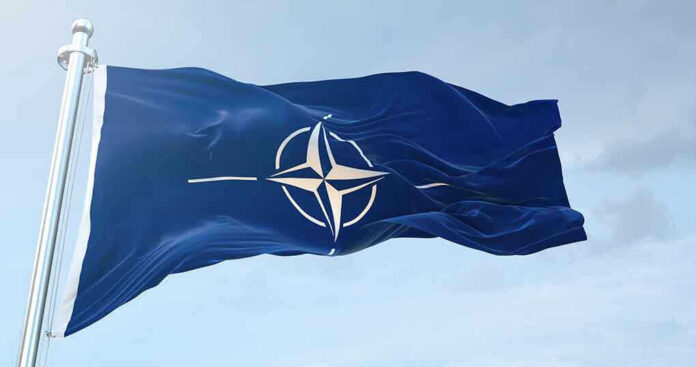
In the Middle East, Trump’s ability to broker a cease-fire was seen as a diplomatic breakthrough. Yet, the situation remains fragile, with the threat of violence always looming. This success is overshadowed by his unpredictable interactions with allies, such as pressuring NATO countries to increase defense spending, which has strained relationships. His approach fosters a sense of instability among global partners, making them question the reliability of American commitments.
Global Impact of Unpredictability
The global order is significantly affected by Trump’s unpredictable actions. Allies such as the European Union and NATO members are forced to reconsider their security strategies, often hedging against potential U.S. policy swings. The suspension and resumption of military aid to Ukraine, conditioned on political leverage, exemplifies the complex dynamics at play. Such actions disrupt traditional alliances, eroding trust and leading to a weakened multilateral framework.
Trump’s trade policies further exacerbate global tensions. Escalating trade wars with Canada and China, often triggered by minor diplomatic spats, highlight the transactional nature of his diplomacy. This unpredictability not only affects international relations but also has significant economic repercussions, disrupting global supply chains and impacting domestic industries and consumers.
Long-Term Consequences
The long-term implications of Trump’s foreign policy are profound. Trust in U.S. leadership as a global partner is eroding, with multilateral institutions like NATO, the EU, and the UN facing challenges to their effectiveness. European nations are considering greater strategic autonomy, potentially leading to an arms race as they seek to bolster their defense capabilities independently of the U.S. The global landscape is shifting, with lasting consequences for security, economic stability, and humanitarian outcomes.
While some argue that Trump’s pressure tactics have yielded tactical successes, the strategic costs are becoming increasingly apparent. The erosion of alliances and the weakening of multilateral frameworks may lead to a more fragmented and unstable world order. The potential for lasting damage to global trade relationships and economic stability remains a significant concern, as countries navigate the challenges posed by America’s unpredictable diplomacy.
Sources:
Carnegie Endowment for International Peace