When Iranian missiles struck Dubai, a Texas couple’s dream vacation transformed into a nightmare that exposed a troubling gap between what Americans expect from their government during a crisis and what they actually receive.
Story Snapshot
- San Antonio couple Karen and Bob Carifee became stranded in Dubai after witnessing Iranian retaliatory strikes on the UAE
- Their cruise was canceled and three consecutive flight bookings fell through, leaving them trapped in a war zone
- State Department initially provided no evacuation assistance, only instructions to “shelter in place”
- Nearly 3,000 American citizens across the Middle East sought help as the crisis unfolded
- Government response shifted dramatically within hours after public frustration mounted
A Vacation Turns Into a War Zone
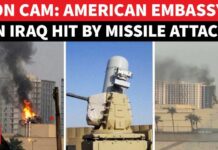
Karen and Bob Carifee started Saturday morning floating peacefully in a hot air balloon over Dubai’s desert landscape. They strolled through the Dubai Miracle Garden, marveling at elaborate floral displays under cloudless skies. Hours later, they watched missiles strike the Fairmont hotel across from their beach location on Palm Jumeirah. The contrast could not have been starker. Their scheduled departure on the Celestyal Journey cruise ship never happened because the vessel remained stuck in Doha, Qatar, unable to reach Dubai’s port amid the chaos of Iran’s retaliatory strikes against US military assets in the region.
The Evacuation That Wasn’t
The couple’s attempts to escape Dubai revealed a disturbing pattern. Sunday’s flight was canceled. Monday’s backup plan fell through. By Tuesday, Karen Carifee had reached her breaking point. She had registered with the State Department, followed every protocol, and received nothing but form letters telling her to stay put. When she called the State Department hotline Tuesday afternoon, a recorded message delivered the stark truth: “Please do not rely on the US government for assisted departure or evacuation at this time.” No evacuation points existed. Americans were on their own.
The Price of Being Unprepared
The Carifees extended their stay at the Waldorf Astoria, watching their credit card bills climb while uncertainty mounted. They were not alone in their predicament. The State Department eventually acknowledged fielding calls from nearly 3,000 American citizens scattered across the Middle East, all seeking the same clarity the Carifees desperately wanted. Karen’s frustration centered on a simple question: “I want to know an exit plan.” She was not demanding a military rescue or special treatment, just basic information about how and when she might safely return home to San Antonio.
When Other Countries Step Up
Karen noted that British authorities were actively evacuating their citizens, highlighting the contrast in crisis response capabilities. While the UK mobilized resources for its nationals, Americans received automated messages advising self-reliance. The comparison stung because it raised uncomfortable questions about preparedness and priorities. President Trump, when asked about chartering evacuation planes, offered only that “It all happened very quickly,” a response that provided neither comfort nor concrete action. The administration’s apparent caught-off-guard posture seemed at odds with the region’s well-known volatility and ongoing tensions between the US, Israel, and Iran.
A Sudden Shift in Government Response
Something changed Tuesday evening. Within hours of the Carifees going public with their story, the State Department’s messaging transformed dramatically. The hotline recording that had told callers not to rely on government help suddenly instructed them to stay on the line for assistance. An official statement announced the department was “facilitating charter flights from the United Arab Emirates, Saudi Arabia, and Jordan for American citizens.” The timing was conspicuous. Whether prompted by media attention, internal reassessment, or political pressure, the government’s capacity to respond apparently existed all along.
The Real Cost of Bureaucratic Delays
The Carifees booked a third flight for Thursday, though they expressed little confidence it would actually depart. They described feeling “mostly safe” as Dubai’s government worked to restore normalcy, with beaches reopening and Dubai Mall welcoming shoppers again. Yet the psychological toll of uncertainty, the financial burden of extended hotel stays, and the frustration of feeling abandoned by their own government created damage that transcends the immediate crisis. This experience will shape how these Americans and thousands of others view their government’s commitment to protecting citizens abroad. The question lingers: Why did assistance only materialize after public outcry made inaction politically untenable?
Texas couple stuck in Dubai after cruise was canceled says they can't get help from US: 'I want to know an exit plan'. Well, Trump said this happened so fast, he didn’t have time to prepare. Fact: this has been in the works for months. https://t.co/tMw7mUrnTI
— Karl Rosenfeld (@kneerecon) March 4, 2026
The broader implications extend beyond one couple’s ordeal. This incident exposes systemic weaknesses in consular crisis response during active military conflicts. When Americans register with embassies, follow travel advisories, and maintain communication with officials, they reasonably expect more than automated messages telling them they are on their own. The contrast between the initial “no help available” stance and the subsequent charter flight announcements suggests the infrastructure for evacuation existed but required public pressure to activate. That reality should concern every American who travels internationally, particularly to regions where US foreign policy creates potential for sudden escalation.
Sources:
Texas couple stuck in Dubai after cruise was canceled
American couple stuck in Dubai after cruise canceled can’t get help from US
Texas couple stuck in Dubai with cruise canceled and no US help
Texas couple struggles to leave Dubai