Eleven people were shot near Florida A&M University’s stadium on homecoming night, after a fight spilled into gunfire.
At a Glance
- Police confirmed a shooting near Bragg Memorial Stadium after the homecoming game.
- Eleven people suffered gunshot wounds; a twelfth person was hurt while fleeing, police said.
- Officers said a fight involving two or three people came before the gunfire.
- Florida A&M University issued a safety alert and urged people to avoid the area.
Police confirm location, timing, and scale
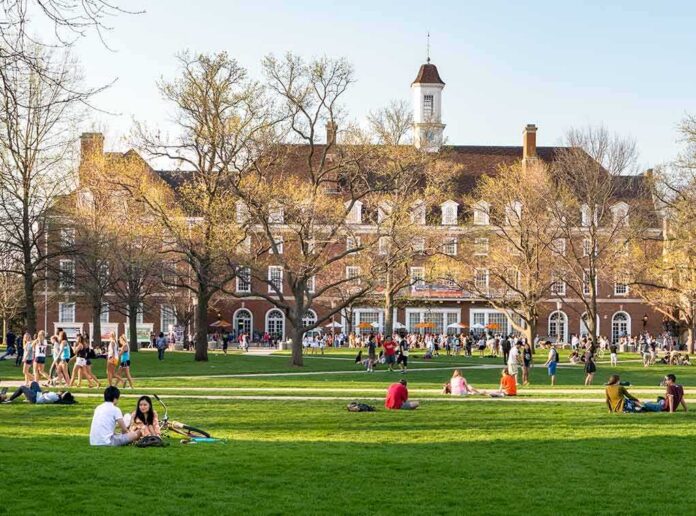
Tallahassee Police Department officers responded Saturday night to a shooting on Perry Street near Manatee Street, next to Bragg Memorial Stadium, shortly after Florida A&M University’s homecoming football game ended. The department first reported the scene and said the number of victims and injuries was unknown. Later, Chief Lawrence Revell said eleven people had gunshot wounds, and an additional person was injured while escaping the chaos, raising the total number of injured to twelve. That split matters for clear reporting and for the record.
Officers described the shooting as an isolated incident linked to a fight that broke out in the crowd. Police said an altercation involving two or three individuals led to the gunfire, which struck bystanders in the area. Investigators had not announced arrests or named suspects in the hours after the incident. Detectives worked the perimeter, pulled video, and asked witnesses to come forward. That sequence matches the standard playbook after large-scene shootings with many people present and multiple camera angles to review.
What FAMU did as the scene unfolded
Florida A&M University issued an immediate safety alert that warned of police activity near Bragg Memorial Stadium and told people nearby to avoid the area or shelter in place. The alert helped move crowds away from the streets while officers secured the scene and routed medics to victims. The location sits on public streets by the stadium, which can blur lines for bystanders. The school’s message focused on safety and did not assign blame. That is the right order of operations during an active response.
The timing, setting, and turnout made the risk curve steep. Homecoming weekends draw large crowds, extended tailgates, and street gatherings. The Gun Violence Archive’s common threshold for a “mass shooting” is four or more people shot, which this event far exceeds. Newsrooms and databases treat these terms differently, but the core point lands the same: many people were hit by gunfire near a campus, at a peak crowd moment. Clear facts beat hot takes in that situation.
Sorting victim counts and juvenile reports
Reports early on varied on how many victims were children, with some outlets citing six juveniles and others saying six children. Police had not issued a full age list at that time, so those labels should be read with care. What police did confirm with clarity was the eleven gunshot victims and the additional injury from fleeing, for a total of twelve injured people. That detail matters because mixing totals can distort public understanding and policy debates that follow.
At least 12 people were injured, including six children, in a shooting in Tallahassee, near the campus of Florida A&M University, officials said. https://t.co/B1alJaFffN
— ABC News (@ABC) October 25, 2026
Some coverage framed the scene as a homecoming party shooting. The physical location sat on Perry and Manatee Streets near the stadium, not inside a named university venue. Published reports tied the episode to the homecoming schedule and crowds, which is accurate on context. Whether it was an official school event or adjacent gathering remains a separate administrative question. For safety planning, though, the reality is the same: large events expand the security footprint beyond campus gates.
Security lessons without the spin
Police said a fight came first, then shots. That is a pattern law enforcement sees around crowded festivals and school events. Strong, visible patrols, well-lit walking routes, swift breakups of brewing disputes, and camera overlap at choke points reduce risk. Coordinated plans between city police and campus security help, too. Those steps honor a basic conservative value—protect families and kids first, then argue policy later. Communities can rally behind that without rancor or blame-shifting.
What comes next in the investigation
Detectives will press for names, trace weapons, and line up video time stamps. Ballistics will show if more than one gun fired. Witness accounts will anchor the timeline. Hospitals and emergency responders will finalize the injury list and ages. Chief Revell’s early numbers set the baseline: eleven shot, plus one injured while fleeing. The most useful thing citizens can do now is share verified tips with police and resist spreading rumors that muddy the work.
Sources:
nypost.com, news18.com, tallahassee.com, dnyuz.com, wcvb.com, hbcugameday.com
© partiallypolitics.com 2026. All rights reserved.