California’s radical new bill would strip ICE agents of essential anonymity, risking officer safety and igniting a battle over federal authority.
Story Snapshot
- California passes first-ever state law banning masks for ICE and police, sparking fierce opposition from law enforcement.
- Supporters claim it increases transparency, while critics warn it endangers officers and may violate constitutional bounds.
- Governor Newsom faces mounting pressure to veto the measure before the looming October deadline.
- The law could set a precedent in the national fight over state power to control federal enforcement tactics.
California’s Mask Ban for ICE Agents Triggers Constitutional Clash
The California Legislature has approved the No Secret Police Act (SB 627), aiming to ban local and federal law enforcement—including ICE agents—from wearing face coverings during most operations. This unprecedented move arrives after a series of highly publicized immigration sweeps in Los Angeles, where masked ICE agents triggered both public concern and outrage among advocacy groups. The bill’s limited exceptions—undercover work, riot response, or medical reasons—do little to address critics’ fears about exposing officers’ identities during dangerous assignments.
Law enforcement unions, Republican lawmakers, and the San Bernardino County Sheriff have blasted the measure as reckless, calling it a direct threat to officer safety and operational effectiveness. They argue that forcing agents to reveal their faces during enforcement actions, especially in high-risk immigration operations, increases the likelihood of retaliation against officers and their families. Opponents also warn that the bill undermines federal authority, with the state seeking to dictate how federal agents conduct their duties within California’s borders.
Supporters Claim Accountability; Critics Warn of Overreach
Proponents, led by Senator Scott Wiener and progressive advocacy groups, frame the bill as a necessary step for transparency and public trust, particularly in immigrant communities that have long distrusted law enforcement. They argue that visible identification of officers prevents abuses of power and aligns with broader police reform efforts. Supporters insist that the law is constitutional, citing legal scholars who say states have the right to regulate practices within their territory—even for federal agents—though court challenges are anticipated.
The opposition maintains that the bill is largely symbolic, targeting federal immigration enforcement as part of California’s ongoing resistance to national immigration priorities. Republican lawmakers point to the state’s history of sanctuary policies and warn that this escalation will further erode cooperation between federal and local authorities. The bill’s passage has deepened the partisan divide, with Democrats and immigrant-rights groups celebrating a perceived victory for civil liberties, while conservatives see an attack on law enforcement and the rule of law.
Broader Implications for Law Enforcement and State-Federal Relations
If signed by Governor Newsom, SB 627 would immediately upend law enforcement protocols across California, forcing agencies to adapt to new identification rules and potentially exposing officers to greater personal risk. Legal experts anticipate swift court challenges, questioning whether California can legally impose such restrictions on federal agents. The outcome could redefine the limits of state authority over federal operations and inspire similar legislation in other progressive states.
The broader impact may extend beyond California, as law enforcement agencies nationwide watch for precedent-setting rulings. Critics argue that measures like SB 627 undermine the ability of officers to conduct sensitive operations safely, threatening not only individual safety but also the integrity of immigration enforcement. Meanwhile, supporters hope the law will become a model for increased accountability and restraint in policing practices across the country.
Governor Newsom Holds the Deciding Pen
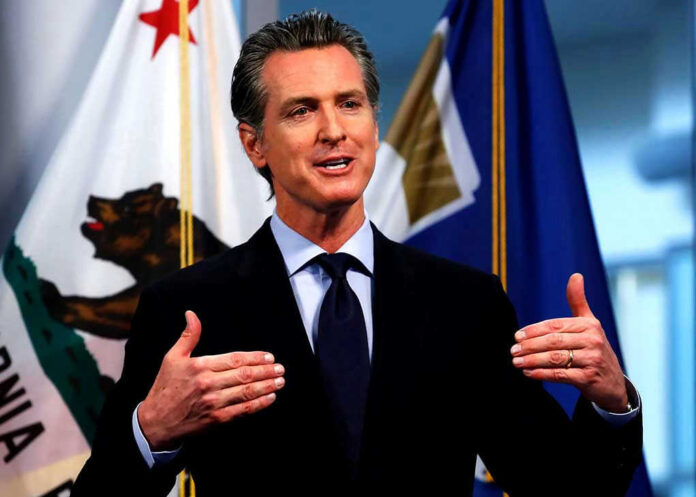
With the bill now on his desk, Governor Newsom faces a critical decision amid intense lobbying from both sides. Law enforcement groups, constitutional experts, and advocacy organizations have all issued statements as the October signing deadline approaches. Should Newsom sign the bill, it would take effect immediately, likely triggering a wave of legal and political battles that could shape the future of law enforcement transparency and federal-state relations in America. The nation will be watching whether California’s push for so-called “accountability” becomes a template for further encroachment on federal authority—or a cautionary tale of overreach that puts officer safety and public order at risk.
Sources:
California Legislature passes bill banning masks for police and ICE agents in immigration sweeps
Landmark bill to ban ‘extreme masking’ by local, federal law enforcement heads to governor