
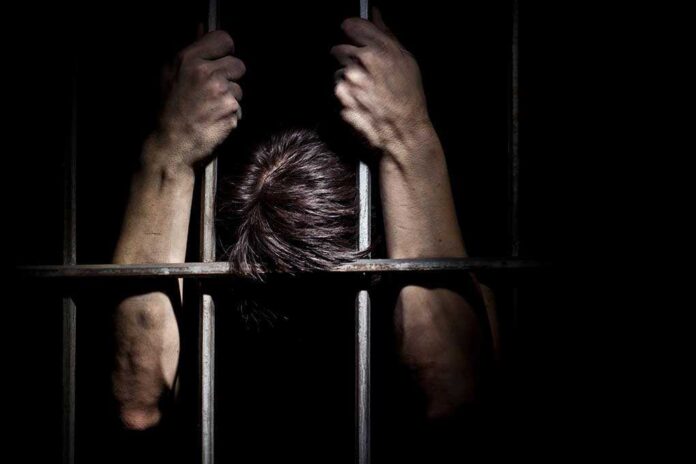
A riot that left multiple inmates dead has shattered the illusion that violence behind bars is rare—exposing a relentless cycle of neglect, overcrowding, and failed oversight that may change the future of American corrections.
Story Snapshot
- Multiple inmates killed and injured in a rapid, chaotic prison riot
- Systemic failures in management and security exposed on a national stage
- Mounting calls for urgent reform and independent investigations
- Divided public: security versus humane treatment at the heart of the debate
Deadly Events Unfold as Old Warnings Go Unheeded
Correctional officers reported the first signs of trouble in a single unit before sunrise. Within an hour, violence erupted across multiple blocks, overwhelming staff and forcing tactical law enforcement to storm the facility. By the time order returned, several inmates were dead, dozens injured, and the prison’s reputation as a pressure cooker finally caught national attention. The rapid escalation, fueled by longstanding rivalries and unchecked grievances, left scars that will not heal soon.
Investigators and advocacy groups quickly highlighted the facility’s notorious history: chronic overcrowding, persistent staff shortages, and a pattern of ignored complaints about health, safety, and basic dignity. These were not new problems. Prior reports had warned of “inevitable disaster” if the prison’s population and conditions did not improve. Those warnings now echo with tragic clarity in the aftermath of the riot.
Systemic Failures and the Price of Inaction
Correctional experts trace the roots of such deadly uprisings to a toxic blend of overcrowding and neglect. When cells designed for one house two or three, and when officers are stretched thin by budget cuts, tensions multiply. Gangs and informal inmate leaders step into the vacuum, exerting control and settling scores where staff cannot. The riot’s high casualty count, coupled with delays in staff response, has reignited debate about the true cost of penny-pinching corrections budgets.
Historical parallels abound: from Attica in 1971 to Lee Correctional in 2018, the pattern is familiar. Warnings go unheeded until blood is spilled. Each time, the aftermath brings promises—of reform, of better oversight, of investment in rehabilitation and safety. Yet, as families of victims mourn and communities demand accountability, the same systemic failures threaten to repeat. The current investigation may reveal more about missed opportunities and ignored alarms than any single act of violence.
Stakeholders Clash as Trust Erodes
In the wake of tragedy, the prison’s administration faces intense scrutiny. Staff have been placed on administrative leave, and calls for resignations grow louder. Official statements express regret and pledge cooperation, but advocacy organizations demand more: independent inquiries, transparency, and lasting reforms. Families of inmates, desperate for answers, find themselves navigating a system as opaque and unyielding as the prison walls themselves.
Government officials promise accountability and swift review of prison conditions. Yet, the tug-of-war between security and humane treatment reignites. Some voices demand tougher controls and longer lockdowns, while others insist on a reckoning with the root causes—overcrowding, poor healthcare, and the dehumanization of incarceration. The future of criminal justice reform hangs in the balance as these debates spill into the public square.
Aftershocks: Reform or Repeat?
The riot’s consequences will reverberate for years. In the short term, heightened security and lockdowns disrupt daily life for inmates and staff alike. Trauma lingers in the minds of survivors. In the longer term, policymakers face pressure to enact substantive changes: increased oversight, legal scrutiny, and possible new legislation aimed at improving conditions and preventing further bloodshed.
Correctional officers’ unions highlight the dangers of chronic understaffing, while criminologists and human rights groups point to neglect and the urgent need for alternatives to mass incarceration. Peer-reviewed studies consistently link these environmental factors to increased violence. The public, meanwhile, remains divided—some fearing for safety, others pushing for a more humane system that values rehabilitation and accountability in equal measure.
Sources:
Rioting at Ecuadorian prison leaves 31 inmates dead and dozens injured