Hurricane Melissa’s unprecedented speed and destructive force have left experts and residents alike anxious—what will happen when a storm outruns even the best-laid plans?
Story Overview
- Melissa’s rapid intensification and acceleration have upended traditional hurricane response strategies.
- Widespread damage in Jamaica, Haiti, Dominican Republic, Cuba, and the Bahamas is complicating ongoing recovery efforts.
- Bermuda faces imminent hurricane-force winds and flooding, prompting urgent preparation.
- Experts warn that Melissa’s swift approach could escalate short-term impacts while compressing response windows.
Melissa’s Path: Speed, Power, and Uncertainty
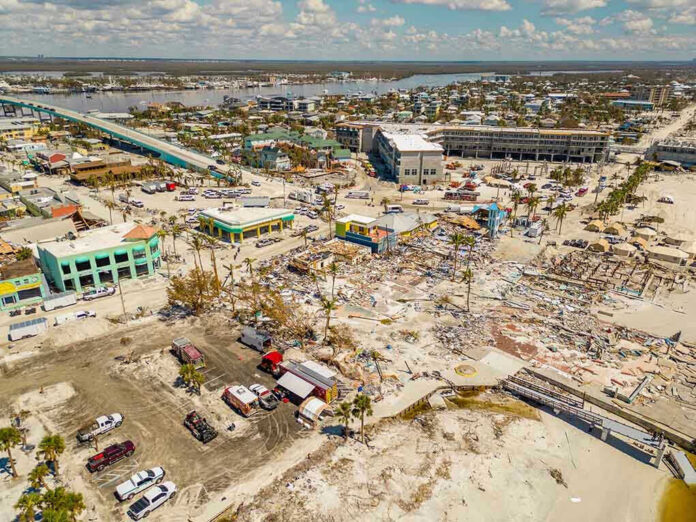
Hurricane Melissa’s formation in late October 2025 marked the beginning of a relentless assault on the Caribbean. Within days, the storm intensified from a tropical system to a formidable Category 2 hurricane, propelled by unusually warm Atlantic waters and atmospheric conditions ripe for disaster. The eye passed near Jamaica, Haiti, and the Dominican Republic, each reporting catastrophic wind damage and flooding before Cuba and the Bahamas suffered similar devastation. Melissa’s forward speed doubled in just 24 hours, transforming the typical days-long threat into a race against time for communities still reeling from past hurricanes.
Emergency officials in Bermuda sounded alarms as Melissa barreled toward the island, with the National Hurricane Center issuing hurricane warnings and urging residents to complete preparations before the storm’s arrival. Meteorologists noted that while the period of hurricane-force winds might be shorter due to Melissa’s acceleration, the compressed timeline could heighten risks for infrastructure and safety. Disaster management teams scrambled to deploy resources, facing the logistical challenge of a storm that refused to slow down.
Caribbean Recovery Hampered by Repeated Destruction
For the Caribbean nations battered by Melissa, the storm’s impact was magnified by pre-existing vulnerabilities. Many communities in Jamaica, Haiti, and the Bahamas were still repairing damage from previous hurricanes, leaving them exposed to further losses. Flooded roads, downed power lines, and washed-out bridges complicated rescue and relief efforts. Local governments issued evacuation orders and mobilized emergency shelters, but widespread destruction stretched resources thin. International aid agencies prepared for possible deployment, anticipating calls for assistance as the full extent of the storm’s impact became clear.
Economic consequences loomed large, with tourism and agriculture—cornerstones of Caribbean economies—facing major disruptions. Damage assessments began almost as soon as Melissa passed, but the prospect of a prolonged recovery was already evident. Insurance companies braced for claims, while industry leaders renewed calls for investment in climate resilience and disaster preparedness. The lessons of hurricanes Dorian and Fiona lingered, but Melissa’s rapid intensification introduced new urgency to the debate.
Bermuda Prepares for Impact: Lessons and Limitations
Bermuda’s government and emergency services moved swiftly, coordinating with the National Hurricane Center and local meteorologists to issue guidance and mobilize protective measures. Residents boarded windows, stocked supplies, and braced for the night ahead, aware that Melissa’s approach would be sudden and potentially severe. The island’s experience with storms shaped its response, but experts cautioned that Melissa’s speed created unique challenges. The compressed window for preparation left little margin for error, amplifying the stakes for both public safety and infrastructure resilience.
Industry experts pointed to the importance of real-time updates and clear communication, crediting FOX Weather and the National Hurricane Center for providing essential forecasts. Meteorologists highlighted Melissa’s unusual trajectory and speed, noting that while the storm might weaken as it moved north, its legacy would be measured in the damage left behind. Climate scientists underscored the role of warming oceans in supporting rapid hurricane intensification, suggesting that Melissa’s story may foreshadow future storms in a changing Atlantic.
Sources:
Haiti, Jamaica and Cuba pick up the pieces after Melissa’s destruction