Texas police drew a hard line after the ICE shooting, and the street learned it fast.
Story Snapshot
- Officials separated protest control from the shooting probe; city police did not fire shots.
- Troopers and police formed lines and used chemical agents to push back the crowd.
- Reporters saw bottles and rocks thrown; streets were blocked for hours.
- Officials launched a multi-agency investigation while managing public safety at the scene.
What kicked this off and who was on scene
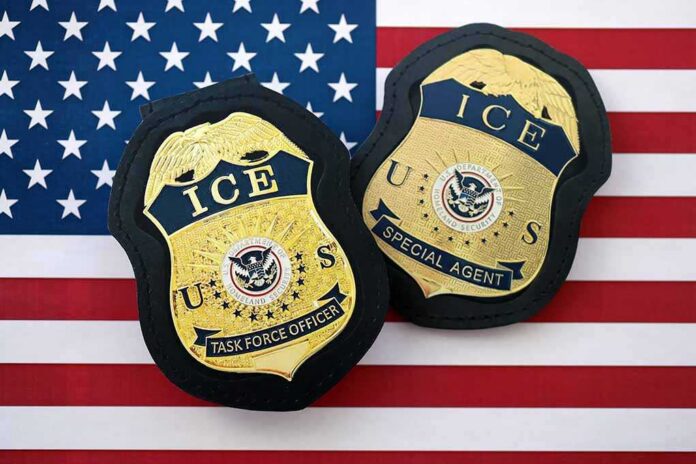
City officials said a federal immigration officer shot and wounded a man in Austin. Crowds gathered near the site within hours and stayed into the evening. Austin police leadership said city officers were not part of the operation or the shooting. That clear split matters. It meant one set of officers handled the crime scene and the probe while another focused on traffic, crowd control, and safety on a busy corridor.
Texas Department of Public Safety troopers arrived after the shooting. According to reporting, they helped with medical aid, traffic control, and scene security as the crowd grew. The state also coordinated with Austin police, the Texas Rangers, and federal investigators to sort facts from rumor. That structure kept the focus on stabilizing the area while a separate process stood up to review what happened in the shooting itself.
How police contained the protest once lines were crossed
Officers taped off areas and set lines. As the crowd swelled, some people moved into the roadway and blocked traffic. Reporters described a “large law enforcement presence” and said troopers put on gas masks. When protesters crossed toward the restricted scene and street blockage persisted, officers used chemical agents and pepper-ball-style rounds to push people back and reopen the road. The approach showed staged escalation rather than a rush to mass arrests.
Accounts from the ground noted more than chants. Reporters cited bottles and even rocks thrown at officers. While exact arrest totals were not confirmed in those first reports, the mix of a taped-off investigation site, a growing crowd, and objects thrown created a predictable public-safety risk. In that setting, using time, formations, and less-lethal tools to restore space is consistent with common crowd-control playbooks used nationwide.
What the numbers and timelines actually support
Coverage put the crowd at dozens to roughly a hundred people over several hours. That is big enough to snarl a major intersection, draw bystanders, and attract agitators who hunt for chaos. Austin’s mayor acknowledged the fear sparked by the shooting and asked for “clear, third-party eyes” on the investigation. That message set a useful tone: protect the right to protest, keep the streets safe, and probe the trigger event with independent oversight.
ICE Agent Shoots Venezuelan Man During Austin Traffic Stop
• ICE agent shot and wounded a man during a traffic stop in Austin, Texas.
• Victim identified as 28-year-old Venezuelan Wilber Rafael Garcés Pérez; shot in torso, serious but stable.
• Anti-ICE protesters gathered… pic.twitter.com/WAkVBuWIUc— The Unbiased Update (@unbiased_update) September 21, 2026
Details still missing in the public record will matter later. The available reports did not name the on-scene commander, list precise warnings, or supply body-camera footage. They did not publish arrest counts, injury logs, or use-of-force summaries. Those gaps are normal in the first 24 hours, but they leave room for spin. When agencies release video and reports, the sequence of warnings, line breaches, and force decisions can be checked against policy.
Claims of excessive force and a common-sense test
Organizers called the response brutal and said officers charged on bikes and fired pepper pellets. A city council member labeled the pepper-ball use excessive. Those claims deserve a fair hearing, yet they do not erase the documented facts that lines were crossed, streets were blocked, and objects were thrown. American conservative values keep two ideas together: protect peaceful speech and assembly, and enforce laws when conduct endangers others or blocks vital public ways.
The tightrope is familiar to every chief in the country. Hold the scene so medics and investigators can work. Give clear dispersal orders. Use the minimum force that restores order. In Austin, reporters saw graduated steps, masks donned before agents deployed, and lines holding as the crowd pressed forward. That pattern fits a calibrated response. If future footage shows a different picture, adjust the judgment. Until then, common sense says cops did their job while the investigators do theirs.
Bottom line for Texans watching at home
Protest is a right; blocking roads and throwing objects is not. Texas troopers and Austin police managed a hot scene born from a federal action they did not control. They split duties, secured the area, and used less-lethal tools after the crowd pushed past the tape and into traffic. Demand the videos and reports. Expect accountability for any misconduct. Also expect firm enforcement when the street turns risky. That balance keeps both liberty and order intact.
Sources:
saudigazette.com.sa, abc11.com, ijr.com, cnn.com, mkfm.com, wtop.com, cbsaustin.com
© partiallypolitics.com 2026. All rights reserved.