Seventy to eighty rifle rounds tore through a parked car at a Louisiana gas pump, and the woman who died inside was almost certainly not the person the gunmen came to kill.
Story Snapshot
- Masked shooters stepped out of a white car and sprayed 70–80 rounds at a gray sedan at a Hammond Chevron, killing 50‑year‑old Patricia Shepard.[2]
- Police say Shepard was an innocent bystander, likely mistaken for someone else the gunmen were targeting.[3]
- Investigators say the shooters’ car was stolen in a Mississippi carjacking and that this was not a random attack.[1]
- The case exposes how repeat criminals, stolen cars, and rifle‑style weapons turn everyday errands into combat zones.[1][3]
A routine gas stop turns into a military-style ambush
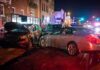
Hammond, Louisiana, was asleep when the shooters pulled into the Chevron on Highway 190 just after one in the morning, but the security cameras were wide awake.[2] Video described by local stations shows a gray sedan parked at a pump and a white sedan pulling in nearby, then at least two people climbing out of the white car with rifle-style weapons.[1][2] They do not argue, they do not rob; they simply raise their guns and open fire on the gray car.[1][2]
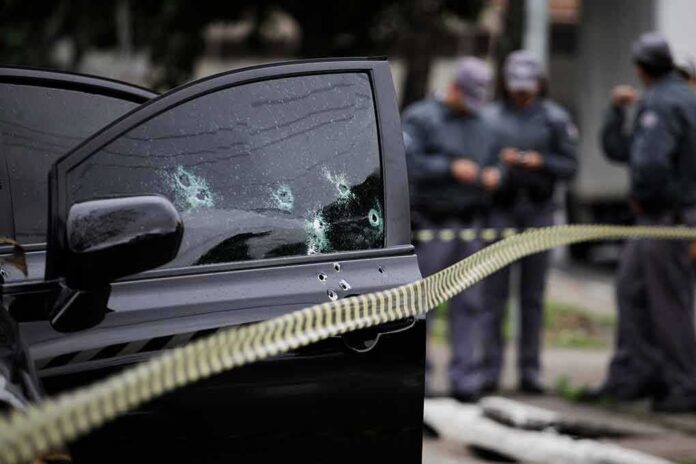
Reporters quoting Hammond police say those weapons were “AR-style” rifles or pistols, the kind designed to spit bullets fast and flat.[1][2] Investigators estimate between 70 and 80 shots were fired into the sedan where 50‑year‑old Patricia Shepard sat.[1] Shell casings reportedly littered the pavement. This was not a warning burst or a panicked overreaction; it was a sustained attack on a target that could not shoot back and had nowhere to go.[1]
The “innocent victim” and the unseen target
Police quickly told reporters they do not think Shepard was the intended target.[3] She was simply in the gray car, at the gas pump, living an everyday moment when the gunmen arrived. Officials described her as an “innocent woman” and “wrong person,” terms that signal a focused vendetta gone horribly sideways, not a random mass shooting.[3] From a common-sense perspective, the way the suspects beeline to that specific car and unload supports a targeted-attack theory.[2][3]
What police have not released yet is the specific why or who behind that target.[3] The investigative files, affidavits, and witness statements that would name the person the shooters allegedly hunted are not in public view. Reporters rely on police briefings and partial video descriptions, which means the public hears a confident conclusion—wrong person, not random—without seeing the evidentiary trail. That lag between narrative and documentation fuels both trust and skepticism at the same time.
Stolen cars, interstate crime, and a gas pump war zone
Hammond police say the white sedan the suspects used was stolen in a carjacking across the state line in Mississippi.[1] That detail matters more than it sounds. A stolen vehicle with out-of-area plates lets criminals move, stalk, and flee while staying one step ahead of local patrol units and license-plate readers. For ordinary citizens filling up at a pump, it means the car next to them might be a rolling crime scene long before the first shot is fired.[1]
Local reports also say the suspects remained at large in the immediate aftermath, with investigators circulating still images from video in hopes of public leads.[2] Viewers see blurred figures in hoodies, masked faces, and the silhouette of long guns. That imagery has become depressingly familiar in American cities: stolen car, masked gunmen, rifle-style weapons, and a victim who never had a chance. Conservatives look at this pattern and see not an equipment problem, but a culture and justice-system problem that tolerates escalating lawlessness until someone like Shepard pays the final price.
Police narratives, media repetition, and public trust
Coverage of the Hammond case fits a broader pattern where the police narrative arrives before the paperwork, and television stations repeat phrases like “targeted attack” and “innocent bystander” as if they were settled fact.[1][3] To be fair, the on-scene evidence—straight-line approach to a specific car, no words exchanged, dozens of rounds fired—does look more like a botched hit than random mayhem.[2][3] At the same time, the absence of a disclosed motive leaves the public reading tea leaves rather than evidence.
Patricia Shepard, 50,Louisiana, Death, Obituary: Hammond Police Identify the Woman Killed at a Gas Station after Suspects Fire up to 80 Shots into Car On Highway 190 Chevron Shootinghttps://t.co/HvPPSJ7yak
— Case (@Case_Takz) June 5, 2026
That tension matters for more than academic reasons. When authorities insist an attack was “not random,” they are trying to reassure citizens that they were not equally at risk. Yet the facts in Hammond undercut that comfort. Shepard did nothing wrong except be where violent men decided to settle a score. From a common-sense, law-and-order standpoint, that is the definition of random for everyone who obeys the law: you can be executed at a gas pump because someone else’s enemies cannot shoot straight.
Sources:
[1] YouTube – Shooters fire more than 70 shots at car, killing ‘innocent victim,’ …
[2] YouTube – Masked gunmen unload on car, killing a woman inside
[3] YouTube – Woman killed in shooting at Hammond gas station; OIG …
© partiallypolitics.com 2026. All rights reserved.