
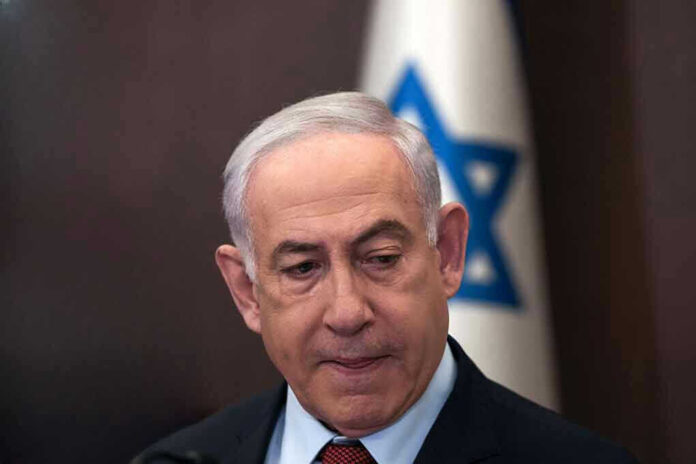
Benjamin Netanyahu’s stunning reversal from defiant defendant to clemency seeker exposes the desperation of a once-untouchable political survivor who finally realizes his legal walls are closing in.
Story Highlights
- Netanyahu formally requested a presidential pardon on November 30, 2025, reversing his previous categorical refusal to seek clemency
- The 111-page petition seeks to “wipe the slate clean” across multiple corruption cases involving bribery, fraud, and breach of trust charges
- President Herzog acknowledged the “extraordinary request” with “significant implications” and promised careful consideration
- Coalition allies in the Knesset view the pardon as their top priority, demonstrating Netanyahu’s continued political support
The Dramatic Policy Reversal That Nobody Saw Coming
Netanyahu’s 111-page pardon petition represents more than legal maneuvering—it signals the complete abandonment of a strategy built on defiance and denial. For years, the Israeli Prime Minister branded his corruption trials as “ridiculous” and publicly declared he would never admit guilt or seek clemency. Yet on November 30, 2025, his signed letter landed on President Isaac Herzog’s desk, marking one of the most dramatic political reversals in Israeli history.
The petition carefully avoids a complete admission of guilt while simultaneously acknowledging that Netanyahu needs to eliminate his legal burdens. This delicate balance reveals a man trying to preserve his dignity while escaping the consequences of his alleged actions. The daily court appearances have become an unbearable drain on his time and political capital, forcing him to choose between legal vindication and political survival.
When Political Calculation Trumps Personal Pride
Netanyahu’s coalition allies in the Knesset immediately declared the pardon their top priority, demonstrating that his political machine remains intact despite his legal troubles. This support network understands that their leader’s legal problems threaten their collective power structure. The calculation is simple: a pardoned Netanyahu can focus entirely on governance and coalition management, while a defendant Netanyahu remains distracted and vulnerable.
President Herzog’s office responded with measured language, acknowledging the request’s extraordinary nature and promising to consider all relevant opinions before making a decision. This careful phrasing suggests Herzog recognizes the constitutional gravity of potentially pardoning a sitting prime minister facing serious corruption charges. The decision will establish precedent for how Israeli presidents balance executive clemency against judicial independence.
The High-Stakes Gamble of Executive Clemency
The pardon request encompasses more than just the primary corruption trial, suggesting Netanyahu seeks comprehensive legal rehabilitation across all his pending cases. If granted, the clemency would provide what analysts describe as Netanyahu’s “legal and political rebirth,” freeing him from courtroom obligations and allowing him to leverage his political position without legal constraints.
However, this strategy carries enormous risks. A denied pardon would expose Netanyahu as a leader who admitted he was “running out of options” while simultaneously strengthening the perception that he sought to circumvent justice. The rejection would likely intensify public scrutiny and potentially weaken his standing among coalition partners who invested political capital supporting his clemency request.
Constitutional Crisis or Political Pragmatism
The broader implications extend beyond Netanyahu’s personal legal troubles to fundamental questions about Israeli governance. The case tests whether executive clemency can override judicial processes when sitting officials face serious corruption charges. Critics argue that pardoning Netanyahu would establish a dangerous precedent allowing high-ranking officials to escape accountability through political connections rather than legal vindication.
Supporters counter that the pardon would serve Israeli national interests by allowing the prime minister to govern without the distraction of ongoing legal proceedings. They frame the request as necessary for effective leadership during challenging times, rather than an attempt to escape justice. This perspective reflects the complex relationship between individual accountability and institutional stability in democratic societies.
Sources:
Netanyahu asks Herzog for pardon amid ongoing corruption trial