
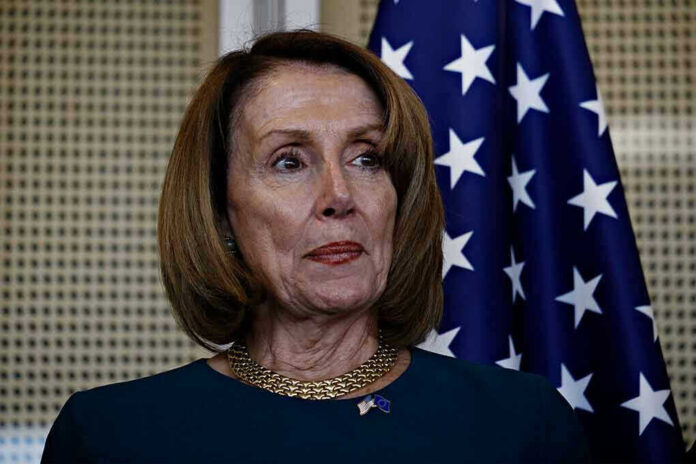
Donald Trump’s blunt assessment of Nancy Pelosi’s retirement as the departure of an “evil woman” captures the raw intensity of a political rivalry that has defined Washington’s most contentious battles for years.
Story Snapshot
- Trump celebrates Pelosi’s retirement with harsh “evil woman” characterization
- Comment reflects years of bitter political warfare between the two leaders
- Pelosi’s departure marks end of era for House Democratic leadership
- Trump’s reaction demonstrates his unfiltered approach to political opponents
A Political Rivalry Reaches Its Final Chapter
Donald Trump’s reaction to Nancy Pelosi’s retirement announcement strips away any pretense of diplomatic courtesy. His stark declaration that he’s “glad she’s retiring” followed by the “evil woman” label represents the culmination of one of Washington’s most acrimonious relationships. This isn’t political theater or calculated messaging—it’s Trump delivering his unvarnished assessment of a woman who became his chief congressional antagonist during his presidency.
The Battle Scars of Legislative Warfare
Trump and Pelosi’s confrontations became legendary during his administration, reaching peak intensity during two impeachment proceedings. Pelosi orchestrated both impeachment efforts against Trump, making her the face of Democratic resistance to his presidency. Their public disputes ranged from heated White House meetings to Pelosi’s dramatic State of the Union speech tear-up in 2020. Each clash reinforced their roles as representing irreconcilable visions of American governance.
Why Trump’s Assessment Resonates with His Base
Trump’s harsh characterization reflects how many conservatives view Pelosi’s legislative tactics and political strategies. Her role in blocking Republican initiatives, her management of impeachment proceedings, and her approach to bipartisan negotiations earned her fierce opposition from the right. Trump’s willingness to call her “evil” rather than simply “wrong” or “misguided” signals his belief that her actions transcended normal political disagreement and entered territory of fundamental moral opposition.
The timing of Trump’s comments, delivered without hesitation or qualification, demonstrates his consistent refusal to soften his positions even when opponents exit the stage. This approach distinguishes him from traditional politicians who typically offer gracious remarks about retiring rivals, regardless of past conflicts.
The End of an Era in Democratic Leadership
Pelosi’s retirement closes a significant chapter in House Democratic leadership, removing Trump’s primary legislative adversary from active duty. Her departure eliminates a figure who successfully united Democrats in opposition to Trump’s agenda while maintaining party discipline during crucial votes. Trump’s celebration of this development suggests he views her retirement as removing a particularly effective opponent rather than simply another political rival.
The “evil woman” characterization reveals Trump’s assessment that Pelosi represented something more threatening than typical political opposition. This perspective aligns with conservative criticism of her role in what they viewed as weaponizing impeachment proceedings and using legislative procedures to undermine presidential authority through unprecedented means.
Sources:
Trump calls Nancy Pelosi ‘evil woman’ after she announces retirement