When the leader of the free world takes time during an international economic forum to mock another world leader’s eyewear, you know diplomacy has entered dangerous new territory.
Quick Take
- Trump publicly mocked Macron’s dark aviator sunglasses worn indoors at Davos on January 21, 2026, asking “What the hell happened?” despite Macron’s office explaining a burst blood vessel caused the eye injury
- The personal jab followed Trump’s controversial leak of private text messages from Macron and NATO Secretary Rutte, revealing behind-the-scenes diplomatic flattery that contradicted their public resistance to his policies
- Tensions escalated over Trump’s Greenland ambitions, threatened 200% tariffs on French wine and champagne, and a controversial Gaza “Board of Peace” proposal with a $1 billion fee and Putin invitation
- The incident exposes a fundamental shift in U.S.-European relations where personal ridicule and leaked diplomacy replace traditional alliance-building, weakening NATO cohesion at a critical geopolitical moment
When Mockery Becomes Statecraft
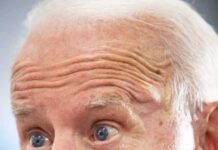
On January 20, French President Emmanuel Macron delivered a defiant speech at the World Economic Forum in Davos, Switzerland, wearing dark reflective aviator sunglasses indoors. His message was pointed: Europe would not bow to American bullying or accept Trump’s tariff threats on French wine and champagne. Macron’s office later explained the sunglasses covered a burst blood vessel in his eye, a medical detail that should have ended the matter. It didn’t. The next morning, Trump took the stage at the same forum and turned the medical explanation into a punchline, asking rhetorically about those “beautiful sunglasses” and wondering aloud what had happened. The crowd laughed. The moment went viral. What started as a health issue became a symbol of something far more troubling: the erosion of diplomatic decorum between historic allies.
The sunglasses mockery alone might have been dismissed as crude humor from a provocative president. But context transforms it into something more sinister. Hours before his Davos speech, Trump had posted private text messages from both Macron and NATO Secretary General Mark Rutte on his Truth Social platform. These weren’t casual exchanges. They were diplomatic overtures where Macron addressed Trump as “my friend” and offered to host a dinner in Paris after Davos. Rutte sought compromise on Greenland. Trump’s decision to publish these private communications publicly served a calculated purpose: to expose what he viewed as weakness, to demonstrate that world leaders were flattering him behind closed doors while publicly resisting his agenda. The leaked texts revealed the gap between private diplomacy and public posturing, but Trump weaponized that revelation to humiliate rather than to build.
The Tariff Ultimatum and Arctic Ambitions
Trump’s Davos speech wasn’t merely personal theater. He outlined concrete demands wrapped in threats. He promised 200% tariffs on French wines and champagnes if France didn’t participate in his Gaza “Board of Peace,” a proposal that includes a $1 billion fee and, remarkably, an invitation for Vladimir Putin to join. This isn’t negotiation in any traditional sense. It’s coercion dressed in economic language. For French wine exporters, already facing tariff pressures, the threat translates to potential losses exceeding $3 billion annually. For Macron, it represents an impossible choice: capitulate to American demands on Middle East policy or watch a cornerstone of French commerce collapse.
Equally troubling is Trump’s continued push to acquire Greenland, a Danish territory with 57,000 residents and vast mineral resources. While Trump insisted at Davos that he wouldn’t use force, his persistent rhetoric about Greenland’s “strategic importance” and his leaked conversations with Rutte suggest the pressure continues behind closed doors. Denmark and Greenland have offered alternative arrangements—expanded American military basing, resource partnerships—but Trump appears unmoved. The message is clear: he wants sovereignty, not cooperation. This approach fundamentally alters the NATO alliance structure, treating member states as territories to be acquired rather than partners to be consulted.
The Fracturing of the Western Alliance
Macron’s response to Trump’s mockery and threats has been measured but firm. His January 20 speech explicitly called for Europe to resist bullies and maintain sovereignty. His office dignified the sunglasses question with a medical explanation rather than engaging in personal attacks. Yet the damage to alliance cohesion is already visible. When the American president publicly humiliates the French president while simultaneously threatening economic retaliation, the traditional framework of Western partnership becomes untenable. NATO leaders have warned privately that Trump’s Greenland push “could upend the alliance.” These aren’t idle concerns from bureaucrats. They reflect genuine anxiety that American unilateralism could trigger a European response that weakens collective defense at a moment when global tensions are rising.
The leaked texts reveal another dimension of this fracture. Macron’s private flattery—his “my friend” language and dinner invitations—exposes the desperation of European leaders to maintain American goodwill through personal charm. Yet Trump’s decision to publicize these messages strips away the diplomatic fiction that allows allies to work together despite disagreements. It’s a form of diplomatic humiliation that serves no strategic purpose beyond asserting dominance. For leaders like Macron facing domestic political challenges, being exposed as someone who privately courts Trump while publicly resisting him creates a credibility crisis at home.
What Davos Reveals About American Power
The Davos incident matters because it exposes how American power operates in Trump’s second term. It’s not primarily about building coalitions or negotiating mutual interests. It’s about demonstrating dominance through public humiliation, economic coercion, and the strategic leak of private communications. This approach may appeal to Trump’s political base, energizing supporters who view traditional diplomacy as weakness. But it carries profound costs. Allies become resentful. Trust erodes. Adversaries recognize opportunity. When the world’s leading democracy conducts diplomacy through mockery and threats rather than engagement and negotiation, the entire international order becomes less stable.
Macron’s sunglasses—whether covering a medical condition or a fashion choice—became a symbol of something larger: the struggle between American unilateralism and European autonomy. Trump’s mockery wasn’t really about eyewear. It was about asserting that in his world, leaders who resist American demands will be publicly ridiculed. It was a warning wrapped in a joke. And that warning, delivered on the world stage at Davos, signals that the post-Cold War Western alliance has entered a fundamentally new phase, one where traditional bonds of partnership matter far less than the exercise of raw power.
Sources:
The Star: Trump mocks Macron’s sunglasses in Davos speech, January 21, 2026
News18: Trump mocks Macron over sunglasses at Davos, January 21, 2026