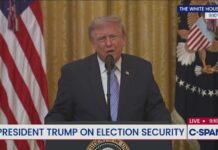
Donald Trump’s latest legal threat against the BBC has captivated audiences worldwide, raising questions about media freedom, defamation, and transatlantic relations.
Story Snapshot
- Trump demands an apology from the BBC, threatening a $1 billion lawsuit.
- The dispute centers on alleged defamatory content aired by the BBC.
- The case highlights international media accountability and freedom of the press.
- Trump’s history of litigation with media outlets adds complexity to the situation.
Trump’s Legal Threat Against the BBC
Donald Trump has publicly demanded an apology from the BBC, claiming that the broadcaster aired defamatory content about him. Trump has threatened to sue the BBC for $1 billion if they do not comply with his demand. This high-stakes confrontation has thrust issues of media accountability and freedom of the press into the international spotlight, as Trump continues to challenge media narratives he believes are unfair or misleading.
The incident unfolded after the BBC aired or published content that Trump alleges misrepresented him. In response, Trump issued a public statement demanding an apology and threatening legal action. The BBC, a major international broadcaster known for its editorial independence, now finds itself in a potential legal battle that could have far-reaching implications for cross-border defamation cases and media freedom.
Background and Historical Context
Trump has a long history of contentious relationships with media outlets, often accusing them of bias and “fake news.” His recent threat against the BBC is not an isolated incident; Trump has previously threatened lawsuits against other media organizations, including CNN and The New York Times. However, few of these threats have resulted in successful litigation, highlighting the complexities and challenges of defamation cases, especially when they involve international parties.
The BBC, as a publicly funded broadcaster, adheres to strict editorial guidelines but has faced criticism from political figures globally. The current dispute underscores the ongoing tension between media organizations and powerful political figures, with Trump using litigation as a tool for reputation management and media influence.
Legal and International Implications
The legal basis for Trump’s $1 billion lawsuit is uncertain, given the significant differences between US and UK defamation laws. The UK has historically been more plaintiff-friendly, but the complexities of international jurisdiction could pose challenges for Trump’s legal team. This case could set a precedent for how defamation cases involving international parties are handled, with potential implications for media organizations worldwide.
Media law experts note that winning cross-border defamation suits is difficult, especially given the varying legal standards. Political analysts suggest that Trump’s move is part of a broader strategy to control media narratives and energize his political base. Meanwhile, journalism scholars warn of the risks to press freedom if powerful figures can intimidate media organizations through legal threats.
The Broader Impact on Media Freedom
This confrontation between Trump and the BBC highlights the delicate balance between media freedom and accountability. The outcome of this case could influence how media organizations approach coverage of controversial figures, potentially leading to self-censorship or changes in editorial practices. The broader industry implications extend to the potential chilling effect on journalistic practices and the scrutiny of legal standards for international defamation.
As the situation develops, both Trump and the BBC are assessing their legal and public relations strategies. The BBC may issue a statement defending its coverage, while Trump’s legal team prepares for potential legal proceedings. The ongoing media attention and public debate over this case could have lasting effects on media freedom, international relations, and Trump’s political standing.
Sources:
NY Times: Trump’s history with media
Reuters: Trump’s previous lawsuits
Harvard Law Review: Defamation law in UK and US