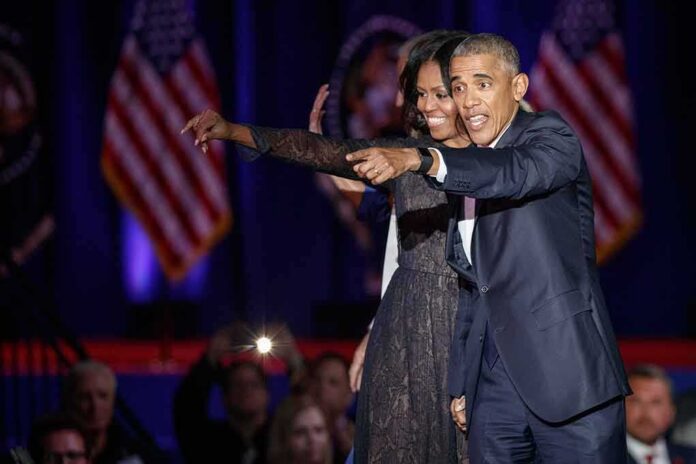
Barack Obama is stepping back onto the 2026 campaign stage to jump-start Democratic turnout where it matters most.
Story Snapshot
- Obama will headline a Detroit rally with Abdul El-Sayed and Jocelyn Benson on October 24.
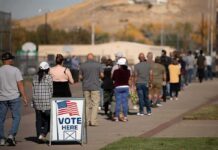
- The event coincides with Michigan’s first day of early in-person voting.
- Democrats also deployed Obama in recorded ads across two dozen key races.
- The push targets base energy and party unity after a hard-fought Michigan Senate primary.
Detroit rally timed to the first ballots
The Michigan Democratic Party scheduled Obama for an October 24 rally in Detroit with Senate nominee Abdul El-Sayed and Secretary of State Jocelyn Benson. The party said Obama will urge early voting and boost Democrats across the ballot. The date matches the first day of statewide early in-person voting, a turnout window both parties treat like a finish-line sprint that opens early. Campaigns do not guess with these choices; they map them to vote-by-mail returns and field capacity.
Democrats chose Detroit for reach and symbolism. Wayne County delivers the biggest Democratic margins in Michigan politics. Packing a rally with a former president spotlights the Senate race and local contests on the same ballot. The alignment also fixes one chronic problem: early votes often break for candidates with repeatable, simple messages. A marquee surrogate helps deliver that message fast, on broadcast and social clips voters see on their phones that night.
Ad blitz signals a broader surrogate play
Beyond Michigan, Obama recorded ads for 24 Senate and governor campaigns, according to his office. That confirms a coordinated, national surrogate strategy, not a one-off state visit. Parties use high-recognition figures to lift name ID, frame stakes, and drive late action. The direct effect on persuasion tends to be small, but the effect on attention and volunteer energy can be real. The ad list suggests triage: close races first, friendly media markets next, and turnout targets last.
Research on endorsements offers a caution flag. Studies often find modest or mixed average effects on vote share or turnout. The best-known outlier remains Oprah Winfrey’s 2008 primary endorsement, which scholars tied to sizable gains for Obama. That result stands out because it is unusual, not because it is typical. Campaigns treat surrogates as force multipliers, not magic wands. The smartest use pairs a surrogate with strong ground game and bankable early votes.
Michigan Democrats look to mend and mobilize
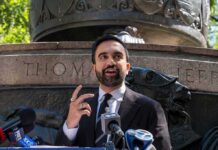
Abdul El-Sayed emerged from a bruising Democratic primary. He said he spoke with Obama as state Democrats moved to close ranks for the general election. A shared stage with Obama helps signal unity to donors and base voters who watch cues more than press releases. That matters when early voting opens; parties want wavering voters to feel safe returning home. A clear party photo can do that work faster than a dozen policy speeches.
The rally also fits a long pattern for both parties: deploy a well-liked national figure in swing states when turnout windows open. Michigan remains a high-stakes prize in Senate control math. Every early ballot banked in Wayne, Oakland, and Washtenaw counties reduces risk on Election Day. Obama’s presence can lift local earned media, which stretches limited campaign cash further by turning one event into days of coverage.
Why this surrogate matters now
Obama still commands large audiences and reliable press attention. That reach helps Democrats set a closing message, especially in a cycle where the Senate map is narrow and expensive. Politico’s reporting on the 24-race ad run shows this is not nostalgia; it is scale and speed for the final month. Conservatives should expect the usual contrast language from the stage. The test is whether voters hear pocketbook answers or only partisan heat. Results will show that, not the rally.
Republicans will counter with their own heavy hitters and a sharper focus on inflation, energy, and border security. That contrast meets a simple rule: voters pick results over rhetoric. If Democrats use Obama to energize their base while dodging cost-of-living pain, they risk a sugar high with no swing. If they pair the star power with concrete plans and local validators, they can bank votes that decide close races. The Detroit event starts that trial in public view.
Sources:
pjmedia.com, pbs.org, x.com, newsweek.com, bloomberg.com
© partiallypolitics.com 2026. All rights reserved.