An Israeli ambassador’s son lay in critical condition after a car-ramming at a West Bank checkpoint, turning a routine security post into a life-or-death fight.
Story Snapshot
- Israeli forces say a driver rammed a checkpoint in the central West Bank; troops shot the attacker.
- Israel’s ambassador to the United States said the wounded man is his son and asked for prayers.
- The victim, identified as an Israel Defense Forces reservist, was rushed to a Jerusalem hospital.
- Major outlets reported his condition as serious to critical, with medics working to save his life.
Confirmed Attack And Immediate Response
Israeli military and police officials reported a car-ramming attack at a checkpoint in the central West Bank. The site was described as within the Binyamin Brigade area, with several outlets pointing to the Maccabim checkpoint along Route 443 near Beit Horon. Security forces opened fire and killed the driver at the scene after the vehicle struck personnel at the post, according to reports that cited official statements. The quick response contained the incident and allowed medics to reach the victim under guard.
The ambassador to the United States, Yechiel Leiter, identified the wounded man as his son. He posted that medics were fighting to save “Neria Dov ben Chana” and said his son needed a miracle, a phrase later carried by multiple outlets. The family confirmation removed any doubt about the link to Israel’s top diplomat in Washington and raised the stakes for Israel’s mission abroad. When a senior envoy’s child falls at a checkpoint, policy and personal duty collide in full view.
Victim Identity, Condition, And Treatment
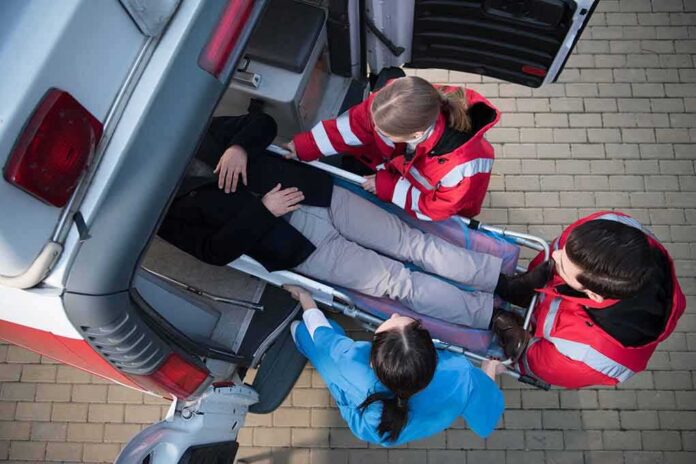
Reports named the wounded man as Neria, also rendered as Neriya or Naria, and identified him as a reservist or soldier on duty at the checkpoint when the car hit. Medics evacuated him to Shaare Zedek Medical Center in Jerusalem. Journalists who contacted the hospital reported he arrived in serious condition, unconscious, and ventilated, with later descriptions ranging to critical as doctors worked to stabilize him. This range reflects the chaos around high-velocity trauma and the rush to surgery or intensive care.
Israeli and international outlets aligned on the core facts: a ramming attack at a checkpoint, a severely wounded Israeli soldier who is the ambassador’s son, and an assailant shot dead on site. Details differed on spelling of names and exact checkpoint labeling, a common feature of breaking news in areas with multiple transliterations and several security installations in a tight radius. Those variations did not change the essentials. A soldier stood a post. A car accelerated. A family now keeps vigil in a hospital ward.
Attacker And Security Implications
Several reports named the attacker and linked him to a nearby village, but the most consistent official line in early coverage focused on the method—vehicle ramming—and the resulting neutralization of the suspect by on-scene forces. The sequence matches a pattern that Israeli commanders have trained for since vehicle assaults rose in frequency: harden the point, drop the threat fast, then secure the lane for medics and evidence teams. That doctrine showed in the rapid fire that ended the attack and the rapid transfer to Jerusalem care.
Checkpoints sit where friction runs hottest. They protect highways and cities but also concentrate risk on a handful of young soldiers in reflective vests and ceramic plates. When a car becomes a weapon, every second matters. Barriers, bollards, and staggered lanes help, but human judgment closes the gap. The public now sees that cost in one name and one bedside. Conservative common sense says call this what it is—an attack—and back the people whose job is to stop the next one.
Diplomatic And Public Stakes
The wounding of the ambassador’s son rippled well beyond the road where it happened. Israel’s representation in Washington runs on relationships, focus, and stamina; a family crisis can pull a diplomat off the field at a critical time. Several outlets framed the collision of duties as leaders moved between United Nations events and emergency calls home. When politics and security intersect with blood ties, the news cycle compresses complex policy into one urgent question: Will he survive?
Israeli Ambassador to US Rushes Back to Israel After Son Seriously Wounded in West Bank Terror Attack https://t.co/g1JIqTqTr1
— Bruce Weingart (@bruce_weingart) September 24, 2026
Major outlets from the Associated Press to cable networks confirmed the central facts within hours, and their alignment signaled high confidence in the event’s contours. The images and clips that followed served a blunt reminder: in the West Bank, a quiet shift can turn violent in a blink. The most practical response pairs firm security with clear support for those on the line. That is not just an Israeli lesson. It is a universal rule for any nation that guards choke points and lives with risk.
Sources:
nypost.com, themedialine.org, aljazeera.com, washingtonpost.com
© partiallypolitics.com 2026. All rights reserved.