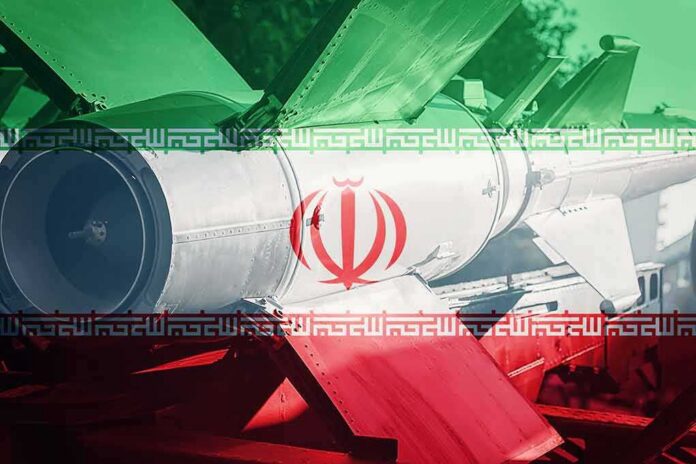
Hasan Piker said the Middle East would be “more stable” if Iran had a nuclear weapon, and the firestorm since then says as much about our debate culture as it does about deterrence.
Story Snapshot
- Piker told Axios the region would be more stable if Iran had a nuclear weapon.
- He framed it as deterrence theory, not a call for proliferation.
- Major outlets clipped the quote; the nuance got buried in headlines.
- Policy experts have warned for years a nuclear Iran would spark wider risk.
What Piker Actually Said And Why It Lit Up
Hasan Piker, a high-profile streamer, said in an Axios interview that the Middle East would be “more stable” if Iran had a nuclear weapon. He tied the idea to mutual deterrence, saying a bomb would restrain the United States and Israel from striking Iran. He also said he does not want any country to have nuclear arms. Major outlets led with the stability line, which made his point sound blunt and categorical instead of conditional.
Piker also claimed energy markets would be calmer and the Strait of Hormuz would stay open if Iran had a deterrent. Those are forecasts, not facts. They promise something no one can test without huge danger. That is why the reaction was fast and fierce. He flipped the usual script: instead of “stop Iran or war,” he suggested “arm Iran to stop war.” That tension, more than the details, carried the clip across platforms.
Deterrence Theory Versus Proliferation Reality
Deterrence theory says nuclear weapons stop big wars between states that fear mutual destruction. That idea helped hold the Cold War to a cold simmer. But deterrence rests on careful control, secure command, and clear red lines. The Middle East does not offer that comfort. It has proxy networks, overlapping conflicts, and no trusted hotlines. Analysts across think tanks warn a nuclear Iran would raise miscalculation risk and spur others to seek bombs.
The Council on Foreign Relations says a nuclear-armed Iran would pose a major threat to Israel and could push Saudi Arabia to match it. That cascade risks more fingers on more triggers with less time to think. The International Institute for Strategic Studies flags Iran’s advances and vague red lines as a recipe for crisis with Israel and the United States. These are not cable news takes; they are sober warnings from long-running research efforts.
The Case For Stability Meets The Region We Have
Piker’s core claim borrows from a real insight: fear can restrain force. The problem is fit. Deterrence worked best when two powers built clear rules and backchannels. Iran runs a web of proxies, and its rivals face direct and indirect threats at once. A Lawrence Livermore National Laboratory workshop warned a nuclear Iran could use the bomb as a shield to push proxy wars, trigger a regional arms race, or even risk transfer to non-state actors. That is the opposite of stability.
Supporters of Piker’s stance might point to India and Pakistan, where nuclear parity helped curb full-scale wars. But even there, crises flared, troops died, and terror strikes probed the edges. The lesson is grim: nukes cap some fights but open others. In the Gulf, missile salvos, drone strikes, and tanker seizures already test nerves. Adding nuclear risk would turn every false alarm into a market shock and every proxy strike into a ladder to the brink.
What Common Sense And Conservative Principles Suggest
Peace through strength works when strength is disciplined and aligned with rules. Handing more countries the world’s deadliest weapon is not discipline; it is gambling. The United States has spent decades trying to stop proliferation because it complicates defense, endangers allies, and invites blackmail. That is not a partisan view; it is a national interest view. On the facts presented, Piker’s deterrence frame lacks the guardrails that make deterrence hold.
There is also the moral cost. Israel lives under explicit threats from Tehran. Telling Israelis and Gulf partners to trust a new nuclear balance asks them to risk survival on a theory. Hard-nosed policy does not bet cities on classroom models. It sets clear red lines, keeps sanctions teeth, builds missile defense, deepens alliances, and pushes diplomacy that limits enrichment and inspection gaps. That mix is boring. It also keeps wars smaller and shorter.
Sources:
foxnews.com, wfmd.com, cnn.com, townhall.com, axios.com, war-watch.com, tnsr.org, cgsr.llnl.gov
© partiallypolitics.com 2026. All rights reserved.