Americans are about to witness a complete shake-up in the so-called “green energy revolution,” as the Department of the Interior finally puts a stop to the endless special treatment for wind and solar power on our federal lands—raising the question: Was this overdue, or just the start of restoring sanity to our energy policy?
At a Glance
- Interior Secretary Doug Burgum now has personal veto power over all wind and solar projects on federal lands and waters
- Over 14,000 square kilometers of federally approved onshore wind projects face potential cancellation, with all new offshore wind lease sales halted
- Policy shift justified by claims of unreliability and subsidy dependence of wind and solar energy, with increased scrutiny on environmental impacts
- Comes as renewable tax credits expire and federal support rises for fossil fuels under President Trump
Interior Department Ends “Special Treatment” for Wind and Solar: Major Policy Reversal
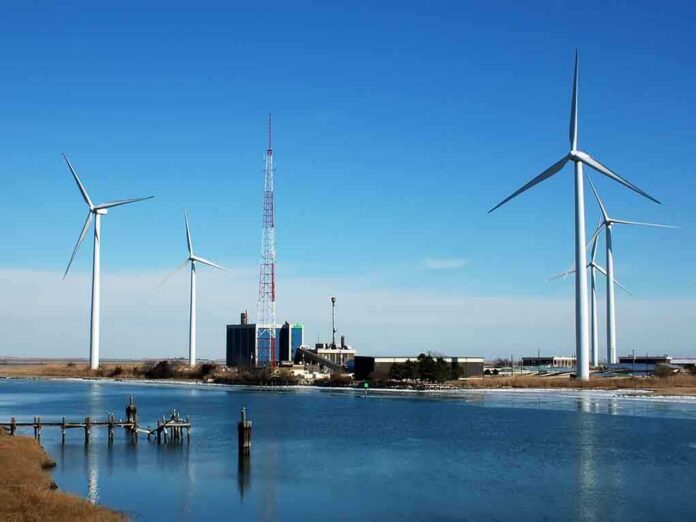
The Department of the Interior has slammed the brakes on the unchecked expansion of wind and solar across America’s federal lands and waters. Secretary Doug Burgum’s new order, issued July 17, 2025, requires his personal sign-off for every single wind and solar project moving forward. This isn’t just a bureaucratic tweak—it’s a seismic shift that puts an end to the days when green energy developers enjoyed a fast lane to taxpayer-subsidized projects, no questions asked. Burgum’s office revealed even more on July 29 and 30: over 14,000 square kilometers of planned onshore wind projects could be scrapped, and all future offshore wind leasing is now on hold.
The justification is as clear as it is overdue—Burgum and the Trump administration openly call out wind and solar as unreliable and utterly dependent on government handouts. There’s finally real scrutiny on the environmental impacts these sprawling projects have, especially when it comes to migratory birds. Instead of the old rubber-stamp process, every new project is now subject to intense review, with Burgum holding the final say. The renewable industry is fuming, accusing the administration of killing jobs and U.S. competitiveness, but the facts are simple: for too long, these projects have received special treatment while delivering little in return for American taxpayers or energy security.
Context: How Did We Get Here?
For years, federal policy—especially under Obama and Biden—showered wind and solar with tax breaks, subsidies, and streamlined permitting on public lands. The Trump administration’s first term tried to slow the gravy train, but this time, the administration is going for the jugular. The turning point came July 4, 2025, when President Trump signed a tax and spending bill that finally phases out renewable energy tax credits while ramping up support for American fossil fuels. Now, renewable developers are scrambling to push projects through before the credits vanish, but Burgum’s order means they’re hitting a brick wall of oversight. The move comes as energy demand surges and the public grows increasingly frustrated with blackouts and unreliable power tied to failed renewable experiments.
Environmental groups are divided on the shake-up. Some, especially those focused on wildlife, actually welcome greater scrutiny on wind projects, given their deadly impact on birds. Others, glued to the climate change narrative, are up in arms over the rollback of “clean energy” priorities. The fossil fuel industry, meanwhile, is seeing a resurgence, finally getting the federal backing it needs after years of demonization and neglect.
Who Wins, Who Loses?
The winners here are clear: American energy independence, taxpayers, and the fossil fuel sector, which can now invest and expand with confidence that their industry won’t be strangled by red tape and backdoor subsidies for unreliable renewables. Burgum’s order centralizes authority, ending the days of unelected bureaucrats rubber-stamping wind and solar boondoggles. Every proposal must now justify its existence, proving it won’t wreck wildlife or depend on endless government handouts.
For the renewable lobby, this is a nightmare scenario. Projects are stalled. Investors are spooked. The clock is ticking on subsidies, and the once-friendly regulatory landscape has turned hostile. Renewable industry leaders are already warning of “bureaucracy and red tape” killing jobs and innovation, but critics point out that their business model was never sustainable without constant government intervention. Communities near proposed wind farms are split—some relieved at the pause, others worried about lost economic opportunities. Politically, this move draws a clear contrast: Trump’s America is putting energy reliability and sovereignty first, while washing away the remnants of the left’s utopian green agenda.
What Happens Next?
Short-term, expect a slowdown—if not a full stop—on new wind and solar projects over federal lands and waters. Existing projects racing to secure tax credits are now bogged down in a thicket of new reviews. The long-term picture is even more dramatic: a potential decline in new renewable capacity, especially where federal land is involved, and a redirection of investment toward fossil fuels. Legal challenges from the renewable industry are almost certain, but with the administration’s clear mandate and public frustration over failed green policies, the momentum is on the side of common sense energy policy.
Economic impacts are already being debated. The renewable sector faces job losses, while oil, gas, and coal see an uptick in jobs and investment. Socially, the divide over energy policy only deepens, but for many Americans—especially those tired of rising utility bills and unreliable power—this feels like a long-overdue correction. America’s energy future is finally back in the hands of its people, not green lobbyists or global bureaucrats.
Sources:
AJC: Interior Secretary Burgum must personally approve all wind and solar projects, a new order says
OPB: Trump administration order requires Interior Secretary sign-off wind solar projects
Wind Power Monthly: Burgum weighs ending US offshore wind lease sales, restricting onshore projects
PoliticoPro: Interior Department details new actions targeting U.S. wind development
DOI: Interior ends preferential treatment unreliable subsidy dependent wind and solar