Even in the face of repeated warnings, some Europeans still treat Iran like a backpacker’s playground—only to find themselves tangled in a web of “hostage diplomacy” that would make any sane person ask: what on earth are they thinking?
At a Glance
- European tourists continue to visit Iran despite dire government warnings and a history of arbitrary detentions.
- The disappearance of 18-year-old Lennart Monterlos highlights the growing risks for Westerners in Iran.
- France and other nations condemn Iran’s practice of using foreign detainees as political leverage.
- Travel companies are pulling out, but independent travelers remain undeterred, sometimes with disastrous consequences.
Europeans Ignore Warnings, Play Roulette in Iran
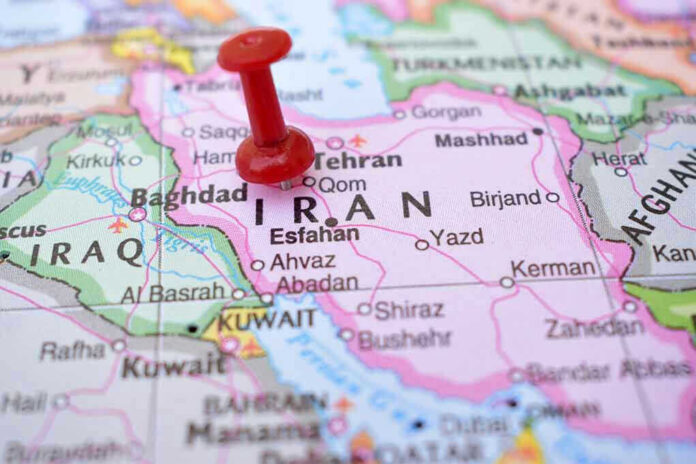
There’s a special kind of stubbornness at play when you see Europeans—fully aware of Iran’s track record for “hostage diplomacy”—still packing their bags for Tehran as if they’re heading to a Parisian café. Just last month, Lennart Monterlos, a French-German teenager, vanished during his solo cycling trip through Iran. Authorities are scrambling, families are heartbroken, and the Iranian government is, as usual, silent as a tomb. This isn’t a first: Iran’s made a global sport out of detaining Westerners, slapping on phony espionage charges and using them as bargaining chips in international showdowns. Yet, somehow, the lure of adventure and “cultural exchange” keeps a steady trickle of naïve travelers crossing the border, oblivious—or perhaps willfully ignorant—to the fact that they’re stepping right into a trap.
How many times does the French government need to go on record—loudly—telling its citizens to stay out of Iran before people get the message? Travel advisories have basically turned into desperate pleas: “Don’t go, or you might end up as a pawn in some shadowy negotiation.” France maintains a registry for citizens abroad, but plenty skip the paperwork, thinking rules are for other people. Meanwhile, travel companies like Voyageurs du Monde have thrown in the towel, calling it “irresponsible” to organize trips to a country where the risk of being snatched off the street is part of the package deal.
Hostage Diplomacy: The Regime’s Favorite Game
Iran’s playbook is as old as the regime itself: detain Westerners, invent wild accusations, then sit back and wait for the international community to come groveling. The 1979 hostage crisis set the standard, and the beat goes on—now with around 20 Europeans believed to be rotting in Iranian jails, their stories hidden or exploited as leverage in diplomatic wrangling. Just ask the families of Cecile Kohler and Jacques Paris, French nationals facing trumped-up espionage charges and the threat of execution, all because the regime feels like flexing at the negotiating table. France’s foreign minister has publicly called out Iran’s “deliberate policy of taking Western hostages” and described the detention conditions as nothing short of torture. But let’s be honest: for a regime that thinks nothing of crushing dissent at home, what’s a few more foreigners behind bars?
For every advocate insisting on international pressure and human rights, there’s an Iranian hardliner smirking at the West’s impotence. The judiciary and security services call the shots, while families back in Europe are left to wage media campaigns and hope for a diplomatic miracle. The message is clear: if you’re carrying a European passport, you’re not a tourist in Iran—you’re potential currency.
The Real Cost: Broken Families, Wrecked Tourism, and a Reputation in Freefall
Every new detention ratchets up the tension between Iran and Europe, especially France. Families are left in limbo, businesses lose revenue, and the once-promising idea of cultural exchange has been replaced by fear and suspicion. Travel experts say Iran is “safe in daily life”—until, of course, you end up in the wrong place at the wrong time and vanish without a trace. The economic fallout ripples through Iran’s own tourism sector, but the regime seems willing to trade dollars for leverage any day of the week.
The long-term effect? Iran gets more isolated, Western tourists get more anxious, and governments are forced into an endless cycle of warnings and negotiations. Human rights organizations are ramping up their calls for action, but until Westerners finally heed the warnings—or until Iran pays a real price for its hostage games—the cycle shows no signs of breaking. The ultimate irony: the people most hurt by this are often the ordinary Iranians who greet visitors with open arms, only to watch their country’s reputation sink lower with every fresh diplomatic crisis.