A new security breach involving a laser pointer endangers President Trump’s safety, causing a stir among security experts and patriots.
Story Overview
- Jacob Winkler charged for aiming a laser pointer at Marine One with President Trump aboard.
- The incident raises significant aviation safety concerns.
- Winkler claims ignorance of the law, facing severe legal penalties.
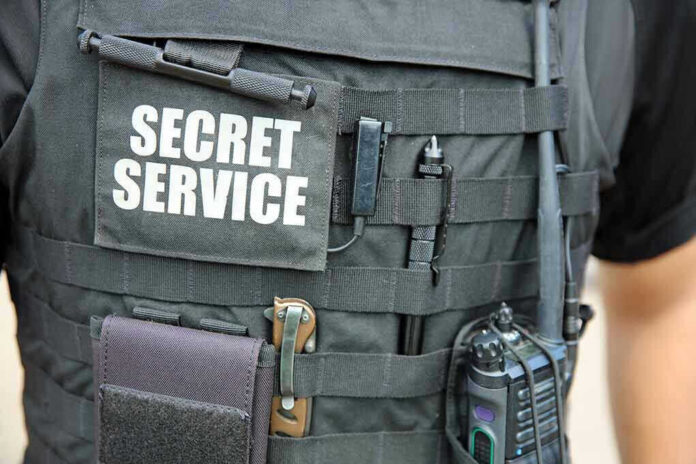
- Secret Service underscores heightened risks in high-security zones.
Incident Details and Legal Ramifications
Jacob Samuel Winkler faces charges after allegedly shining a laser pointer at Marine One as it departed the White House, carrying President Trump. This incident underscores the severe risks posed by laser pointers to aviation safety. Federal law strictly prohibits aiming lasers at aircraft due to the potential for pilot disorientation, particularly during critical flight operations. Winkler’s actions, taking place near the Ellipse, have serious legal implications, including potential imprisonment and hefty fines.
Winkler’s immediate arrest by Officer Diego Santiago highlights the swift response protocols in place for presidential security breaches. Winkler admitted to the act, claiming ignorance of its legality, a defense unlikely to mitigate the federal felony charge he now faces. The legal framework aims to deter such impulsive actions, given the heightened stakes when involving high-profile targets like Marine One.
Security and Aviation Safety Concerns
The incident has stirred a debate on the adequacy of current security measures around presidential transport. Aviation safety experts emphasize the unique challenges posed by laser pointers, which can cause temporary blindness and disorientation for pilots. The Secret Service’s role in maintaining stringent protocols around areas like the White House is crucial to preventing similar threats, particularly with the president on board. Such breaches are not only a matter of national security but also a test of the robustness of existing aviation safety regulations.
Officer Santiago’s account of the event highlights the immediate danger posed to both the helicopter and ground personnel, reinforcing the need for vigilant enforcement of laser-related laws. As incidents of laser strikes on aircraft increase, there is a growing call for both public education and technological solutions to counter these threats effectively.
Implications for National Security and Legislation
This incident has broad implications beyond Winkler’s legal battles. It raises questions about the security vulnerabilities of presidential movements and the need for enhanced measures to safeguard against unconventional threats. The potential for legislative review of laser pointer regulations indicates a shift towards stricter enforcement and heightened public awareness initiatives. The aviation industry is expected to respond with calls for advanced anti-laser technology and enhanced pilot training to mitigate such risks effectively.
DOJ charges man for aiming laser pointer at Marine One with Trump on board https://t.co/6Nj8fmyba9
— Victor Louie (@VictorLouie8) September 22, 2025
As the case proceeds, it serves as a stark reminder of the delicate balance between individual actions and their broader impact on national security. Law enforcement agencies continue to emphasize the importance of education and awareness in preventing similar incidents, ensuring the safety of high-profile figures and the general public alike.
Sources:
Man charged with aiming laser pointer at Trump’s helicopter – AOL News
Man charged with shining laser pointer at Marine One – NewsTimes
The glaring danger in Trump’s latest demands of his Department of Justice – The Daily Beast