North Korea showed up, spoke late, and forced everyone to listen for the message behind the timing.
Story Snapshot
- UN General Assembly week ran with packed live speeches and official streams.
- South Korea’s president pitched a step-by-step plan to cool the peninsula.
- North Korea sent Vice Foreign Minister Kim Son-gyong and tracked key speeches.
- UN systems logged the events, though formal records follow later.
UN week delivered live words, firm lines, and careful staging
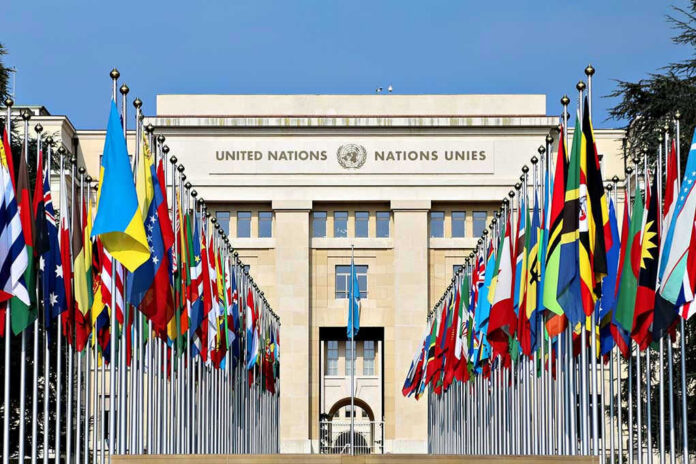
The United Nations General Assembly’s high-level week set a clear stage. Leaders spoke live, and the United Nations streamed it all on its Web TV platforms with day-by-day sessions and speaker archives. South Korea’s President Lee Jae Myung laid out a three-part plan to reduce risk with the North and move toward peace. Major outlets and United Nations platforms documented his address and themes for the week, giving the public a play-by-play view as speeches landed.
North Korea’s move was simple but deliberate. The country confirmed a delegation led by Vice Foreign Minister Kim Son-gyong traveled to New York for the General Assembly’s 81st session. Reporters on the ground noted that Kim Son-gyong was slated for the final day’s roster, a spot that draws attention from late-cycle press and diplomats who stay to the end. That timing fits Pyongyang’s pattern: watch, react, and try to frame the last word before the lights go down.
South Korea pitched a phased path; North Korea held its red line
President Lee’s speech asked Pyongyang to take real steps. He called for a halt to nuclear and missile gains first, with reductions to follow. He paired that with offers of dialogue and practical cooperation if progress appears. Coverage throughout the day framed his plan as the most open stance in years and tied it to a push for ending the long war footing on the peninsula. That combination aims to lower risk without giving up leverage that deters attack.
North Korea signaled a harder edge that same week. The country’s foreign minister said its nuclear status was “irreversible” and would not change across “a hundred or a thousand years,” via the state news agency. Those words set a ceiling on talks and warn that pressure will not force surrender. When read with the late speaking slot for Kim Son-gyong, the message looked fixed: accept North Korea as a nuclear state, or face a closed door.
Who watched whom mattered as much as who spoke
Seat maps and sightings added their own story. North Korean diplomats sat in the hall for President Trump’s speech, according to reporting that named North Korea’s United Nations envoy among those present. That showed Pyongyang wanted to hear the United States message firsthand, in the room, not filtered. They skipped South Korea’s address in person, which pointed to a cold channel between the two Koreas at the very moment Seoul offered steps toward peace.
Several leaders at the 81st UN General Assembly have said theUN itself isn't working. In speeches at the general debate, they added their voices to criticism that the five permanent security Council members are not using their powers to help solve global crisis. https://t.co/kBBmhzkDbn pic.twitter.com/vLBpnTqe4E
— Aafreen Akhlaque (@pardekpiche) September 28, 2026
For readers who ask, “Did they really speak live?” the United Nations pipeline explains the lag many notice. The United Nations streams sessions live and posts video assets quickly. But the formal meeting records and final verbatim documents take much longer to publish. The United Nations’ own guidance warns that official records can take months after the debate ends. That delay does not mean a speech did not occur. It means the paperwork moves at United Nations speed.
Why this week matters for U.S. interests and common sense
All sides used the General Assembly to test lines and shape headlines. South Korea asked for a realistic pause-and-reduce approach, which tracks with American conservative values of peace through strength and stepwise deals that can be verified. North Korea sought leverage by timing and tone, while still showing up to hear the United States in person. The United Nations did its core job: put everyone on record, side by side, so the world can compare words and weigh intent.
Here is the plain read. The platform was live and documented. South Korea put a workable outline on the table. North Korea attended, kept its hard line, and aimed for a late-stage message cap. The record will keep filling in as the United Nations posts more assets, but the main facts are set. Diplomacy often moves by inches at a podium before it moves by miles at a table. This was one of those inch-by-inch weeks.
Sources:
aa.com.tr, news.sbs.co.kr, dw.com, press.un.org, nytimes.com, cnbc.com, media.un.org
© partiallypolitics.com 2026. All rights reserved.