A new breed of apartment rental scams has drained $600,000 from desperate renters’ wallets in 2025, with federal investigators warning that social media platforms have become the primary hunting grounds for sophisticated fraudsters.
Story Overview
- FBI reports 130 rental scam cases tied to social media, totaling $600,000 in losses during 2025
- Scammers exploit legitimate listings with artificially low rents to lure victims into paying fake deposits and fees
- Federal agencies issue urgent warnings as fraudsters become increasingly sophisticated in their deception tactics
- Tight housing markets and online apartment hunting create perfect storm for rental fraud
The Digital Deception Machine
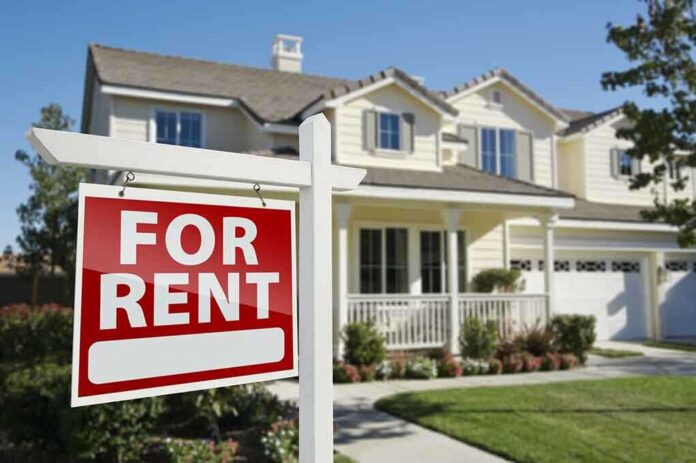
Today’s rental scammers operate with corporate-level sophistication, stealing legitimate property photos and crafting convincing fake listings that mirror real estate agent presentations. These fraudsters pose as landlords or property managers, often targeting desperate renters with below-market pricing that seems too good to pass up. The scammers understand human psychology, preying on the urgency that drives apartment hunters in competitive markets where good deals disappear within hours.
Social media platforms have become the preferred battleground for these criminals, offering them access to millions of potential victims while providing the anonymity needed to operate across state and international borders. Facebook and Instagram rental groups, originally created to help renters find affordable housing, now serve as fishing pools for scammers who can easily create multiple fake profiles and post fraudulent listings.
The $600,000 Wake-Up Call
The FBI’s latest data reveals a disturbing acceleration in rental fraud, with 2025 marking a turning point in both the volume and sophistication of these scams. The $600,000 figure represents only reported cases, suggesting the actual losses could be significantly higher as many victims never contact federal authorities. Each case typically involves losses ranging from hundreds to thousands of dollars, representing security deposits, application fees, and first month’s rent payments sent to criminals.
These aren’t small-time operations run by amateur grifters. Many rental scams now involve organized networks that can quickly adapt their tactics, create professional-looking websites, and maintain convincing communication with multiple victims simultaneously. The criminals often operate from overseas locations, making investigation and prosecution particularly challenging for domestic law enforcement agencies.
The Perfect Storm of Vulnerability
America’s rental crisis has created ideal conditions for these scams to flourish. Young adults entering the rental market, families relocating for work, and anyone seeking affordable housing face intense competition and time pressure that scammers expertly exploit. The shift toward online apartment hunting, accelerated during the pandemic, removed traditional safeguards like in-person meetings and property visits that historically protected renters.
Digital payment systems, while convenient, have made it easier for scammers to quickly collect and transfer stolen funds before victims realize they’ve been defrauded. Unlike traditional check payments that could be stopped or traced, electronic transfers and cryptocurrency payments often disappear permanently once sent. This technological shift has tilted the playing field heavily in favor of criminals who can collect payments and vanish within minutes.
Fighting Back Against Digital Predators
Federal authorities now recommend that renters treat online listings with the same skepticism they would apply to any significant financial transaction. The FBI specifically advises against sending money before physically viewing properties and meeting landlords in person. Legitimate property managers welcome verification requests and provide multiple forms of contact information, while scammers typically pressure victims to act quickly without proper verification.
The real estate industry faces pressure to implement stronger verification measures for online listings, while social media platforms must balance user accessibility with fraud prevention. However, the responsibility ultimately falls on individual renters to protect themselves through careful research, verification of property ownership records, and refusing to participate in any rental process that demands upfront payments without proper documentation and in-person meetings.
Sources:
AOL – Apartment scams rise as renters turn to social media
New York State Comptroller’s Office Report
The Independent – FBI warns renters about apartment rental listing scams