Senator Mark Kelly’s battle with the Trump administration over military oath obligations raises profound constitutional questions.
Story Overview
- Senator Kelly faces potential court-martial for urging military adherence to lawful orders.
- The Trump administration perceives Kelly’s statements as a challenge to presidential authority.
- The incident spotlights tensions between executive power and military law.
- Kelly remains defiant despite threats and increased personal security concerns.
The Constitutional Conflict Unfolds
In early December 2025, Senator Mark Kelly, a retired Navy captain and former astronaut, found himself at the center of a constitutional maelstrom. The Trump administration initiated an investigation against Kelly following his video urging military personnel to honor their constitutional oath by rejecting unlawful orders. This has led to threats of court-martial and a potential recall to active duty, igniting a nationwide debate on the limits of presidential power over military obligations.
Mark Kelly Reveals 'Graphic' and 'Violent' Threats He’s Received Since Trump Lashed Out at Him https://t.co/1VVYHhP9iJ
— Mediaite (@Mediaite) December 3, 2025
Kelly’s assertions are rooted in long-standing military doctrine, which mandates service members to disobey illegal directives. The Uniform Code of Military Justice, alongside historical precedents like the Nuremberg trials, underscores this principle. Kelly’s public stance appears to be a direct pushback against perceived overreach by the Trump administration, which has a history of exerting military authority without congressional consent.
The Stakes for Military and Democracy
This episode raises the stakes for both military integrity and democratic governance. The Trump administration’s actions could dissuade military officers from discussing their constitutional obligations, potentially undermining military ethics. For Kelly, a sitting senator and veteran, the implications are personal yet deeply institutional, challenging the very fabric of legislative independence from executive intimidation.
The broader context includes Trump’s past tactics of using intimidation against critics, including threats to universities, media, and Congress members. Kelly argues that these tactics are now directed at him, a charge that resonates with Trump’s previous strategies to silence opposition.
Responses and Repercussions
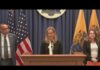
Kelly has publicly refused to be cowed, stating at a press conference that President Trump is attempting to silence him. He highlighted the constitutional lines being crossed by the administration, emphasizing his commitment to uphold military and democratic principles. Kelly’s defiance is emblematic of a larger struggle over the boundaries of executive power and the protection of military personnel from politicization.
The situation remains dynamic, with Kelly’s security heightened due to increased threats following Trump’s public comments. This ongoing saga not only tests the resilience of democratic norms but also serves as a litmus test for the American public’s commitment to constitutional governance.