When a mountain river turned into a wall of mud in minutes, an Afghan city lost its mayor, its homes, and at least 23 of its people before most of them even knew they were in danger.
Story Snapshot
- At least 23 people confirmed dead after sudden flash floods hit Nuristan province.
- More than 100 people are still missing, including the mayor of Parun.
- About 80 people were injured and dozens of homes and hotels were wiped out.
- The disaster exposes how Afghanistan’s rulers undercount damage and leave remote families on their own.
Flash floods turn a quiet mountain capital into a disaster zone
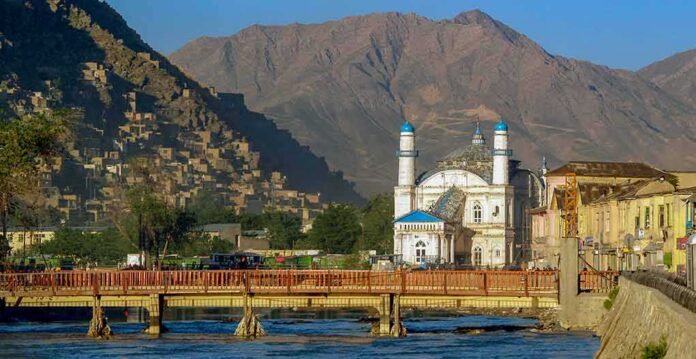
Heavy rain slammed into the steep valleys of eastern Afghanistan on Monday and turned narrow rivers into raging torrents. In Nuristan province, those torrents ripped through Parun, the provincial capital, smashing houses, shops, and small hotels in minutes. Local officials say at least 23 people are dead so far, with more bodies likely buried under rubble and mud. Survivors describe whole streets swept away before families could grab children or elderly relatives.
The Taliban-run Afghanistan National Disaster Management Authority reported that more than 100 people remain missing and about 80 are injured. Among the missing is the mayor of Parun, who vanished when floodwaters tore through the city center. Rescue crews and neighbors now dig through collapsed houses with basic tools, searching for relatives and trying to clear debris to reach trapped survivors. Those first hours after a flash flood decide who lives and who is only found days later.
Conflicting numbers and a familiar pattern of underreporting
Early reports from Taliban authorities said 20 people had died, with 100 missing and at least 80 injured. Within a day, that death count rose to 23 as more bodies were found in Parun and nearby villages. Afghan media and aid groups have learned to treat those first figures as only a rough floor, not the full story. In past floods, the Taliban government’s official numbers were often far lower than what United Nations agencies and relief groups later confirmed.
During major floods in 2024, for example, Taliban officials claimed 48 deaths while United Nations teams later counted more than 200 killed nationwide once they reached cut-off villages. That same year, heavy rains in Baghlan province killed over 300 people and destroyed more than 1,000 houses, according to United Nations and aid groups. Local Afghan ministries first reported far lower tolls. For a conservative reader used to demanding clear facts and accountability, this gap looks less like honest error and more like a regime that fears bad headlines more than it fears bad weather.
Why Nuristan is so vulnerable when the sky opens up
Nuristan sits in some of the most rugged terrain in eastern Afghanistan. Steep slopes, thin soils, and fast rivers make flash floods both more likely and more deadly. Scientific studies show that eastern and northeastern Afghanistan face the highest flood risk because of their sharp mountains and narrow valleys that funnel runoff at dangerous speed. When intense rain hits bare hillsides, water cannot soak in. Instead, it races downhill carrying rocks, trees, and mud into any town that happens to lie in its path.
Years of war, deforestation, and poor road building have stripped many slopes above Nuristan villages. Trees that once held soil in place are gone, cut for fuel or lost in fighting. Simple flood defenses like levees, retaining walls, and early warning systems are rare or broken. Families build along riverbanks because flat land is scarce. When the river suddenly rises by several meters, there is nowhere to run. These are not freak accidents. They are predictable results when fragile land meets heavy rain and weak governance.
A country drowning in disasters while politics stay stuck
These Nuristan floods are only the latest in a string of deadly disasters. Since 2024, flash floods have hit most of Afghanistan’s provinces, killing hundreds and destroying tens of thousands of homes. Climate scientists link many of these storms to unusual rainfall patterns made worse by global warming and El Niño effects. That means Afghanistan’s flood problem is no longer a once-a-decade shock. It is becoming a seasonal threat, like hurricane season on steroids, striking a country with almost no safety net.
Flash floods have claimed lives and caused severe damage in eastern #Afghanistan, especially in Parun, Nuristan. Our thoughts are with bereaved families.@UNICEFAfg and partners are on the ground, setting up a field clinic to provide trauma care and emergency medical services. pic.twitter.com/558Ua2YS6z
— UNICEF Afghanistan (@UNICEFAfg) July 21, 2026
Under Taliban rule, disaster response relies heavily on foreign aid and private groups because many governments cut formal ties after 2021. International agencies complain that they struggle to get clear data, open access, and honest cooperation from Kabul when floods hit. From a common-sense, conservative view, the picture is simple: a regime that controls information, blocks independent checks, and dodges blame cannot be trusted to protect its people or tell the full truth when those people die.
Sources:
youtube.com, rferl.org, reliefweb.int, en.wikipedia.org, efe.com, ariananews.af, bbc.com, jpost.com, lemonde.fr, facebook.com, adore.ifrc.org, reuters.com, egusphere.copernicus.org, lossanddamagecollaboration.org, unocha.org
© partiallypolitics.com 2026. All rights reserved.