
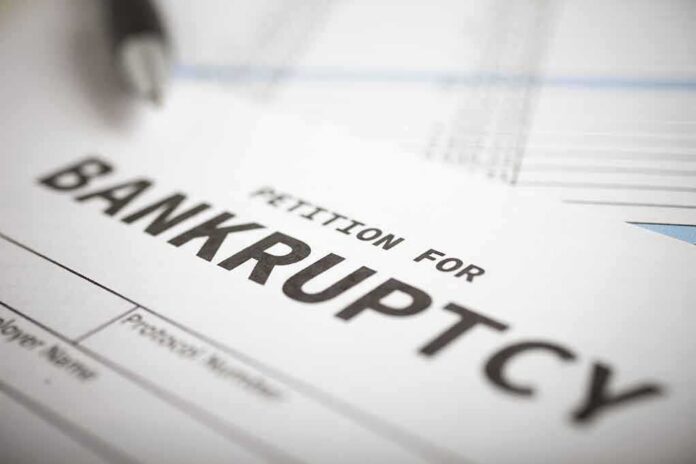
A major Outback Steakhouse franchisee says California’s rising wages helped push it into bankruptcy, and the numbers show why that claim matters now.
Story Snapshot
- The franchisee filed Chapter 11 in Delaware with operations already shrinking.
- Management cited rising food and labor costs and falling guest traffic as key pressures.
- More than half the workforce was in California, where the 2026 minimum wage hit $16.90.
- Debt swelled to about $449 million as costs rose and sales softened.
What the filing says and why it lands with a thud
Cerca Trova Restaurant Group, also known as Out West Restaurant Group, sought Chapter 11 protection on November 2, 2026, in the United States Bankruptcy Court for the District of Delaware. The company and affiliates asked for joint administration, confirming a real restructuring with court oversight and creditor votes to come. Leadership did not hide the drivers. The chief executive described falling guest traffic and earnings while food, labor, and other production costs climbed, a squeeze that worsened by 2026. Courts handle facts; this filing put cost pressure in black and white.
The operator had already pulled back its footprint. Reports tied to court papers show a drop from 99 restaurants in 2018 to 61 by 2026, evidence of a long grind before the petition date. That path matches what many diners have seen in their towns: fewer open doors, shorter hours, thinner crews. The Chapter 11 case number and docket confirm the timing and structure, moving the story out of rumor territory and into the formal record. Shrink, then restructure, is a familiar chain-restaurant playbook when math stops working.
Where California wages fit—and where they don’t
California loomed large in the payroll. Reports citing the company’s documents said more than half of its employees worked in the state, where the 2026 minimum wage reached $16.90 per hour. Outback is not in the fast-food category facing the separate $20 floor, which keeps the wage focus on the broader statewide rate and overall labor costs, not the fast-food law itself. That distinction matters. It narrows the claim to a real, documented wage increase while avoiding a legal label the brand does not carry. It also ties costs to a labor-heavy business model.
The wage story is only part of the bill. The same records and coverage flagged a jump in debt to about $449 million, up from roughly $269 million in late 2020. Beef prices rose as much as 5 percent per year since 2022, a notable hit when steak is the star of the menu. Traffic weakened over years, and the pandemic knocked revenue down about 35 percent in 2020, with many customers trading down or eating at home. These facts make a clean, single-cause story too neat for the ledger.
What common sense says about cause and effect
Labor costs go up, margins go down. That is not politics; that is arithmetic in a business where payroll and food take most of every dollar. When more than half your workers are in a high-wage state, the hit scales across the enterprise, even if you operate in other states. That said, debt loads and weak traffic can turn a hard year into an insolvency. The chief executive’s own words point to a pileup of pressures rather than one villain, which squares with conservative common sense: costs matter, but so do demand and discipline.
Bankruptcy: Cerca Trova Restaurant, once the largest Outback Steakhouse franchisee, filed for bankruptcy with c. $449m of debt and a proposed $26.3m sale of its assets to Bloomin' Brands. Source: Bloomberg.
— Southey Capital – News and Updates (@SoutheySecurit1) November 4, 2026
Policy debates often chase a silver bullet. The record here does not give one. The statewide minimum wage increased and raised a real expense line. The company’s locations also faced beef inflation, softer guest counts, and large liabilities that limited room to maneuver. California’s wage policy looks financially material in this case because of the company’s employee mix and model. But the formal filings and coverage place it beside other drivers, not above them.
What to watch next in the court and the kitchen
The Delaware docket should surface more detail on store-level earnings, labor percentages, and lease terms as the case advances. Expect plans that close weaker sites, push rent resets, and cut corporate overhead. Watch for menu price moves to pass some costs to diners. The blend of these steps will show whether higher wages can be absorbed with better pricing and productivity, or whether more exits are coming. For now, the lesson is blunt: raise inputs in a thin-margin trade, and the weakest balance sheets will crack first.
Sources:
thegatewaypundit.com, citizen-times.com, thederrick.com, news.bloomberglaw.com
© partiallypolitics.com 2026. All rights reserved.