On U.S. Election Day, a Honduran migrant caravan set out toward the United States from San Pedro Sula—and they said the vote might shape their chances.
Story Snapshot
- Dozens left San Pedro Sula for the Guatemala border on November 3, 2026.
- The departure matched U.S. midterm Election Day, which several migrants watched closely.
- Reports say the group aimed for Corinto, then north to the United States.
- Digital chats and WhatsApp groups helped plan the meeting point and date.
Caravan Departs As Americans Vote
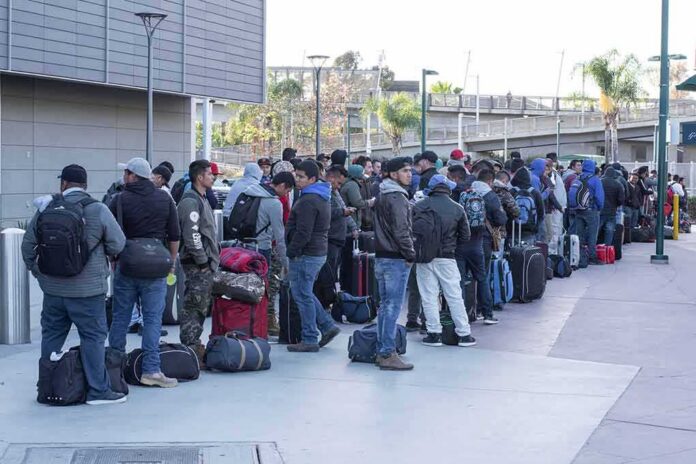
Dozens of Honduran migrants gathered at Gran Central Metropolitana in San Pedro Sula on November 3 and began a northbound caravan. Reporters on the ground described parents with children, young adults, and older travelers forming the core of the group. The timing matched U.S. midterm Election Day. Some participants voiced hope that the results could soften immigration enforcement against them as they moved north. Local coverage called it the third caravan to leave Honduras in 2026.
The route was not a mystery. Reports said the travelers aimed for Puerto Cortés’s Corinto area on the Guatemala border, with the United States as the final target. The size was reported as “dozens,” not hundreds or thousands, which helps separate this group from larger caravans in other weeks that drew viral headlines. That distinction matters, because mixing episodes can make a small caravan look massive when it is not.
Planning Moved Through Phones, Not Podiums
CNN en Español reported that planning ran for about 20 days over digital platforms and WhatsApp groups. People shared the meeting point, travel date, and warnings about risk. That method matches a pattern seen since 2018: caravans form through simple, fast, peer-to-peer messages that lower fear and travel costs. News cameras, in turn, make the movement visible and can draw more people as the group advances. Organizers were not identified in EFE-linked reports, which stressed that the call spread on social media.
Motives were mixed, as they usually are. Many migrants described unemployment, insecurity, and poverty as the push factors for leaving home. At the same time, some said the U.S. midterms might alter the enforcement climate. Agence France-Presse reporting captured that blend: policy hopes on top of hard economic need. That is credible and common. People weigh danger, cost, and chance of success. When they think policy might open a window, they move.
Election Day Timing: Signal Or Coincidence?
The date lined up with U.S. midterms. That is a fact. Reports also quoted migrants who believed results could matter for them at the border. Those details support the view that some participants watched U.S. politics and timed their move with that in mind. At the same time, the same coverage grounded core motives in work, safety, and dignity. The evidence does not show a single mastermind or a political sponsor setting the date. One caveat is fair: media reports did not publish the actual chat logs behind the timing.
Common sense says both truths can stand. People flee real harm and lack of opportunity. People also read headlines and adjust plans. Neither cancels the other. For American conservatives, the lesson is practical, not abstract. Border policy signals travel fast. If enforcement looks uncertain, flows rise. If it looks firm and predictable, fewer families gamble the journey. Consistent policy, clear messaging, and humane deterrence work together; performative swings invite tests.
Why This Small Caravan Still Matters
Scale can blind. “Dozens” will not overwhelm the border by themselves. But caravans function like beacons. They show a route, advertise a timeline, and pool safety. Even a small column can grow as it moves, especially if videos spread and local groups link up. The San Pedro Sula departure fits that model. Phones handle logistics. Bus terminals set the stage. Border rumors shape momentum. As the group reached Corinto, the real test became whether others would join in Guatemala and Mexico.
🚨 BREAKING: HONDURAN MIGRANT CARAVAN ALREADY ON THE MOVE 🚨
Just like that — on Tuesday, November 3 (US midterm Election Day) — dozens of Hondurans gathered at the main bus terminal in San Pedro Sula and began heading north. Families, young men with backpacks, kids, even some… pic.twitter.com/AvZa14jARc— CONSTITUTION X 🇺🇸 (@ConstitustionX) November 4, 2026
Policy response should target both ends. In Honduras, support jobs, fight extortion, and expand lawful work visas that cut the smuggler premium. In the United States, keep the wall, maintain rapid asylum screening, and remove those who do not qualify, fast and fair. Tie aid to anti-corruption results abroad. Back faith groups and local shelters that reduce the pull of caravans by meeting needs at home. When rules are steady and consequences clear, caravans shrink on their own.
Sources:
pjmedia.com, news.nate.com, ticotimes.net, elheraldo.hn, latintimes.com
© partiallypolitics.com 2026. All rights reserved.