South Africa’s president publicly asked Elon Musk to “remember his country” and give back, lighting a fuse that now runs through history, policy, and tech power.
Story Snapshot
- President Cyril Ramaphosa urged Elon Musk to support South Africa’s development during a public forum.
- Ramaphosa linked the appeal to apartheid-era education gaps and unequal state spending.
- Musk replied that modern South Africa is “super racist” against whites and Asians.
- The clash overlaps with stalled Starlink market access and local ownership rules.
Ramaphosa’s onstage ask and the history behind it
President Cyril Ramaphosa used a Silicon Valley stage to send a simple message to Elon Musk: do not forget your roots. He said Musk should contribute to South Africa’s development and “give back.” He framed the ask with a stark comparison on apartheid-era schooling: the state spent more on white students than on Black students, including when each man was in school. The government account quotes him drawing a 12-to-1 image to show the gap’s size.
The figure echoed a larger record of deep disparities. Academic and policy sources have long documented double-digit spending gaps under apartheid. The point was not a line-item for Musk’s own school, but a system that tilted the odds for white students. Ramaphosa’s argument pressed a moral claim: if a system gave more, a successful son of that system should help fix what it broke. That positions “giving back” as national repair rather than political tribute.
Musk’s reply and the policy minefield
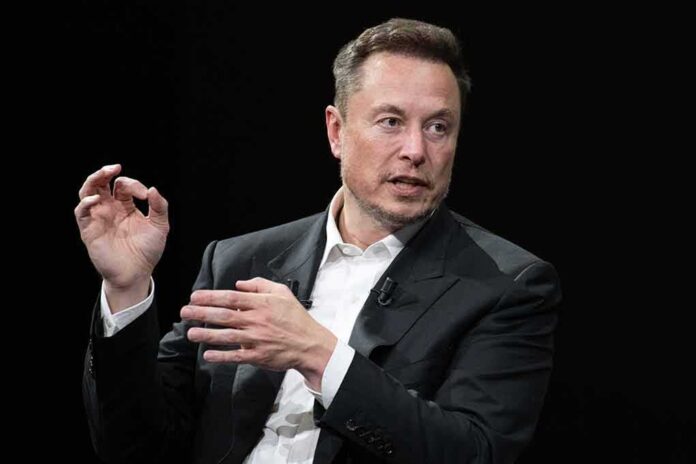
Elon Musk fired back on X. He wrote that South Africa is “now super racist against Whites and Asians.” He has also claimed the country has more than one hundred laws that discriminate against non-Black citizens and called this “Apartheid version 2.” Those are sweeping charges that he links to policy frameworks that aim to grow ownership by historically disadvantaged groups. He urges repeal as the only honest fix.
Coverage connects his criticism to the telecom rulebook. To operate, companies face ownership thresholds for historically disadvantaged groups. That bar has stood in the way of Starlink’s full entry, at least for now. The timeline matters. Ramaphosa’s public nudge came while Starlink’s access remained stuck after years of effort. That overlap lets critics say the “give back” line and the license fight are two sides of one negotiation. The president, for his part, has insisted companies must follow South African law.
What the record shows, and what it does not
The public record shows three hard points. First, Ramaphosa did make the appeal and tether it to unequal education under apartheid. Second, Musk did respond by blasting current race policies. Third, South Africa’s ownership rules remain a live barrier for Starlink. Each point is traceable to named sources and on-the-record remarks. What the record does not supply is a bill of what Musk “owes,” to whom, and how it would be delivered or audited. That keeps the ask moral, not legal.
One claim invites care. The 12-to-1 spending line paints the right direction but not the full method. Scholars have reported larger or smaller ratios in different years, and those shifts complicate one headline number. That does not erase the truth of massive gaps. It does argue for a clean dossier: years, sources, and methods in black and white. Facts do not fear sunlight. Tight sourcing would block easy deflection and help any serious donor align action with need.
A path that honors duty and protects fairness
The core question cuts past slogans. Should a world-famous emigrant help the country that schooled him? Many Americans would say yes, if the help is voluntary, transparent, and goes straight to real results. That answer fits conservative common sense: private generosity, tough oversight, no political skimming, and clear wins for kids and communities. Put targets on paper. Wire money or hardware to independent trusts. Publish audits. Let results, not rhetoric, do the talking.
Ramaphosa Asks Elon Musk To Contribute To South Africa https://t.co/hYhhRNpNrH via @YouTube
— Nelly Redgrave (@nellyredgrave) November 18, 2026
Both sides could move first. The Presidency could publish a concrete, ring-fenced plan for rural schools and digital links, with open books and outside audits. Musk could pilot a time-bound project that delivers devices, power, and satellite access to named schools, tracked in public dashboards. If policy hurdles block action, regulators should state them in plain text and timelines. If the hurdles are ideology dressed as safety rails, voters will see it. If they are real, engineers can solve them.
Sources:
twitchy.com, news24.com, thesun.ng
© partiallypolitics.com 2026. All rights reserved.