An overnight search through the Grand Canyon’s remote North Rim ended with three lives lost and a wrecked Piper Comanche found at first light.
Story Snapshot
- Park rangers found a Piper Comanche wreck with three dead near the North Rim Basin area.
- The aircraft went missing late November 15; debris was located around 10:15 a.m. November 16.
- State air crews used infrared and night-vision tools during the nighttime search.
- The National Transportation Safety Board (NTSB) will lead the crash investigation.
What Authorities Confirmed And When
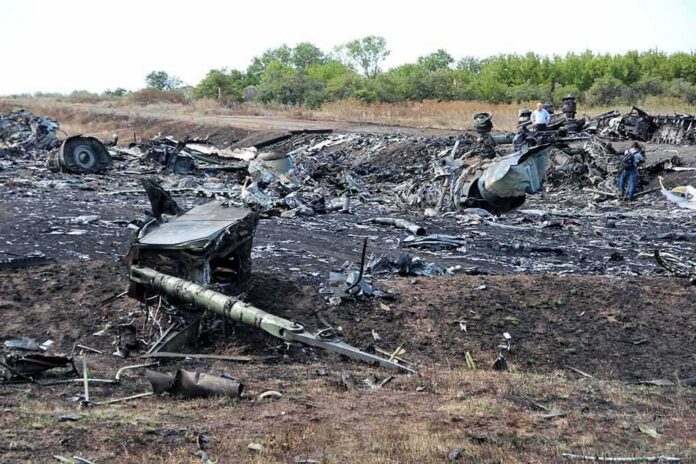
The National Park Service said a missing-aircraft report reached the Grand Canyon Regional Communications Center at about 11:30 p.m. on November 15. Rangers and state partners searched overnight. Crews found a debris field near the Basin area on the North Rim around 10:15 a.m. on November 16. The Park Service reported no survivors. Officials identified the airplane as a Piper Comanche with three people aboard. Names were withheld to notify families first.
Local and regional outlets matched those core details. Reports cited the Park Service timeline and the aircraft type. Coverage described a rugged site far from roads, which slowed access and recovery. One outlet cited a Sunday evening crash estimate, but authorities have not posted a precise time in public records. The consistent thread across reports remained the location, aircraft type, and the three confirmed fatalities.
The Overnight Search And How It Worked
Arizona Department of Public Safety pilots flew after dark and used forward-looking infrared and night-vision gear to scan the terrain. Those tools read heat and aid low-light detection, which helps in remote canyons with steep walls and cold night air. After that aerial search, park rangers located the wreckage and debris field on the North Rim. The terrain and distance from services required a careful approach for safety and evidence protection.
Grand Canyon North Rim terrain adds risk for search teams. The Basin area sits at high elevation, with sharp drops and thin, winding access. Radio coverage can fade behind cliffs. Winds can shift without warning at rim edges. These conditions slow every step after an alert, from first sweep to final scene control. The measured pace reflects a simple aim: do not add a rescue to a recovery. Agencies train for that tradeoff and follow it strictly in the canyon.
Who Investigates And What That Means Next
The National Transportation Safety Board will lead the investigation into cause. The Federal Aviation Administration will support, and the Park Service will aid with access and scene security. The National Transportation Safety Board warns that early reports are factual snapshots, not cause statements. A preliminary report usually lands in weeks and sticks to facts. Final cause findings often take many months and weigh pilot actions, weather, terrain, and the machine itself.
THREE DEAD IN PIPER COMANCHE CRASH ON GRAND CANYON NORTH RIM
A small single engine Piper PA-24 Comanche crashed on the remote North Rim of Grand Canyon National Park on the evening of November 15, killing all three people aboard.
The Federal Aviation Administration reported the…
— Sami Nathaniel (@NathanielSami) November 17, 2026
The National Transportation Safety Board process exists to prevent guesswork from hardening into myth. The agency gathers radar data, radio calls, maintenance records, and expert tests. That work matters for small aircraft in mountains, where several small factors can stack up fast. The respectful thing for families, pilots, and future passengers is patience while professionals sift evidence under clear rules and public oversight.
Why The Location Matters In Aviation Risk
High terrain changes a pilot’s margins. Air gets thinner, engines make less power, and wings lift less at the same speed. Cliffs bend winds into downdrafts that can erase a climb rate. Shadows can mask rising ground. A single-engine airplane like a Piper Comanche can fly safely there with planning and skill, but the room for error shrinks. That is why mountain flying training stresses weather checks, escape routes, and strict speed and altitude discipline.
Search and recovery teams face their own math. Helicopters lose lift at elevation. Ground crews burn time hiking in and must carry water and medical gear. Evidence must be documented before it moves. Families need answers, and the public wants them fast, but the canyon enforces its own clock. The agencies involved honored that reality with a safe search, a careful find, and a clear handoff to investigators who will now do the slow, vital work.
Sources:
nypost.com, azdailysun.com, themirror.com, knau.org, yahoo.com, ntsb.gov
© partiallypolitics.com 2026. All rights reserved.