Donald Trump’s blunt warning to Venezuela’s Nicolás Maduro wasn’t just a slip of the tongue—it was a calculated message that echoed through global power corridors, signaling America’s enduring appetite for hard-nosed diplomacy.
Story Snapshot
- Trump publicly warned Venezuela’s President Maduro not to “f*** around” with the U.S., escalating already tense relations.
- The remark reveals a return to unapologetic, high-stakes posturing in American foreign policy.
- This approach resonates with older Americans who remember leaders speaking frankly—and acting decisively—on the world stage.
- The episode forces us to confront the costs and benefits of blunt leadership when American interests are threatened.
Trump’s Profanity-Laced Warning: Context and Calculus
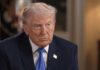
October 17 brought more than just another volley in the ongoing U.S.–Venezuela standoff. Donald Trump, never one to court ambiguity, declared that Venezuela’s President Nicolás Maduro “doesn’t want to f*** around” with the United States. The setting was classic Trump: cameras rolling, stakes high, and no filter. For Americans over 40, this wasn’t just a news flash—it was a flashback to a style of leadership many feel has been missing. Trump’s statement did more than rattle diplomatic nerves; it rekindled a debate about the power of unvarnished language as a tool of deterrence.
Trump’s supporters saw the comment as a return to the kind of straight talk that characterized American presidents during the Cold War—a time when adversaries were left guessing about just how far the U.S. might go. Critics, however, decried the remark as reckless, arguing that such language risks escalation and undermines diplomatic efforts. The truth, as usual, lies somewhere in between: Trump’s words were a deliberate signal, aimed not just at Maduro, but at any regime contemplating a challenge to U.S. resolve.
The Legacy of Blunt Leadership in American Foreign Policy
American history is littered with moments where blunt talk shaped global events. Ronald Reagan’s “evil empire” speech and Teddy Roosevelt’s “speak softly and carry a big stick” doctrine both served as warnings—and invitations—to adversaries to reconsider their plans. Trump’s latest comment fits squarely in this tradition. Older Americans, seasoned by decades of international tension, recognize that sometimes ambiguity breeds miscalculation. They remember the cost of leaders who equivocated, and the relief when presidents set clear, public boundaries. Trump’s language, while crass, provided no room for misunderstanding.
The stakes in Venezuela are not small. The country’s humanitarian crisis, its proximity to U.S. borders, and its alliances with American rivals make it a flashpoint for broader geopolitical competition. By choosing to use coarse language in a public setting, Trump forced both allies and adversaries to recalibrate their assumptions about American intentions. Whether one cheers or jeers, the effect was immediate and unmistakable: the United States would not be ignored, and Maduro was put on notice in terms that required no translation.
Risks, Rewards, and the American Appetite for Decisiveness
Bold statements carry risks. Critics warn that Trump’s rhetoric might embolden hardliners in Caracas or alienate potential international partners. Yet, history shows that timidity carries risks of its own. The 1979 Iran hostage crisis, for example, dragged on partly because adversaries doubted America’s willingness to act. Trump’s words, intentionally or not, sought to erase such doubts. Older Americans, who have witnessed the pendulum of U.S. foreign policy swing from overreach to retreat and back again, understand that strength—real or perceived—remains a currency in international affairs.
The open question is whether this kind of messaging achieves its intended effect. Does a president’s willingness to speak plainly deter bad actors, or does it simply escalate tensions? The answer, as history and common sense suggest, depends on the credibility behind the words. For many, Trump’s record suggests he meant business—after all, he oversaw military actions in Syria and brokered historic deals in the Middle East. For others, the danger lies in normalizing coarse discourse at the expense of diplomacy. The debate won’t be settled easily, but it’s a debate worth having—especially for those who remember what’s at stake when America’s adversaries start “f***ing around.”
Sources:
President Donald Trump drops the F-bomb before the cameras. It wasn’t the first time