
President Trump’s threat to militarily intervene in Iran if protesters are killed has transformed domestic Iranian unrest into a potential flashpoint for direct U.S.-Iran warfare.
Story Highlights
- Trump issued “locked and loaded” warning on January 2, 2026, threatening intervention if Iran kills protesters
- Iranian officials responded with counter-threats warning of regional destabilization and attacks on U.S. troops
- Anti-regime protests have entered sixth day, marking largest demonstrations since 2022 with at least seven dead
- Economic crisis from currency collapse and inflation sparked nationwide unrest following June 2025 U.S. bombing of Iranian nuclear sites
- Exchange represents first major diplomatic confrontation of 2026 and threatens to derail potential nuclear negotiations
Economic Collapse Triggers Nationwide Unrest
Iran’s currency crisis reached a breaking point on December 29, 2025, when shopkeepers in Tehran shuttered their businesses in protest against devastating inflation. The Iranian rial has collapsed to approximately 1.4 million per dollar, creating acute economic hardship that extends far beyond merchant communities. Students and workers across the country joined demonstrations as soaring living costs made basic necessities unaffordable for millions of Iranians.
The economic devastation stems directly from the June 2025 U.S. bombing of Iranian nuclear sites following military escalation between Iran and Israel. This military action severely damaged Iran’s nuclear infrastructure and contributed to the current political and economic instability. Iran announced it was no longer enriching uranium at any site, signaling openness to negotiations, though talks have not materialized as promised.
Violence Escalates as Protests Spread Nationwide
What began as economic protests quickly evolved into broader anti-regime demonstrations challenging Iran’s theocratic system. By January 1, 2026, a Basij paramilitary member was killed during riots in Kuhdasht, and protesters attacked a government building in southern Iran. The violence intensified on January 2 when two people died in clashes between police and protesters in Lordegan, western Iran.
Security forces have documented direct confrontations across the entire country, with social media footage showing widespread unrest. At least seven people have been killed in protest-related violence, with dozens more injured and many arrested. While these demonstrations represent the largest in Iran since 2022, they remain less widespread than the Mahsa Amini protests that gripped the nation following her death in police custody.
Trump’s Military Threat Raises Stakes
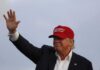
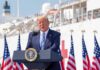
President Trump dramatically escalated the crisis on January 2, 2026, with an explicit warning that transformed domestic Iranian unrest into a potential international conflict. His statement declared: “If Iran [shoots] and violently kills peaceful protesters, which is their custom, the United States of America will come to their rescue. We are locked and loaded and ready to go.” The threat represents the most direct U.S. intervention warning since the protests began.
Iranian officials responded immediately with counter-threats designed to deter American military action. Ali Larijani, Iran’s Supreme National Security Council Secretary, warned that “US interference in this internal matter would mean destabilising the entire region and undermining American interests.” He added ominously: “The American people should know that Trump started this adventurism. They should look after their soldiers.” This exchange marks the first major diplomatic confrontation of 2026.
Regime Faces Legitimacy Crisis Amid International Pressure
President Masoud Pezeshkian, Iran’s reformist leader, finds himself caught between competing pressures as his government struggles to maintain stability. He has called for “unity, cohesion and solidarity” while warning against efforts to sow division through rumors and disinformation. However, his administration possesses limited capacity to address the fundamental currency crisis driving the unrest, constraining his ability to negotiate with protesters.
The Iranian government has distinguished between legitimate protesting shopkeepers and what it terms “disruptive elements,” suggesting regime leaders view the unrest as potentially manipulated by external actors. Officials have alleged that the U.S. and Israel are stoking the protests, providing justification for potential harsh crackdowns framed as resisting foreign interference. The government has warned of a “decisive response” to any attempt to create instability, setting the stage for potentially violent suppression.
Sources:
Trump and Iran Start 2026 Exchanging New Threats on Social Media
Iran Economic Unrest Trump Warning