One dinner reservation turned a tense vigil into a fierce fight over meaning and message.
Story Snapshot
- Mamdani joined an Oct. 7 vigil, where protesters booed and confronted him.
- His statement condemned Hamas’s war crimes and mourned Israeli loss, while citing Palestinian suffering.
- Reports say he then met Palestinian families at a Palestinian restaurant that night.
- Critics cast the dinner as a provocative signal aimed at Jewish New Yorkers.
What Happened On The Ground
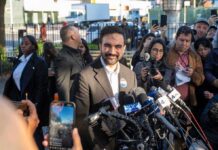
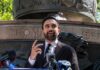
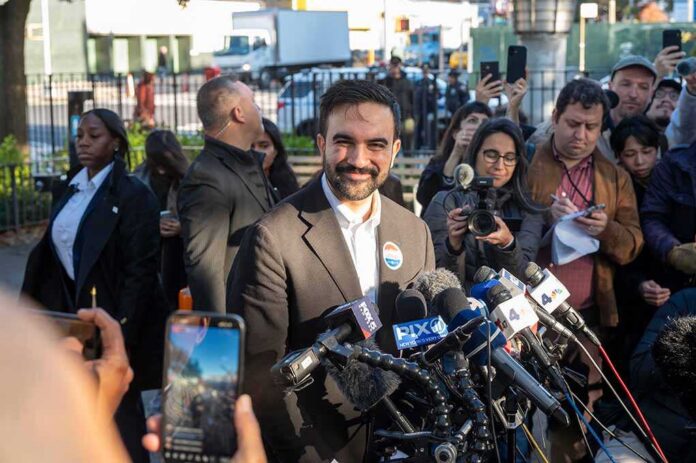
New York City Mayor Zohran Mamdani attended an Oct. 7 vigil at Union Square that marked three years since Hamas’s attacks on Israel. Protesters booed him, shouted “traitor,” and confronted him as he stood at the event. Coverage described him as not speaking at the vigil. He stood during the ceremony and then departed amid the jeers. After the vigil, press accounts placed him at Ayat, a Palestinian restaurant noted by city guides, later that evening.
Mamdani’s public statement for the anniversary condemned Hamas’s “horrific war crimes,” expressed grief with Israelis who lost loved ones, and cited ongoing Palestinian suffering from the war in Gaza. That dual focus matched the day’s schedule that included the vigil and, according to reports, a later meeting with Palestinian New Yorkers. Outlets said he met with Palestinian families at the restaurant, though they did not name attendees on the record.
Why The Restaurant Stop Lit The Fuse
Tabloid and opinion writers framed the dinner as a “clear message” to Jewish New Yorkers. They argued the timing—right after a painful vigil—made the stop look like a provocation. Townhall’s account sharpened that claim and helped drive the backlash frame. Other outlets stressed the symbolic weight of choosing a Palestinian venue that night. The combination of visual cues—boos at the vigil, followed by the dinner—made a simple story that spread fast.
Supporters pointed to reports that he met Palestinian families, not that he held a celebration. They also noted he had condemned Hamas and mourned Israeli loss in his statement, which aligns with a community-bridging agenda rather than taunting. Still, those pieces sit next to two gaps: no on-record guest list and no first-person explanation about why Ayat was chosen. That leaves intent open to inference by whichever side shouts louder.
The Double Bind Of Oct. 7 Public Grief
Public events tied to Oct. 7 have become flashpoints where each side reads the same act as solidarity or insult. Officials who try to name both Israeli and Palestinian dead often trigger anger from both directions. The Union Square vigil fit that pattern: a shared mourning event that turned into a confrontation over who defines the day’s meaning. Reporters and live blogs captured the mood swing as the crowd surged and heckled.
American conservative values stress clarity, respect for victims, and order in public life. By that yardstick, the cleanest path would have separated the vigil from any charged symbolism that night. A brief, firm statement at the site—condemn Hamas, honor Israeli victims, keep politics out—could have lowered the temperature. Then, any community meeting should have been documented, with named participants and purpose, to avoid the vacuum that speculation fills.
What The Facts Support—And What They Don’t
The timeline is not in dispute: vigil attendance, confrontations, and a later stop at a Palestinian restaurant. His written statement condemned Hamas and mourned Israeli victims while citing Palestinian suffering. Those are documented facts in mainstream and community outlets. Reports that he met Palestinian families rest on unnamed sources; they may be true, but they lack on-record confirmation. Claims that the dinner was a taunt are opinions, not verified facts.
Two things can be true at once: the dinner could have been a planned outreach meeting, and it could land as a painful symbol for grieving Jews the same night. Leaders own that second truth as much as the first. Good governance pairs empathy with foresight. On nights like Oct. 7, symbols are not dessert—they are the meal. Announce the purpose, show the guest list, and make space for grief without mixed signals.
Sources:
mediaite.com, dailywire.com, townhall.com, jta.org, nytimes.com, abc7ny.com, nymag.com, foxnews.com, jewishinsider.com
© partiallypolitics.com 2026. All rights reserved.