
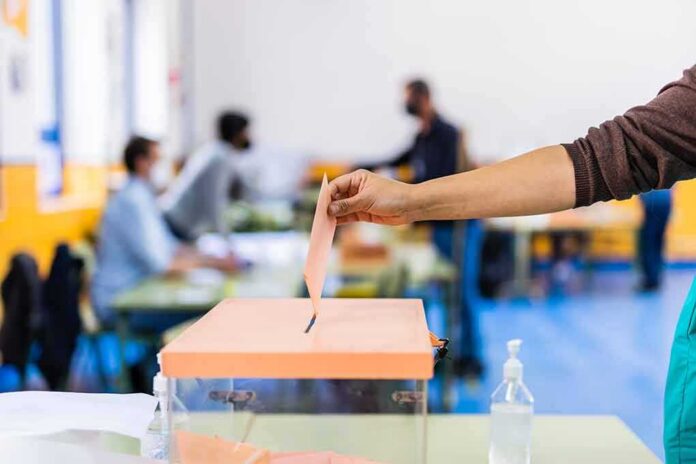
Several U.S. polling places ran out of paper ballots on Election Day, forcing voters into hours-long lines while officials scrambled to print and deliver more.
Story Snapshot
- Chicago precincts reported paper-ballot shortages and equipment failures, with voters delayed or redirected.
- Chicago’s election board activated emergency ballot-on-demand printing and deliveries.
- Kansas officials said a site that needed 1,000 ballots received only 100, prompting an urgent fix.
- Maryland officials confirmed a site lacked the correct ballots before supplies were corrected.
Confirmed shortages and slowdowns in key cities
Chicago voters met a double bind before noon: failed touchscreens and no paper backups in some precincts. NBC Chicago described people turned away or stuck in long lines in Logan Square after machines failed around 8:30 a.m. and paper ballots ran out near 11:00 a.m. Additional ballots and a touchscreen arrived later, but only after wait times stretched and tempers rose. Reports from across the city showed similar delays. The effect was clear: fewer voting options, longer lines, and real pressure on patience.
The Chicago Board of Elections publicly acknowledged shortages and moved to triage. The board said it was printing and delivering extra paper ballots and possible touchscreen machines. It implemented ballot-on-demand printing at its McKinley Park warehouse and downtown offices to speed resupply. That is the right play at halftime, not the opening drive. An election expert told local television that running out of ballots is unacceptable and that trucks should have been preloaded to surge where needed.
Kansas mismatch raises basic planning questions
Kansas officials described a stark delivery error in Linwood. A spokesperson said the site needed 1,000 ballots but received only 100. The shortfall caused delays, and some voters left before the fix arrived, according to the report. Officials said they identified the problem early, started corrections at once, and later restored normal voting at the site. Americans expect tight inventory control on something as simple as paper. A ten-to-one miss suggests planning and quality checks failed.
Maryland saw a different problem: the wrong ballot style. A polling place at Brandywine Elementary School in Prince George’s County lacked paper ballots or the correct version, creating confusion and long lines. The county’s elections administrator, Wendy Honesty-Bey, said the correct ballots were later provided. Wrong styles are not rare in complex districts, but they burn time. Each minute lost extends the line and raises the chance that working parents or seniors decide to leave.
Officials’ explanations and what they do not settle
Chicago officials pointed to precincts with multiple ballot styles, including split precincts, as hot spots for shortages. They also said higher-than-expected turnout can require extra deliveries, and they directed voters to universal voting sites while printing more ballots. That may be true and even prudent. It does not erase what voters experienced at the front of the line. The claim that “no voters were turned away” sits awkwardly next to reports of people leaving or being redirected amid delays.
Paper ballot shortages spark Election Day scramble at polling places in several stateshttps://t.co/PbGkSNGtw5
— Spreading Fox News (@SpreadFoxnews) November 4, 2026
Kansas authorities called the Linwood shortage an ordering error and say they moved fast to fix it. That explanation fits common sense and the facts we have. It also underscores a core point: competence is not optional in election logistics. Americans accept that bad actors must be deterred. They also demand that officials get the basics right. Paper, pens, and correct ballot styles are not advanced technology. They are table stakes for trust.
What conservative common sense says to do next
Start with transparency. Release precinct-level records showing ballot orders, delivery logs, inventory counts, and replenishment times for the affected sites in Illinois, Kansas, and Maryland. Post after-action reports within thirty days. Set minimum on-hand paper ballot levels tied to registered voters, with a cushion for late surges, and publish the formula before Election Day. Require pre-staged surge supplies within short-drive depots, with time-stamped dispatch logs audited after polls close.
Back it with accountability. If a vendor packed 100 when 1,000 were needed, replace the vendor. If internal forecasts missed clear signals, retrain or reassign. If complex ballot styles drove errors, simplify precinct design or harden the chain-of-custody checklist. Most important, measure impact. Compare check-in logs, provisional usage, machine logs, and turnout at affected precincts with similar ones. Count how many voters left lines before ballots arrived and report that number publicly. Voters can forgive a storm; they will not forgive a shrug.
Sources:
foxnews.com, abc7chicago.com, blockclubchicago.org, themirror.com
© partiallypolitics.com 2026. All rights reserved.