America’s most valuable chipmaker just became a front line in a quiet spy war.
Story Snapshot
- House Republicans asked Jensen Huang to brief them on ties to a woman U.S. officials linked to Chinese intelligence.
- Huang agreed to testify in a closed-door setting after lawmakers floated a subpoena.
- NVIDIA opened an internal probe after media reports and an admitted extramarital affair.
- Huang and NVIDIA deny sharing sensitive data; China rejects the spy claim as a smear.
Why Congress Wants Huang in the Chair
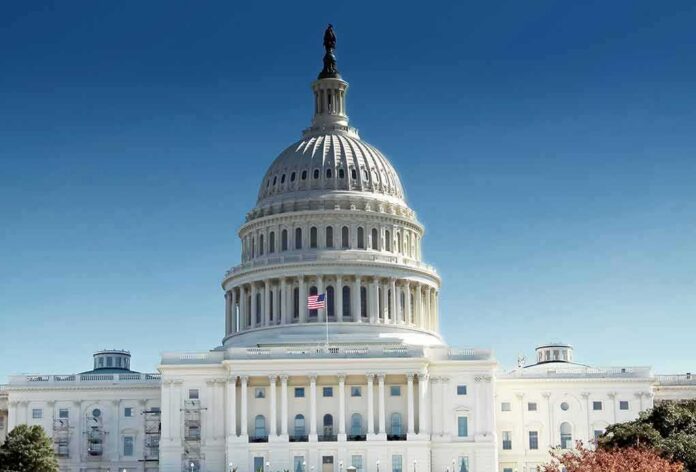
House Foreign Affairs leaders asked Jensen Huang to brief Congress behind closed doors about his interactions with Alice Huang and the company’s safeguards against espionage. The request followed reports that U.S. officials assessed Alice Huang as tied to China’s Ministry of State Security, and that she developed a close relationship with him. Lawmakers framed the session around national security oversight, not tabloid drama. They also signaled a subpoena was on the table if he declined.
The scope reaches beyond personal questions. Members sought details on how NVIDIA protects advanced chip designs, sales channels, and customer vetting from foreign intelligence risks. This connects directly to current export-control policy that treats third-country diversion, rentals, and intermediaries as red flags for leakage to restricted end users. That is not theoretical. It is the daily grind of counterintelligence in the chip supply chain.
What Is Known, What Is Alleged, and What Is Missing
The New York Times reported that U.S. officials concluded Alice Huang acted as a Chinese intelligence asset and that she was close to Huang. The BBC summarized those claims and the congressional ask for a briefing. Huang admitted an extramarital affair in general terms, and NVIDIA launched an internal investigation after the reports. None of this proves he knowingly aided an intelligence service, and public reports have not shown such proof. That gap is exactly why committees want sworn answers.
Huang and NVIDIA strongly push back. He says he did not know she was a spy. He describes their interactions as normal business. NVIDIA says customers like her firm received only ordinary commercial information, not secrets or anything tied to national security. The company’s board said it has no reason to believe national security or NVIDIA secrets were compromised. China’s Foreign Ministry calls the allegation unsubstantiated and a smear. Those positions will face scrutiny under oath, which is the right forum.
The National-Security Stakes Run Through the Supply Chain
Advanced chips are not just parts; they are power multipliers for surveillance, cyber, and weapons. Washington tightened rules to stop workarounds like third-country resellers, cloud rentals, and shell buyers. The Commerce Department expanded controls and penalties to close those gaps. Congress has flagged repeated schemes that route chips through places like Singapore or Malaysia before landing in China. Lawmakers want to know whether NVIDIA’s controls can withstand that pressure, and whether any personal ties created soft spots.
Jensen Huang is out. But is this really a so-called “Chinese spy” scandal, or is Washington facing a scandal of its own?
The man who built Nvidia into the backbone of the global AI revolution has been forced out. After 33 years, Huang is gone.
And the timing raises some…— Shamim Zakaria (@shamimzakaria) November 12, 2026
Common sense says two things can be true at once. A personal lapse can be private and shameful. It can also open doors for influence. The conservative test is simple: protect the nation first, even when the targets are rich, famous, or “too big to fail.” Congress needs a clean record on warnings given, meetings held, data shared, and deals approved. If systems worked, prove it. If they failed, fix them fast and in public view where possible.
What Answers Congress Should Lock Down
Members should secure a classified briefing on the intelligence assessment that linked Alice Huang to Chinese intelligence, including dates and any warnings delivered to NVIDIA leadership. They should review internal investigation mandates, findings, and remedial steps to test independence and rigor. They should examine sales, distributor contracts, and end-user checks for firms tied to Alice Huang, looking for diversion patterns or cloud rentals that mask access to controlled chips.
They should also compare NVIDIA’s lobbying and policy positions on China-related controls before and after any government warnings. If positions shifted, get the emails and memos that explain why. Then, verify the frequency, location, and content of meetings between Huang and Alice Huang using calendars and device records, with privacy safeguards. This is not a fishing trip. It is a national-security audit with defined questions and a clear finish line.
The Bottom Line for Markets and Policy
NVIDIA sits at the heart of America’s artificial intelligence edge. That makes the company both a crown jewel and a target. Congress is right to separate personal failings from security risks, then test the link with documents and testimony. If the facts match Huang’s and NVIDIA’s statements, say so and move on. If not, tighten controls, reinforce corporate guardrails, and hold people accountable. Deterrence works best when everyone knows the rules and expects them to be enforced.
Sources:
facebook.com, fidelity.com, bbc.com, centraloregondaily.com, newsweek.com, pbs.org, marketscreener.com, people.com, govinfo.gov, nextgov.com
© partiallypolitics.com 2026. All rights reserved.