The left didn’t just win headlines in New York; it quietly seized the machine that makes them.
Story Snapshot
- Mamdani’s mayoral win reset New York’s map and pulled primaries left [1][3].
- Youth voters surged for Mamdani, shifting turnout and power centers [6].
- Ranked-choice primaries rewarded coalition builders, not just ideologues [4].
- Victories spark backlash over turnout, Israel policy, and business flight [5].
How Mamdani’s Win Became A Primary Machine
Zohran Mamdani took City Hall with just over half the vote and a first-in-history label that matters to identity and turnout. Age, faith, and a new coalition made the story bigger than one race. National outlets framed the result as a changing of the guard in the country’s most watched city [1][3]. The aftershock landed in June primaries. Candidates tied to Mamdani’s message and ground game advanced, suggesting his brand travels well across districts with different demographics and media markets.
Primary nights deliver the sharpest tests of a mayor’s coattails. Early returns and network calls showed Mamdani-aligned progressives topping incumbents and party favorites, fueled by a field strategy that prioritized voters who rarely pick up the phone. That approach mirrors his own ranked-choice path: first-choice strength paired with broad second-choice appeal. The lesson is basic but powerful: build a floor with values and a ceiling with deals. In a ranked-choice town, that wins elections [4].
Youth Surge: The Coalition No One Can Ignore
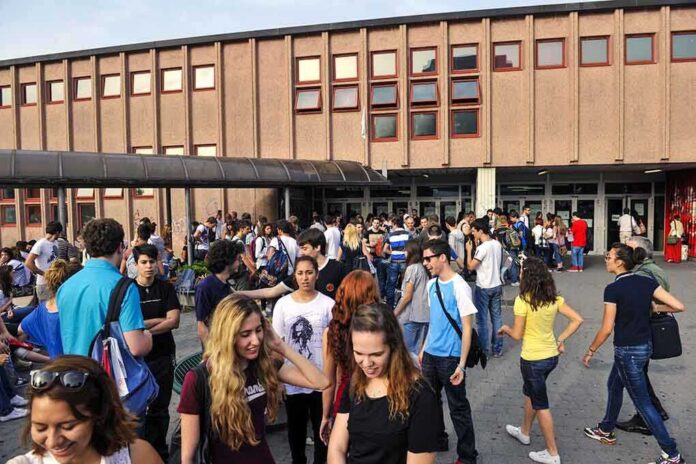
Voters aged 18 to 29 broke hard for Mamdani and showed up more than models expected. Analysts pegged his youth support at three out of four voters in that group, and they revised turnout estimates upward by nearly half, from the high teens to the high twenties [6]. That shift matters more than a single win. Campaigns now must speak to rent, safety, Gaza, and debt with clarity and proof. Any party plan that sidelines youth preference will bleed support in primaries where a few thousand votes decide the map.
Older voters still dominate many districts, and their preferences lean moderate. But a bloc that delivers three of four votes to one message forces change. Smart campaigns will translate that energy into neighborhood fixes: faster permits, cleaner streets, cheaper transit, and real mental health beds. That is how you keep new voters while holding longtime residents. It also aligns with conservative common sense: show outcomes, guard budgets, and measure every promise with data.
The “Sweep” Claim Meets Math And Memory
Critics argue the mandate looks thin. Mamdani cleared fifty percent in a city of nearly nine million, which means a small slice of the total population actively chose him. That frame will repeat in every column and ad, because it stings and sounds fair. It also came with scrutiny of his stance on Israel and police, including moments where he walked back rhetoric. Those shifts raise questions about where conviction ends and coalition begins, and whether that balance holds in crisis [5].
Darializa Avila Chevalier Wins NY-13 Democratic Primary
Darializa Avila Chevalier, a 32-year-old Democratic socialist, community organizer, and PhD student at CUNY (Columbia University graduate), defeated five-term incumbent Rep. Adriano Espaillat in the June 23, 2026,… pic.twitter.com/BTKRyE6v48
— News Picks Daily (@NewsPicksDaily) June 24, 2026
Supporters answer with results, not vibes. They point to a field army that keeps growing and a party left that now wins in places it once only protested. They cite concrete wins by Mamdani-backed contenders for Congress and local posts, which strengthens the “ideas plus organization” case. The safer reading lands in the middle: insurgents now control the on-ramps to power, but broad legitimacy still hinges on turnout, service delivery, and calm handling of public safety and schools [11][13].
Ranked-Choice Mechanics And The Ground Game Arms Race
Ranked-choice voting rewards candidates who can be many voters’ acceptable second choice. Mamdani won his primary after leading first-choice ballots but sealed it on transfers. That is not a trick; it is a system designed to favor consensus builders who do not alienate large groups. Campaigns that ignore second-choice cultivation will keep losing to neighbors who host tenant meetings, small-business roundtables, and faith forums with equal care and follow-up [4].
Grassroots claims now face a new test: receipts. Skeptics want proof on door-knocks, volunteer counts, and small-dollar support. That pressure is healthy. Movements that publish verifiable numbers will outlast hype cycles. It also fits a conservative value: transparency disciplines power. If Mamdani’s network can keep that standard while delivering cleaner streets, shorter commutes, and lower energy bills, the “sweep” turns from headline into habit. If not, turnout math will catch up fast.
What Breaks This Open Or Brings It Back To Earth
Three storylines decide what comes next. First, youth enthusiasm needs governance wins that show up on the block within months, not years. Second, business climate debates must move from slogans to audits that track jobs opened, leases signed, and taxes paid. Third, foreign policy flashpoints will test unity inside the coalition; clear, consistent language avoids self-inflicted wounds. The side that marries moral clarity to measurable results will own the next primary map [6].
For readers asking what matters to their wallet and street: watch hiring in service and logistics, police response times, commute reliability, and classroom attendance. Those numbers will tell you if this was a weather event or a climate shift. If they improve, voters will forgive rough edges. If they sag, the city’s famed pendulum will swing back on schedule. That is not ideology. That is New York.
Sources:
[1] YouTube – Mamdani-backed candidates sweep Democratic primaries in New York
[3] YouTube – Zohran Mamdani wins New York City mayoral election | BBC News
[4] Web – 2025 New York City mayoral election – Wikipedia
[5] Web – Ranked choice voting in New York City’s 2025 primaries – FairVote
[6] Web – Zohran Mamdani wins New York City mayoral election – BBC
[11] Web – Democratic Socialists of America – Wikipedia
[13] Web – Democratic Socialists of America – Wikipedia
© partiallypolitics.com 2026. All rights reserved.