A mayor said “ban guns,” and the room exploded because the shootings are about much more than a slogan.
Story Snapshot
- St. Louis Park Mayor Nadia Mohamed urged a gun ban to stop Somali gang shootings.
- Twin Cities law enforcement described a surge of gang-linked shootings among Somali youth.
- Sheriffs proposed a regional gang task force and targeted enforcement, not a blanket ban.
- Second Amendment advocates argued a ban punishes the lawful and misses illegal gun channels.
What The Mayor Said And Why It Lit A Fire
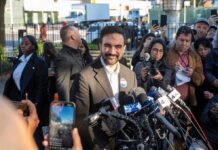
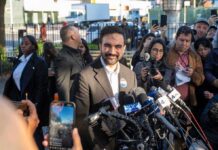
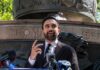
St. Louis Park Mayor Nadia Mohamed posted an Instagram video after a wave of shootings tied by police to gangs with East African and Somali members. She said the simple fix is to ban guns, framing it as the direct way to end the violence. Conservative outlets amplified the clip and her quote spread fast. The message landed in a moment of fear, but also in a policy space where broad bans meet hard limits in law and in practice.
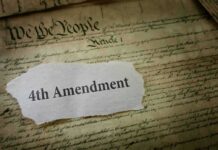
The push drew cheers from gun-control supporters and scorn from gun-rights advocates. Critics said the focus should be on the people pulling triggers, not the millions who follow the law. They argued that the Constitution protects gun ownership and that criminals already use illegal channels to arm themselves, so a ban would miss the mark while burdening the law-abiding.
What Police Are Actually Fighting On The Ground
Regional law enforcement described a string of shootings tied to youth gangs with Somali and East African ties. They called for a coordinated response across city lines, stressing intelligence sharing, focused arrests, and direct outreach to high-risk youth. Officials said the violence clusters in small networks. That pattern matches research that shows gang members are much closer to guns through social ties and illicit markets than the average citizen.
Ramsey County Sheriff Bob Fletcher’s team has spoken of about a dozen Somali-identified gangs with a few hundred members, underscoring how a small group can drive fear across a metro area. Some Somali-American leaders pushed back on broad labels, warning about stigma. Others in law enforcement insisted naming the problem helps direct resources to the small set most responsible.
The Policy Fork In The Road: Ban Guns Or Target The Shooters
Advocates for a ban frame it as a fast lever: remove guns, reduce shootings. That view treats access as the core driver. The counter-case from gun-rights leaders and many police is that most gang guns come through illegal trades, straw buyers, and theft, not legal retail. They say a ban would not close those pipelines and would invite a larger black market, while responsible owners lose rights.
Law enforcement proposals in the Twin Cities tilt toward targeted enforcement. Sheriffs called for a regional gang task force and tighter focus on repeat violent offenders. That approach lines up with studies that show small networks drive a large share of shootings, and that narrowing illegal supply and pressure on the highest-risk actors can move the numbers faster than broad, symbolic laws.
What Aligns With Conservative Principles And Common Sense
American conservative values prize individual rights, local accountability, and equal justice under law. On those terms, a citywide or statewide gun ban looks blunt and misdirected. It risks punishing people who follow the law while the worst actors tap the same illegal channels tomorrow. A better fit is precise: identify the few who shoot, disrupt their gun sources, and deliver real consequences for carrying and using illegal guns.
That path demands work, not slogans. It means a cross-jurisdiction task force, data-driven lists of repeat offenders, strict follow-up on probation, and fast prosecution for gun felons. It also means outreach that cuts off the next feud before it starts. The math is clear in the Twin Cities briefings: the violence is concentrated; the response must be too.
Sources:
thegatewaypundit.com, youtube.com, dailywire.com, fox9.com
© partiallypolitics.com 2026. All rights reserved.