Trump says he stopped a strike on Iran after a sudden push for a deal, but the public record still leaves one question hanging: was this diplomacy, or just a pause with better optics?
Quick Take
- Trump said he canceled planned strikes on Iran because talks had moved fast and reached Iran’s top leadership.
- He also said Gulf and Middle Eastern leaders asked him to hold off.
- Several reports repeat Trump’s account, but no supplied source shows a signed U.S.-Iran peace deal.
- Tehran did not confirm the broad claims of progress in the reports provided.
What Trump Said
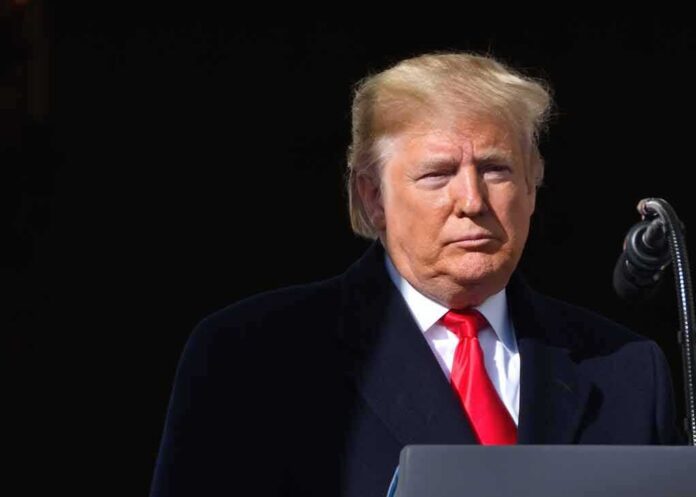
President Donald Trump announced that he had called off planned military strikes against Iran and tied the move to progress in negotiations. In the supplied reporting, he said talks had reached the “highest level” of Iranian leadership and that the final points of a deal had been approved. He also framed the pause as conditional, saying the attack could still come back if a deal did not move quickly.
The wording matters because it shows a leader trying to turn a threat into leverage. That is not the same thing as peace. Trump’s message, as summarized by multiple outlets, was not a finished settlement. It was a claim that the pieces were close enough to stop the bombing for now while diplomacy kept moving.
Why Regional Pressure Mattered
Trump also said he acted after requests from countries in the Middle East, including Qatar, Saudi Arabia, and the United Arab Emirates. That detail gives the story its most interesting twist. If accurate, it means the pause was not only about talks with Iran. It was also about regional leaders trying to keep the conflict from widening into a larger war.
Still, the supplied record relies mostly on Trump’s own description of those requests. It does not include strong on-the-record endorsements from those governments approving the exact terms he described. That leaves room for a softer reading: regional leaders may have wanted time and calm, not necessarily the full package Trump implied.
What the Reporting Confirms, and What It Does Not
The reporting does confirm that Trump made the cancellation claim publicly and that the story spread quickly through major outlets. Reuters later reported that the Pentagon suspended the bombing campaign and that no U.S. attacks were reported over the following two days. That supports the idea that this was not just bluster. Some kind of operational pause appears to have followed the announcement.
What the record does not show is equally important. The supplied sources do not include a signed agreement, a joint U.S.-Iran statement, or a treaty text proving that both sides had locked in final terms. One report also says Iranian officials rejected the idea that there had been meaningful progress. That is a sharp reminder that “close” in diplomacy can still mean far from done.
The Bigger Political Pattern
This episode fits a familiar pattern in crises with Iran. Public threats come first. Then comes a pause, which is presented as proof that talks are working. The trouble is that the first version of the story often arrives as a presidential post, while the hard evidence arrives later, if it arrives at all. That gap invites spin, suspicion, and rival narratives.
Trump says he will order halt to Iran strikes after outlines of deal to end war reached: https://t.co/mjMtNGrmSS pic.twitter.com/7onIHobokP
— ksprnews (@ksprnews) August 2, 2026
For readers trying to separate signal from noise, the safest reading is simple. Trump did not claim quiet success. He claimed an active, fragile opening, with strikes off the table only if a deal advanced fast enough. The headline event is real: planned strikes were called off. The unresolved part is whether the pause marked the start of peace, or only a brief stop in a larger showdown.
Sources:
redstate.com, bbc.com, nbcnews.com, pbs.org, youtube.com, bloomberg.com, washingtonpost.com, cbsnews.com, apnews.com
© partiallypolitics.com 2026. All rights reserved.