President Trump told Nvidia’s Jensen Huang he shouldn’t plead the Fifth before Congress, while also saying a pardon was on the table if needed.
Story Snapshot
- Trump said Huang does not need the Fifth before Congress
- White House backing followed U.S. assurances Huang isn’t a security threat
- Commerce blacklisted Megaspeed over diversion risks as Huang returned
- Congress still wants answers on export-control compliance
What Trump Said And Why It Landed With A Thud In Washington
Trump said, “I don’t think he needs to take the Fifth,” and signaled he would pardon Huang “if necessary.” That pairing thrilled Nvidia investors but raised legal eyebrows. A pardon tease admits risk while claiming innocence. That split message fuels critics who see political cover for a star CEO. On conservative grounds, urging open testimony is right. Americans deserve straight answers. The smarter path is simple: tell the truth, and don’t reward bad actors if facts say otherwise.
Nvidia’s board brought Huang back the same week the government moved against Megaspeed, a key player in the chip-diversion storm. The Bureau of Industry and Security put Megaspeed and affiliates on the Entity List for significant diversion risk. That verdict flags the network around Nvidia as a national-security concern, even as officials reportedly assured Nvidia that Huang himself posed no threat. Those two tracks—support for Huang and a blacklist—made the politics messy fast.
Why Huang’s Return Was Framed As Essential For The Economy
Trump told Nvidia’s board he felt “very strongly” about Huang’s leadership and offered assurances on security risk. The board then reinstated him as chief executive officer. Supporters argue Nvidia’s lead in graphics chips and data-center systems drives jobs, markets, and national strength. That case has weight if the facts clear Huang. Markets seemed to agree, rallying on the decision. But sound policy says growth and guardrails must move together, not one after the other.
The New York Times reported Nvidia received confirmations from senior U.S. officials that Huang was not a national-security threat. That helped unlock his return and calm investors. Still, the public has not seen the underlying assessment or who signed off. Without names or documents, critics can, and will, fill the gaps. If the White House wants confidence, it should push for a declassified summary so Congress and the public see the basis for those assurances.
Congressional Heat: Real Oversight Or Political Theater?
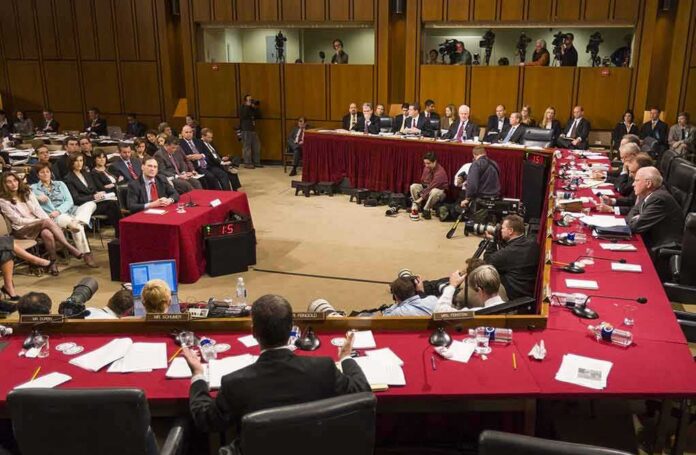
Committees called Huang to brief on export controls, China risk, and chip flows. Lawmakers pointed to Megaspeed’s role and reporting on suspected smuggling routes. They want Huang under oath on what he knew, when he knew it, and what he did about it. That demand is fair. Being asked to testify is not proof of guilt. It is how government tests facts. If Huang has the receipts—emails, audits, compliance alerts—now is the time to bring them forward.
Here is the core clash. Commerce’s blacklist order framed Megaspeed as a diversion risk, yet reporting identified no charge against Huang. The gap leaves room for two truths at once: the network looked dirty, and the top executive may not have signed off or even known. Good oversight can separate rumor from record. If Congress finds willful blindness or worse, consequences should follow. If not, move on and tighten export enforcement where it failed.
Fifth Amendment, Pardons, And The Conservative Test
Advising a witness to skip the Fifth reads strong, but it carries risk. If investigators hold facts the public has not seen, one stray answer can set a legal trap. The better standard is this: tell the truth, assert rights when a clear risk of prosecution exists, and accept immunity or other lawful tools if offered. A pardon floated ahead of testimony muddies that process and makes any later clemency look like favoritism, not justice.
🚨 JUST IN: PRESIDENT TRUMP SIGNALS HE WOULD BE OPEN TO PARDONING NVIDIA CEO JENSEN HUANG “IF NECESSARY” — BUT MAKES IT CLEAR HE DOESN’T EXPECT IT TO COME TO THAT!
President Trump has publicly expressed strong confidence in Nvidia CEO Jensen Huang, saying he believes the tech… https://t.co/WwhleVZgof
— De best (@BestLove1716307) November 25, 2026
Policy should not hinge on vibes. Three steps would clean the air fast. First, produce a declassified summary explaining why officials judged Huang not a threat, even as Megaspeed was blacklisted. Second, put Huang under oath with documents on sales, end-user checks, and internal alerts. Third, publish an after-action report on how export controls missed any diversions and how to stop repeats. That is how you protect markets, punish bad actors, and keep America’s lead in chips.
Sources:
mediaite.com, techcrunch.com, aljazeera.com, bbc.com
© partiallypolitics.com 2026. All rights reserved.