
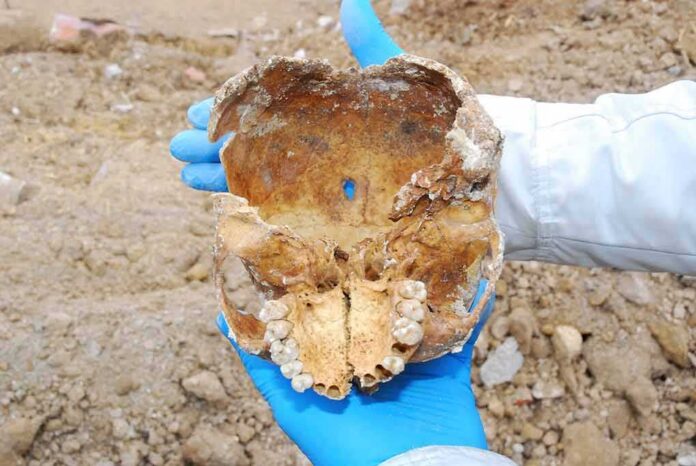
Eight Inca child mummies still carry the chemistry of coca, corn beer, and a jungle alkaloid on their hair and nails—and that sober data slices through modern myths about “noble” ritual.
Story Snapshot
- Every mummy tested showed coca-plant markers in hair, not modern cocaine.
- Several children had alcohol byproducts tied to fermented corn beer known as chicha.
- One girl, the “Lady of Ampato,” carried harmine linked to ayahuasca plants.
- Drug exposure varied by child and region, pointing to different ritual playbooks.
What the science actually found in the children’s hair and nails
The Antiquity study analyzed eight high-altitude Inca child mummies from Peru and Argentina. Researchers detected cocaine and benzoylecgonine in hair from all eight, which indicates coca-leaf exposure, not modern processed cocaine use. Two mummies showed cocaethylene, which forms when people consume coca and alcohol together, and reporting notes alcohol markers in about half the sample, consistent with fermented corn beer known as chicha. These findings match known mountain sacrifice sites and the broader capacocha context.
One individual, the famed Lady of Ampato, showed harmine in her nails. Harmine links to plants used in ayahuasca-related brews. The study does not prove a full ayahuasca drink or dose, but it establishes real exposure to a plant carrying that compound. Hair and nail analysis let scientists see timing windows before death. Signals rose closer to the final days or weeks, which supports preparation before the mountaintop rite rather than random background use.
What varied and why that matters for meaning
The dataset points to variety, not a one-size imperial script. All eight children had coca markers, yet alcohol exposure and the harmine signal appeared only in some cases. That spread implies different regional customs, different sacred mountains, or different roles within the same larger ceremony. Major coverage echoes that reading: coca looked near universal while other intoxicants were selective, shaped by local cults and traditions instead of a single imperial checklist.
That variation tracks with prior work on capacocha. The practice joined religion with statecraft during the Inca rise. Scholars link high-peak burials to tight social control over new lands. They describe a ritual that was holy, political, and public all at once. The toxicology does not settle motive, but it reinforces an organized system that prepared chosen children for a visible, state-linked sacrifice at the roof of the Andes.
What the evidence does not claim—and where media hype goes wrong
The chemistry proves exposure. It does not prove sedation as the aim, a standard dose, or that any drink was a modern-style ayahuasca brew. Even the Ampato harmine result cannot alone define the recipe, quantity, or effect on the child’s mind and body. Some outlets race to “drugged” headlines. The stronger reading stays close to the lab bench: coca across the board, alcohol in several, a single harmine-positive case, and signals that ramped up near the end.
Analysis of hair and nails from the mummies of children sacrificed by the Inca shows they were given coca, alcohol, and ayahuasca before the sacrifice.
"How do you get a child to climb a mountain to be sacrificed? Researchers may have found part of the answer in a strand of hair… pic.twitter.com/sWOTC2sVjd
— LiorLefineder (@lefineder) November 17, 2026
One more caution helps keep the story honest. Much narrative about the ritual comes from Spanish chroniclers. No direct eyewitness account survives. Researchers warn those texts carried a European Catholic lens and missed things we wish they had asked. That does not blunt the chemical facts in these bodies. It does remind us to resist filling gaps with romance or rage. Let the tested hair and nails do the talking on exposure and timing, and keep motive claims tight.
What common sense and American conservative values draw from this
First, face facts without flinching. A great empire sacrificed children. The bodies bear coca, alcohol, and, in one case, harmine. That is not a smear; it is the record. Second, reject selective history. Thanksgiving debates often drift into costumes and slogans. Real respect starts with truth, even when it hurts. A culture can hold beauty in art and skill and still have grave sins. Mature nations tell the whole story and teach it to their children.
Third, defend evidence over ideology. The study’s careful claims deserve careful reading, not clickbait. Do not confuse coca markers with modern cocaine. Do not turn one harmine hit into an empire-wide ayahuasca program. Guardrails like these protect science from zeal and keep memory anchored in proof. That is how you honor victims and keep modern policy moored to reality, not fashion. Facts first. Always.
What to watch next in the research
Better answers need replication and context. Independent labs can re-test archived hair and nails. Archaeologists can search textiles, vessels, residues, and surrounding soils for plant fingerprints, maize markers, and brewing microbes. Finer hair segments can tighten timelines and model doses at altitude. A broader sample across the Andes can show how far patterns spread. Step by step, that work can trace how faith, power, and logistics shaped a ritual that still chills the spine.
Sources:
thegatewaypundit.com, cambridge.org, people.com, edition.cnn.com, phys.org
© partiallypolitics.com 2026. All rights reserved.