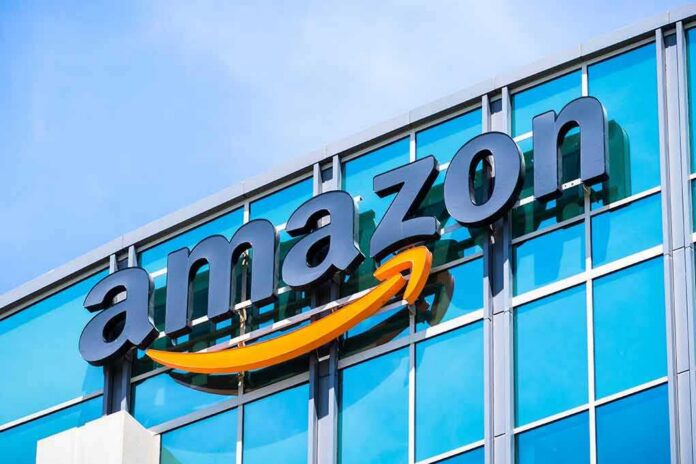
Amazon flashed a $5 warning at New Yorkers, and now the city’s delivery model is on trial.
Story Snapshot
- Amazon told New York City shoppers each order could cost up to $5 more if a delivery bill passes.
- The company says more than 40 local contractors and over 5,000 jobs could be at risk.
- City leaders argue the law adds licensing and safety rules, not a $5 fee.
- The clash tests whether big firms must directly employ drivers who wear their logos.
What Amazon Put On Your Screen And Why It Matters
Amazon pushed customer alerts saying a proposed New York City delivery law could add up to $5 to each order. The company ties that to forced changes in how it hires drivers, new training rules, and licensing costs. The bill does not write a $5 fee into law, but Amazon says the math still lands on your receipt. The message is blunt: change the rules, and delivery gets pricier or slower, or both.
Amazon also named stakes beyond prices. A spokesperson warned that more than 40 small delivery businesses working its routes in the city, and the 5,000-plus New Yorkers they employ, could lose contracts under the bill. The threat is specific and local, which is why it hit nerves with small operators who bought vans, hired teams, and built their plans around Amazon routes since 2018.
What The Delivery Protection Act Would Actually Do
The Delivery Protection Act would require last‑mile facilities to get city licenses, meet safety and training standards, and be accountable for quotas, routes, and schedules that affect working conditions and public safety. Supporters say it would also make companies directly employ workers who perform core services, like delivery, rather than push that duty to contractors while keeping control over the work.
Council backers frame it as common sense: basic rules, a small biennial license fee, and clear responsibility tied to who sets the pace and manages the tech. They reject the idea that it equals a $5 tax on customers. They point out that Amazon did not publish a model that shows how the company reached that number, which makes the warning sound like a pressure tactic, not a cost sheet.
The $5 Question: Cost Model Or Corporate Muscle?
Here is the rub. The bill adds duties but no named $5 charge. Amazon says new payroll, benefits, compliance, and training would force a shift away from cheaper contractor deals, pushing per‑order costs up. City leaders counter that the company is choosing to treat worker safety and clear accountability as a “junk fee” and using its checkout page to lobby voters. On the narrow fact, the law itself imposes no $5 surcharge.
Conservative common sense takes a hard look at incentives. If lawmakers force a firm to replace outside vendors with direct hires, costs usually rise. Wages, benefits, and oversight are real money. The question is not whether costs go up, but by how much and who pays. Without Amazon’s model, the $5 number is a claim, not proof. But dismissing higher costs outright also ignores how payroll works in the real world.
Jobs On The Line, Or Just Jobs Rebadged?
Small delivery company owners say their firms could vanish if Amazon must employ drivers itself. One owner said about 180 workers at his company could lose work overnight if contracts die. Amazon says more than 40 such companies face that cliff. City officials reply that the goal is not job loss but direct accountability, and that the bill will be crafted to avoid price hikes and protect jobs. Both cannot be right at the same time.
NYC Law Threatens Survival of Black-Owned Delivery Businesseshttps://t.co/Noel73HfE3
Hence why the National Urban League opposes the ridiculous bill.
NYC “Delivery Protection Act” Puts Small Businesses, Jobs and Affordable Delivery at Riskhttps://t.co/FgSf1n9M9v #
— @thomasrogersues (@thomasroge51338) November 20, 2026
The open question is transition. Do contractor drivers lose jobs, or do they get offers to join as direct employees with steadier hours and benefits? Supporters argue that tying responsibility to the company that sets routes will cut injuries and improve safety on crowded streets. Critics warn that sudden reclassification can shrink flexibility, slow deliveries, and push business to cheaper suburbs, even if no one says “relocation” out loud.
What New Yorkers Should Watch Next
First, watch for the cost math. If Amazon releases its assumptions, New Yorkers can judge whether $5 is a scare number or a fair estimate. Second, watch amendments. If the City Council keeps delivery partners but adds licenses, training, and audits, then the harshest outcomes may fade, and the bill becomes a standards law, not a restructuring law. Third, watch jobs. Track how many contractor drivers get firm offers and how many routes move to facilities outside city lines.
Bottom Line
Amazon raised the stakes by warning you at checkout. The City raised the stakes by saying the bill makes streets safer and companies answer for the workers who deliver under their brand. Voters do not need slogans; they need numbers and a plan. Publish the cost model. Publish the transition path. If the bill protects workers without taxing consumers, prove it. If Amazon says deliveries cost more under direct employment, show the math and own the choice.
Sources:
abc7ny.com, newsnationnow.com, amny.com, earthjustice.org, reshapingwork.net
© partiallypolitics.com 2026. All rights reserved.