Hundreds of migrants left Tapachula and began marching north, demanding papers to work and permission to move after months stuck in Mexico’s asylum backlog.
Story Snapshot
- About 500 people departed Tapachula near the Guatemala border to press for legal documents.
- Participants said they waited months without answers and could not find steady work while stuck.
- Mexico’s strategy keeps most asylum seekers in the south, building pressure that sparks group marches.
- Some may seek options inside Mexico rather than risk the long trip to the United States.
Caravan forms after months of waiting in Tapachula
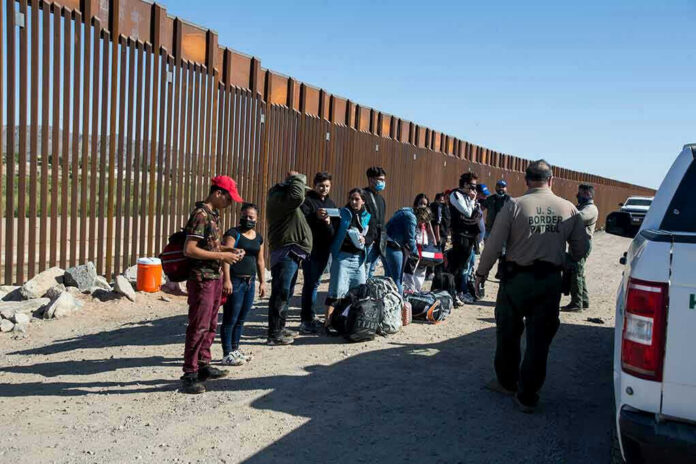
Reporters on the ground counted roughly 500 migrants moving out of Tapachula, the main city just north of the Guatemala border. They marched to protest long lines and stalled paperwork, and to request documents that let them travel to cities with jobs. The group’s size fits a familiar pattern: when people wait too long for a response and cannot work, they band together to move. Many carried signs asking for a chance to earn and live in safety.
Tapachula has become a holding pen. Mexico channels most new arrivals there, then slows movement with limited travel permits and long asylum queues. Families sit for months with no clear next step. Workers cannot get formal jobs without status. Savings run dry. Shelters overflow. When the dam of delays holds too long, the pressure breaks in the same way: a northbound march that aims less to rush a border than to escape limbo.
Why people marched now: papers, work, and time
Marchers told reporters they need legal documents to move to where jobs exist and to avoid detention on the road. Some said they had waited three or four months without answers from Mexico’s asylum office. Others said they cannot support their kids while stuck in the south, where the labor market is thin and wages are low for informal gigs. The ask is simple: process the cases or at least allow travel to cities that can absorb workers while cases proceed.
Mexico’s asylum and regularization system struggles with volume. Advocates and aid workers describe Tapachula as a city of “forced waiting,” where people must start cases but cannot leave while they are pending. That legal bind, plus scarce jobs, makes family budgets collapse. This is not a one-off event but a recurring cycle. Caravans grow from this cycle, not from secret planners. They are a blunt, public way to move without getting picked off alone on the highway.
What happens next on the road north
Mexican authorities often split caravans by offering transfers, processing steps, or by stopping groups at checkpoints. Some people accept rides inland to finish paperwork. Others turn back. Many never reach the United States border. Recent small caravans were dispersed, and observers say this one could face the same roadblocks. Still, each march forces officials to respond. It also puts people back into view, which can speed a few cases or unlock limited travel documents.
A small migrant caravan is currently traveling north through southern Mexico, but its size and status are very different from what the viral post claimed.
While the social media post used dramatic language to describe a massive "flood" of people, official reports clarify the…— Donna Solomon (@DonnaSo27678818) September 29, 2026
Several migrants now say the goal is legal status and work in Mexico, not only a push to the United States. That shift reflects tighter rules and high risks further north. People want stability more than headlines. They want to stop moving and start earning. When authorities give narrow channels, crowds look for wider ones. A caravan is not a solution. It is a flare that says the system below is jammed and real lives are stuck in the traffic.
Policy signals and a common-sense read
Mexico’s containment strategy aims to keep order by holding people in the south. The result often backfires. Concentrating thousands in one city without work or timely answers invites unrest and repeat marches. A practical, conservative fix starts with clear rules, predictable timelines, and enforcement that focuses on smugglers, not families waiting in line. Faster case sorting, legal avenues to work while cases are pending, and transfers to job centers would cut the need for street protests.
Sources:
facebook.com, aljazeera.com, apnews.com, newsday.com, schoolsforchiapas.org, foxnews.com, krgv.com
© partiallypolitics.com 2026. All rights reserved.