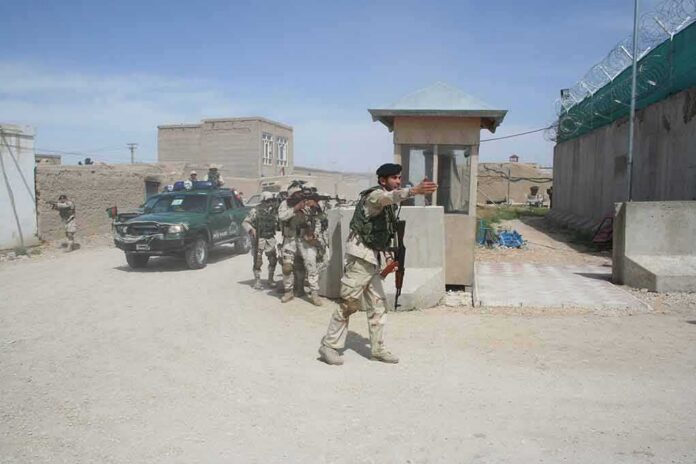
A suicide bomber rammed a checkpoint in Pakistan, and gunmen then attacked the ambulance rushing in to save lives.
Story Snapshot
- Suicide car bombing hit a joint police and customs checkpoint in Dera Ismail Khan.
- At least 12 people died; about 30 to 35 others were wounded, officials said.
- Gunmen fired on an ambulance after the blast, killing rescuers according to local reports.
- Authorities linked the attack pattern to rising militant strikes in Khyber Pakhtunkhwa.
What Happened On The Ground
Police and rescue officials said an explosives-packed vehicle struck the Aman Mela checkpoint in Dera Ismail Khan on Saturday, killing at least 12 people and injuring dozens. The blast tore through the joint police and customs post along a key road near the Afghan border. Moments later, gunmen targeted an ambulance arriving to evacuate the injured, compounding the chaos and risk to first responders. Local outlets reported two rescuers among the dead in the follow-up attack.
Hospitals in the district received a surge of casualties. Doctors treated shrapnel wounds, burns, and blast trauma, common in vehicle-borne explosions. Officials warned the toll could change as the injured were triaged and critical cases stabilized. Early counts often differ across police, rescue agencies, and hospitals in the first hours. Reports clustered between 11 and 12 dead and roughly 30 to 35 wounded, which tracks with how numbers settle after major attacks.
Who Is Blamed And Why It Matters
Police sources and several outlets cited claims from Tehrik-e-Taliban Pakistan, also known as the Pakistani Taliban, asserting responsibility for the strike, a pattern seen across recent checkpoint and police compound attacks in the province. The target choice fits a clear playbook: low-cost, high-impact hits on state symbols along roads that move people and goods. These attacks test defenses, strain morale, and guarantee attention without the militants needing to hold ground.
Security officials in Khyber Pakhtunkhwa have faced a steady rise in militant operations this year, from improvised bombs to vehicle-borne blasts at fixed posts. The Dera Ismail Khan strike shows how attackers chain tactics—a truck bomb to break the site, then small-arms fire on medics—to raise fear and delay rescue. That second punch adds little cost but multiplies pain. It also aims to deter volunteers from answering the next call, which a just society cannot accept.
The Response Challenge For Police And Medics
Checkpoint forces need layered barriers, clear standoff space, and quick-stop wedges to halt trucks before they reach personnel. Many posts in the region sit on narrow roads with nearby homes or shops. That layout leaves little buffer for blast waves and shrapnel. Leaders can improve survival odds with simple steps: move sentry boxes back, add zigzag approaches, use more concrete blocks, and keep medical kits and tourniquets at every lane. These measures save minutes, which save lives.
A suicide bombing at a security checkpoint in Pakistan killed at least 12 people and wounded dozens more in a devastating attack on law enforcement personnel. Emergency responders transported injured victims to hospitals as rescue teams worked to locate survivors in the rubble of… pic.twitter.com/6BmHEKunM1
— Ocean News (@OceanNewsUK) September 27, 2026
Ambulance crews face a different fight. Attackers have learned to target the golden hour. Escorts, radio discipline, and preplanned routes reduce risk, but they cost money and manpower. The moral math remains simple. A nation that lets gunmen scare off medics surrenders its future. American common sense says back the people who run toward danger, not those who stage ambushes on stretchers. Pakistan’s public safety network deserves gear, training, and the political support to use both without fear.
What To Watch Next
Officials will release a final casualty count after families are notified and hospitals report outcomes. Forensics teams will work to trace the explosive mix, vehicle parts, and any serials tied to cross-border supply lines. Security planners will likely shift mobile patrols and reinforce other fixed posts in the district. If responsibility statements hold, authorities may respond with raids in known militant corridors. The key test is whether checkpoints adopt wider stand-off and ambulance protection drills within days, not weeks.
Sources:
pakistantoday.com.pk, aljazeera.com, apnews.com
© partiallypolitics.com 2026. All rights reserved.