The same tech giants that sell our attention every day choked a documentary trailer the moment it brushed politics—then backtracked when called out.
Story Snapshot
- Distributors say YouTube, TikTok, Meta, and X initially refused paid ads for the Musk documentary trailer, citing political content.
- Meta later said the rejection was an error and restored the ads; YouTube cleared the ad after review.
- Reports tie the flags to a brief 2024 rally shot and an election reference inside the trailer.
- The repeat pattern: broad political rules sweep up non-campaign media, then get “fixed” only after public heat.
What got blocked, who did it, and why it matters
Bleecker Street, the distributor of Alex Gibney’s four-hour film “Musk,” tried to buy ad placement for the trailer across major platforms. Representatives say YouTube, TikTok, and Meta declined, and X would not accept the buy either. The companies that responded cited political content rules, an umbrella category that lumps elections, social issues, and public-office imagery together. That ruling hit a film trailer, not a campaign spot, which is why the backlash lit up so fast.
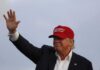
The trailer included a brief shot of a 2024 political rally and an end-card nod to the 2024 election, according to reporting. Such material is normal in documentaries but can trigger automated or policy-based blocks inside ad systems. The Hollywood Reporter said Meta rejected an initial appeal, while YouTube and TikTok were still reviewing at that time. That sequence—auto-flag, distributor appeal, slow reconsideration—tracks with past platform moderation patterns.
Platforms reverse course, claim error, and shift the narrative
After the story spread, Meta said rejecting the ad “was an error” and moved to restore the ads. YouTube said the trailer was always watchable on the site, but its ad submission was temporarily restricted by the system and later cleared after review. These statements matter because they convert a censorship headline into a policy misfire narrative. They also confirm that automated or broadly scoped rules likely triggered the block in the first place.
That whiplash leaves a sour taste. If a studio needs headlines to get a fair shake, everyday creators do not stand a chance. Big platforms regularly tout neutral rules. Yet those rules often hit news, documentaries, and commentary hardest, because they reference real politics without backing a candidate. That gray zone is where art, journalism, and civic speech live—and where blunt policies do the most damage.
The policy trap: politics rules built to avoid risk, not to inform
After the Cambridge Analytica scandal, Meta tightened its definition of “social issues, elections or politics,” treating many issue messages the same as electioneering. Critics in the documentary field have warned for years that this approach sweeps in non-campaign storytelling and deters promotion that informs the public. The Musk trailer flare-up fits the template: a broad rule, a high-profile flag, and a late correction after public pressure and press coverage.
The major platforms—Facebook, YouTube, and X—are all refusing to show ads for the trailer for the upcoming documentary on Elon Musk. So I guess we have to do our part to make sure it is seen. https://t.co/7DLRzHXezk
— Bmlto (@bmlto) September 27, 2026
American conservative values put free expression, transparent rules, and equal treatment first. These platforms have every right to set policies. They also have a duty to apply them with common sense and clear explanations. When a documentary ad gets blocked for a fleeting rally shot while celebrity fluff sails through, the system looks arbitrary. That erodes trust, fuels claims of bias from both sides, and invites lawmakers to write rules the platforms will like even less.
What should change before the next flashpoint
First, separate campaign advocacy from general-interest content in ad rules, with bright lines the public can read in plain English. Second, publish a fast-track review for news and documentary promotions, with named contacts and clear timing. Third, log every political-content rejection in a public archive, with the stated reason, so watchdogs can spot patterns. Last, give advertisers a simple way to edit flagged elements—like a rally shot—without killing the entire buy.
None of that requires a new law. It requires will. Platforms claim to be neutral pipes and fair referees. Prove it with policies that let adults see and judge serious work, even when it makes powerful people uncomfortable. Viewers can handle a four-hour film about the richest man on Earth. Ad systems should be able to handle a sixty-second trailer without tripping over their own rules.
Sources:
feedpress.me, hollywoodreporter.com, yahoo.com
© partiallypolitics.com 2026. All rights reserved.