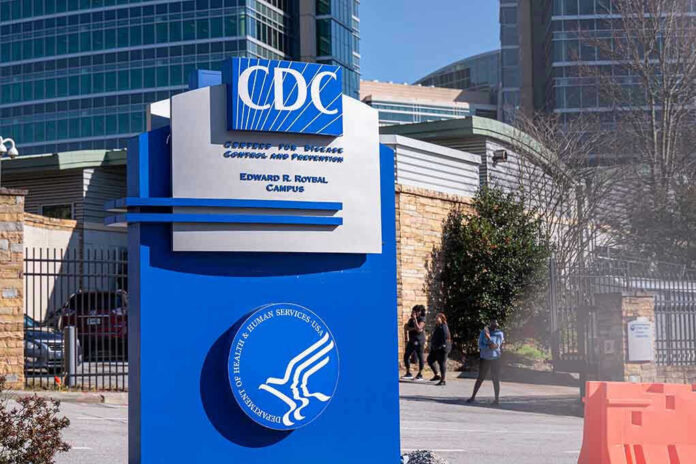
Federal agencies are scrambling to prevent a devastating livestock crisis after the first U.S. human case of travel-associated New World screwworm was confirmed—spotlighting biosecurity risks amid rising international travel and persistent border vulnerabilities.
Story Snapshot
- First human case of New World screwworm in the U.S. confirmed in August 2025, traced to an individual returning from Central America.
- No animal cases detected yet, but the incident has raised urgent concerns for the U.S. livestock industry and rural communities.
- Federal and state agencies have intensified surveillance and border controls to prevent the pest’s establishment and protect the economy.
- Experts emphasize the low risk to the general public but warn of significant economic and biosecurity threats if containment falters.
Human Case Highlights Biosecurity Threats
On August 24, 2025, the U.S. Department of Health and Human Services reported the nation’s first confirmed human infection of travel-associated New World screwworm in a Maryland resident recently returned from an outbreak-affected country. This rare parasitic infestation, caused by fly larvae, was officially confirmed by the CDC weeks earlier. While authorities stress the immediate public health risk remains low, the timing has rattled livestock producers and rural communities, who know firsthand how quickly invasive pests can devastate herds and livelihoods.
The U.S. eradicated the New World screwworm in the 1960s using advanced sterile insect techniques, saving billions in agricultural losses and securing food supply chains. However, the screwworm remains endemic in parts of South America and the Caribbean. Recent outbreaks in Central America have fueled fears of a northward spread, especially as international travel returns to pre-pandemic levels. Federal agencies, including the USDA and CDC, have responded by ramping up border controls and animal health surveillance, but the potential for accidental reintroduction remains a persistent concern for industry leaders and policy makers.
Industry and Government Mobilize to Protect Livestock
America’s cattle ranchers and beef producers are on high alert. The screwworm’s larvae feed on living tissue, putting entire herds at risk if even a single case escapes detection. Recognizing the stakes, the USDA announced on August 15 expanded, multi-agency plans aimed at preventing the pest’s establishment on American soil. The measures include heightened inspection protocols, rapid response teams, and new investments in sterile fly production for targeted eradication campaigns. Industry groups are pressing for transparency and rapid action, warning that any delay could trigger widespread animal suffering, economic losses, and supply disruptions.
No animal cases have been confirmed in the United States as of this report, but the episode has reignited debates over the adequacy of current border security and the need for robust federal-state cooperation. The agricultural sector, already wary from previous outbreaks and border crises, is demanding long-term vigilance and decisive enforcement to protect America’s food supply and rural economies from preventable threats.
Expert Perspectives: Low Public Risk, High Economic Stakes
CDC officials and entomologists agree that human screwworm cases are exceedingly rare in the U.S. and usually linked to travel. They maintain that the risk of sustained human-to-human or animal-to-human transmission is extremely low, provided authorities act swiftly. Nevertheless, the livestock industry and rural communities remain apprehensive, citing the outsized effect a single overlooked infestation can have on market confidence and interstate trade. Some analysts have called for even faster expansion of sterile fly release programs and more aggressive monitoring of animal imports and border crossings.
Public health agencies continue to allocate resources for enhanced surveillance, while political leaders face growing pressure to ensure transparency and prioritize rural economic stability. The episode has become a rallying point for advocates of strong border enforcement and critics of past policies perceived as lax or globalist. As the nation awaits further updates, the consensus among experts is clear: sustained vigilance and coordinated federal response are essential to safeguard both public health and the foundational industries that keep America strong.
Sources:
First US human New World screwworm case detected (Axios)
Human case of New World screwworm confirmed in US (Farm Policy News/Reuters)
USDA announces sweeping plans to protect United States from New World screwworm (USDA Press Release)
New World screwworm parasite United States case (STAT News)
Human case New World screwworm confirmed Maryland (Drovers)