
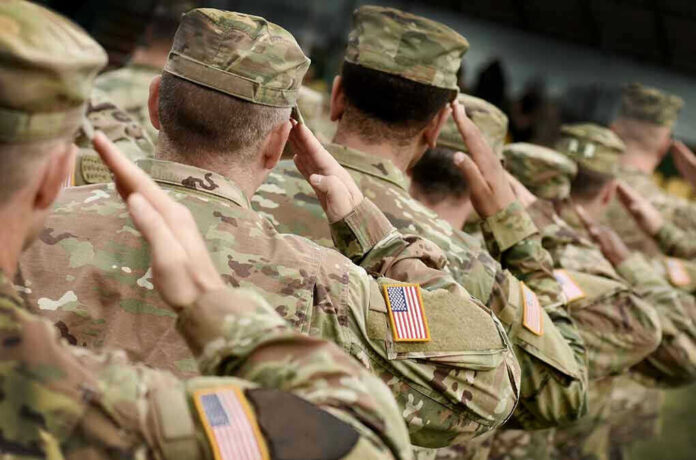
Federal intervention in Chicago’s violent Labor Day weekend signals a growing clash between constitutional authority and local resistance, putting law and order—and conservative values—at the center of America’s urban crisis.
Story Snapshot
- President Trump announces federal troop deployment to Chicago after a surge in gun violence, igniting fierce debate over local versus federal control.
- Illinois’s Democratic leaders, Governor Pritzker and Mayor Johnson, reject the plan, highlighting a deep divide on crime policy and governance.
- Community organizations and violence prevention groups call for local solutions, warning that federal intervention risks escalating tensions.
- The incident underscores ongoing threats to public safety and constitutional principles amid urban unrest.
Unprecedented Violence Triggers Federal Response
Over Labor Day weekend 2025, Chicago experienced a dramatic escalation in gun violence, with at least fifty people shot and multiple fatalities reported across the city. The surge, notably higher than previous years, drew immediate attention from the White House as President Trump declared his intent to deploy federal troops to restore order. This unprecedented move marks a significant moment in the ongoing struggle to protect American communities from lawlessness, raising urgent questions about the effectiveness of local governance and the federal government’s responsibility to uphold public safety standards.
The shootings began on Friday, August 29, and continued through the holiday weekend, culminating in several mass incidents including a high-profile attack near Chicago’s Public Safety Headquarters and another in Bronzeville. Despite an increased police presence, the violence outpaced historic trends, overwhelming local law enforcement and intensifying calls for decisive action. While some Republican lawmakers and residents voiced support for federal involvement to swiftly address the crisis, local leaders pushed back, arguing that troop deployment could further destabilize affected neighborhoods and erode trust between communities and authorities.
Federal-State Tensions Erupt Over Urban Crime Policy
President Trump’s announcement of federal intervention was met with immediate resistance from Illinois Governor JB Pritzker and Chicago Mayor Brandon Johnson. Both leaders publicly rejected the plan, with Pritzker labeling Trump’s remarks “unhinged” and Johnson insisting that crime was trending downward compared to previous years. The conflict exposes a fundamental debate over jurisdiction: while the federal government claims the authority to intervene in extraordinary circumstances, state and city officials defend their right to determine local policing strategies. This power struggle is emblematic of broader tensions between conservative demands for order and progressive calls for community-based solutions.
Community organizations such as Violence Interruptors have emerged as key voices in the debate, advocating for mentorship programs and social support rather than military-style intervention. Their leaders warn that bringing federal troops into Chicago risks aggravating existing mistrust and could lead to further confrontation between residents and authorities. Nevertheless, the Illinois Freedom Caucus and other Republican groups continue to press for National Guard deployment, arguing that the scale of violence demands an immediate, forceful response to safeguard families and uphold constitutional protections.
Impact and Implications for Conservative Values
The aftermath of Chicago’s Labor Day crisis reverberates far beyond the city limits, highlighting core issues that resonate deeply with conservative Americans. The spike in violence and the subsequent political conflict underscore ongoing threats to law and order, the sanctity of the family, and the right to self-defense. Many in the conservative base see federal action as a necessary step to restore accountability and combat policies perceived as weakening traditional values. The resistance from Democratic officials, meanwhile, is seen by critics as symptomatic of broader failures in progressive urban governance that have allowed disorder to flourish.
Democrat leadership is so screwed up supporting criminal activity and illegals, they care nothing for the regular folks, look at DC and the changes.
Trump to Chicago Dems: Federal Troops Are Going in…But I'm Not Saying When https://t.co/7MYVPNiTdP
— Southern Patriot (@DietMtDew59) September 3, 2025
In the short term, residents of Chicago’s hardest-hit neighborhoods face heightened insecurity, economic disruption, and trauma. Long-term consequences could include lasting shifts in crime prevention strategies, increased scrutiny of local leadership, and a reassertion of federal authority in policing. The debate also raises critical questions about constitutional limits and the proper balance of power between Washington and local governments—an issue with profound implications for gun rights, individual liberty, and fiscal responsibility. As investigations continue and political pressures mount, the nation watches to see whether federal intervention will mark a turning point in the fight against urban violence or deepen the divide over America’s future direction.
Sources:
8 killed and 50 wounded in Chicago in dozens of shootings over Labor Day weekend
Chicago shootings Labor Day weekend 2025
Expert: Violent Chicago Labor Day weekend, National Guard deployment
58 shot weekend Chicago, governor rejects Trump’s threat