Venezuela’s massive military mobilization raises alarm about U.S. interventionism and border security threats.
Story Highlights
- Venezuela deploys 15,000 troops to Colombian border amid U.S. military presence.
- Maduro warns of alleged U.S. invasion, escalating regional tensions.
- U.S. actions framed as drug trafficking countermeasures.
- Potential diplomatic crisis as both nations engage in military posturing.
Venezuela’s Strategic Military Move
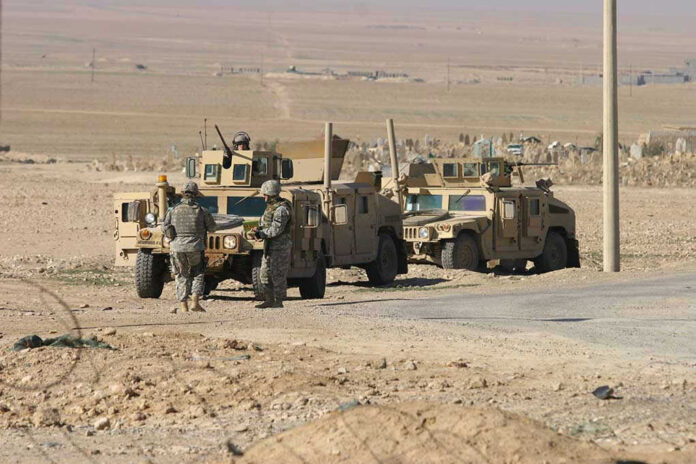
On August 25, 2025, Venezuela announced the deployment of 15,000 troops to its border with Colombia. This move, ordered by President Nicolás Maduro, is officially aimed at combating narco-terrorist groups. However, it coincides with the arrival of U.S. warships off the Venezuelan coast, amplifying fears of foreign intervention. Maduro accuses the U.S. of plotting regime change, framing the troop mobilization as a defensive measure against potential aggression.
The deployment marks a significant escalation in military posturing between Venezuela and the U.S., with Defense Minister Vladimir Padrino López confirming additional naval operations in the Caribbean. The Venezuelan armed forces have commenced patrols in territorial waters and along the Colombian border, signaling a heightened state of alert. This move is set against a backdrop of long-standing tensions and mutual accusations of drug trafficking and interventionism between Caracas and Washington.
Historical Tensions and Current Dynamics
Venezuela’s border with Colombia has historically been a hotspot for illicit activities, with frequent incursions by armed groups. U.S.-Venezuela relations remain strained, with the U.S. accusing Maduro’s government of authoritarian practices and drug trafficking. The U.S. recently increased its military presence in the region, deploying guided-missile destroyers and planning to send additional Marines, officially to combat drug cartels. Meanwhile, Venezuela has responded by rallying civilian militias and increasing military readiness.
These developments occur in a region already fraught with violence and instability. The Zulia and Táchira states, where the troops are deployed, are economically and strategically vital, often plagued by cross-border criminal activity. The increased militarization not only threatens to strain local resources but also raises the specter of a wider conflict, potentially drawing in Colombia, a U.S. ally.
Impact and Reactions
The short-term implications of Venezuela’s troop deployment include a potential deterrence of cross-border criminal activity but also an increased risk of conflict with the U.S. and Colombia. Border communities face heightened insecurity, while the region could experience further destabilization. The long-term effects might strain Venezuela’s resources and exacerbate existing humanitarian issues. Politically, Maduro may leverage the situation to galvanize nationalist sentiment and consolidate power domestically.
Internationally, the situation could lead to further diplomatic isolation for Venezuela, and possibly more sanctions. The U.S.’s increased bounty on Maduro underscores the tensions, while its military maneuvers suggest a robust stance against perceived threats. As both nations continue to engage in strategic posturing, the risk of miscalculation remains high, potentially leading to unintended escalations.