A months-long smell turned into a scene that Chicago families and regulators will not forget soon.
Quick Take
- Authorities found more than 50 bodies at South Chicago Chapel in various states of decomposition.
- State regulators suspended a funeral director’s license after citing unsafe storage, rodent infestation, and maggots.
- Chicago police said the case began as part of a licensing investigation, not a routine complaint.
- Neighbors said the foul odor had been present for months, which gave the case an ugly warning sign.
What Authorities Say They Found
Cook County medical examiners and city officials said investigators found more than 50 bodies at South Chicago Chapel on Chicago’s Southeast Side. Officials said the remains were in various states of decomposition, and the medical examiner’s office was sorting through records to identify the dead and notify families, a process that could take several days.
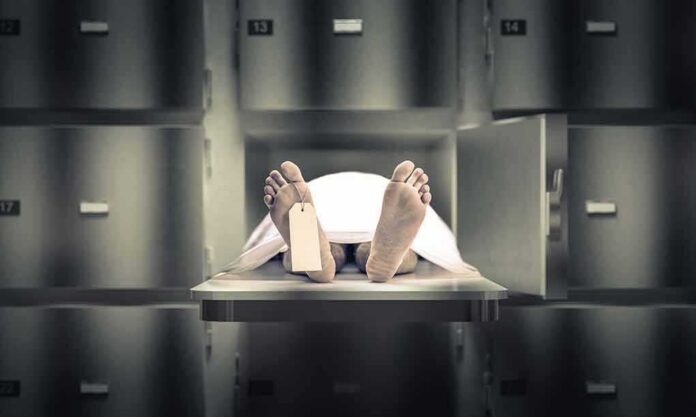
The reported details are striking not just because of the body count, but because of where the remains were kept. Reporting said investigators found bodies in areas such as the basement, attached garage, and other non-refrigerated spaces, which points to storage that falls far outside normal funeral-home practice.
Why Regulators Stepped In
The public record shows this was not treated as a simple sanitation complaint. Chicago police said they were assisting the Illinois Department of Financial and Professional Regulation during a licensing investigation when they entered the property, and state regulators then suspended a funeral director’s license.
According to CNN’s report of the regulatory record, officials described the situation as a threat to public safety and said multiple bodies had been stored in a non-refrigerated area under appalling conditions, including rodent infestation and maggot infestation. That language matters. It shows regulators were not just unhappy with paperwork. They believed the conditions themselves endangered the public.
The Smell That Would Not Go Away
Neighbors said they had smelled something foul for months, and one resident told NBC Chicago the odor was “rotten” and unbearable. That kind of detail is easy to dismiss until it is paired with what investigators later found. In this case, the smell reads less like a passing nuisance and more like a warning that something inside the building had gone very wrong.
Families who used South Chicago Chapel are demanding answers after authorities reported the discovery of 56 bodies that were allegedly stored improperly at the funeral home. https://t.co/Zapbckqo50
— ABC 7 Chicago (@ABC7Chicago) August 8, 2026
The AP’s coverage added another important layer: community members said they had complained repeatedly while the odor continued. That does not by itself prove who received which complaint on which date, but it does strengthen the sense that this was a slow-building crisis, not a sudden accident.
A Troubling History Around the Same Operator
The current case also landed with extra force because of the operator’s reported history. AP and CBS Chicago reported that the same operator previously ran Heights Crematory in Chicago Heights, which was shut down after bodies were found stored in trailers. That earlier episode does not decide this case, but it explains why many readers see this as part of a pattern rather than an isolated failure.
That pattern matters in plain common-sense terms. When a business tied to the care of the dead has already faced serious handling problems, the public has reason to look harder at every new claim. Conservative instincts about order, responsibility, and basic respect for the dead all point in the same direction here: a death-care business should not need the public to smell a problem before it acts.
What Still Remains Unclear
Several key questions are still open. The public materials do not fully show who filed each complaint, what regulators saw before the discovery, or how long the bodies had been there. The count also varied across reports, with some outlets saying more than 50, others 57, and others close to 60. The core finding, however, did not change.
No public operator rebuttal in the supplied record directly explains the odor, the decomposed condition of the bodies, or the regulatory suspension. That silence does not prove guilt by itself, but it leaves the official account standing unchallenged in the public view. Families now face the hardest part: identifying the dead, learning what happened, and waiting for answers that should never have taken this long.
Sources:
youtube.com, facebook.com, nbcchicago.com, wgntv.com, cnn.com, chicagotribune.com, instagram.com, abc7chicago.com
© partiallypolitics.com 2026. All rights reserved.