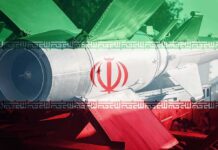
Black smoke near Riyadh’s airport met a Houthi boast of “sensitive site” hits, while Saudi defenses said they swatted the threat from the sky.
At a Glance
- Houthis claimed missiles and drones struck targets in Riyadh and Yanbu.
- Saudi-led coalition said it intercepted a ballistic missile and foiled other attacks.
- Smoke rose near Riyadh’s main airport around the time of the claims.
- No confirmed damage to named sites; verification remains unsettled.
What Each Side Says, And What We Actually Saw
Yemen’s Houthi spokesman said the group hit “sensitive sites” in Riyadh and aimed at Saudi Aramco facilities in Yanbu using missiles and drones. The Saudi-led coalition answered that air defenses intercepted a ballistic missile headed toward the capital and blocked other attacks across Yanbu, Taif, Bisha, and Farasan. Reporters and residents saw flames and a thick smoke plume near King Khalid International Airport hours before the Houthi video, which kept tensions high and facts contested.
Saudi officials did not confirm successful strikes on the specific sites the Houthis named. Outlets that carried the claims also noted the lack of proof that those targets were hit. That gap is not new in this conflict; early hours often show claims versus counters, with images of smoke but little firm detail on impact. One outlet emphasized the claims were still not independently verified as of publication.
Riyadh, Yanbu, And The Playbook Of Escalation
Riyadh matters because it is the political heart of Saudi Arabia. Yanbu matters because it ships oil and refined products to global markets. The Houthi message aimed at both power and pocketbook. The coalition’s message aimed at deterrence: our defenses work, your shots miss. The visual of airport-area smoke gave the Houthi story oxygen. The coalition’s intercept report gave Saudi citizens a measure of calm and framed the event as a thwarted attack.
This pattern tracks earlier cross-border flare-ups. First come alerts and sirens, then dueling statements, then a slow sift for proof. Major outlets recorded the same rhythm here: a Houthi claim of precision hits, a Saudi account of successful intercepts, and news of airport-adjacent smoke that could be many things and needs time to confirm. From a risk lens, the combination of missile launches, airport-area visuals, and energy-site mentions is enough to spook markets even before facts harden.
What To Watch Next: Air Defenses, Energy Flows, And Red Lines
Saudi air defense performance will shape the next move. If intercept rates hold and debris causes little harm, Riyadh will project control and press partners to keep pressure on the Houthis’ supply lines. If the Houthis land a clear hit on an energy node, shipping prices and insurance costs could jump. The government line already says defenses destroyed the missile over Riyadh without damage, which supports a status-quo posture and buys time for quiet fixes and diplomacy.
Houthis Claim Strikes On Riyadh
🗞️ Capital air alerts then all-clear
🗞️ Smoke seen near KKIA fuel area
🗞️ Group also claims Yanbu Aramco hitAlerts in Riyadh. Claims still flying. pic.twitter.com/Tmhwch2O9n
— The Objective Journal (@theobjectivej) September 20, 2026
For American conservatives, two filters matter. First, credibility: named officials on the Saudi side put their claims on the record, and major outlets anchored the smoke report in what witnesses saw, not rumor. Second, deterrence: missile and drone threats answered by firm air defense and targeted pressure reflect peace through strength. The Houthis want headlines and leverage. Responsible states want facts, steady energy flows, and fewer chances for a wider war. That is the line to hold.
Sources:
youtube.com, dw.com, theguardian.com, middleeasteye.net
© partiallypolitics.com 2026. All rights reserved.