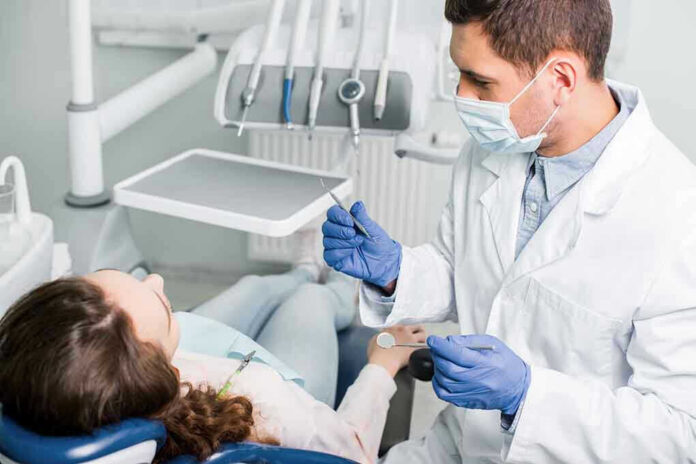
A Florida woman’s illegal dental practice using superglue threatens public health and highlights regulatory failures.
Story Snapshot
- Florida woman arrested for unlicensed dental work, causing severe health issues.
- Victims suffer from infections and permanent dental damage.
- Case underscores the dangers of unlicensed medical practices.
Illegal Dental Practices and Public Health Risks
The arrest of a Florida woman for practicing dentistry without a license has brought significant attention to the dangers posed by unlicensed dental practitioners. The accused allegedly used superglue on her victims’ teeth, resulting in severe infections and permanent damage. This incident is part of a broader trend in Florida, where over 209 complaints about unauthorized dental activities have been recorded in the past four years.
Florida’s Department of Health has been actively working to combat these illegal practices, which often occur in non-clinical settings like homes or warehouses. These operations target vulnerable individuals seeking affordable dental care but lead to significant health risks due to lack of proper hygiene and professional oversight.
Legal and Regulatory Framework
Florida law classifies practicing dentistry without a license as a third-degree felony, with severe penalties including imprisonment and fines. The Florida Department of Health and law enforcement agencies are responsible for investigating such cases and enforcing regulations to protect public health.
Despite stringent laws, unlicensed dental practices continue to thrive, driven by the demand for low-cost services among uninsured or underinsured populations. This case exemplifies the urgent need for public awareness and education to prevent similar incidents.
Impact on Victims and the Community
The immediate impact of these illegal practices on victims is significant, with many suffering from intense pain, infections, and the necessity for corrective dental procedures. In the long term, victims may face permanent dental damage, psychological trauma, and financial burdens due to medical expenses.
The broader community faces potential risks from these operations, which undermine trust in legitimate dental professionals. Increased healthcare costs, social stigma, and fear surrounding dental care are additional consequences that affect both individuals and the healthcare system.
Sources:
Florida Department of Health: Unlicensed Activity
Leppard Law: Practicing Dentistry Without a License