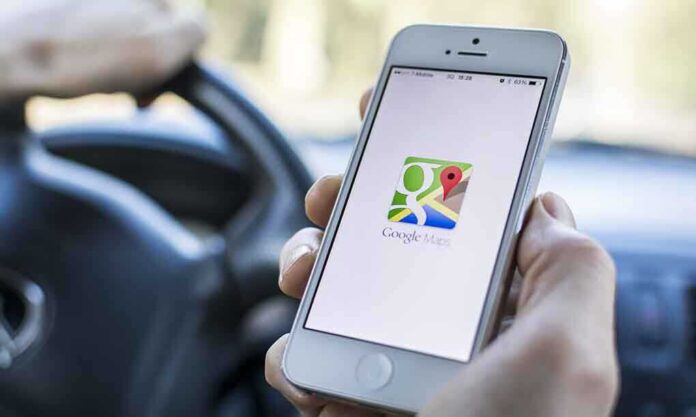
Your smartphone tracks you in more ways than you’d expect, raising privacy concerns among users unaware of hidden location logs.
Story Highlights
- Smartphones track location data using more than just GPS.
- Non-GPS tracking methods include Wi-Fi, Bluetooth, and sensors.
- Privacy controls exist but have technical limitations.
- Regulatory scrutiny of digital privacy is increasing.
Hidden Mechanisms of Smartphone Tracking
Modern smartphones are equipped with a multitude of sensors and connectivity options that enable tracking beyond the visible GPS icon. Devices frequently log and share user location data via Wi-Fi, Bluetooth, cellular networks, and sensors like gyroscopes and barometers. This multifaceted tracking capability often occurs without explicit user consent or awareness, presenting significant privacy implications.
&pp=0gcJCa0JAYcqIYzv
Despite increasing awareness, many users remain unaware of the extent to which their location data is collected. Efforts to disable GPS are often insufficient, as other sensors can still determine a device’s location. This pervasive tracking raises concerns among privacy advocates and has prompted calls for stronger safeguards and more transparent user controls.
Privacy Controls and User Limitations
Both Apple and Google have introduced privacy features to help users manage their location data. For example, iOS includes a “Significant Locations” feature that can be cleared, and Android offers “Location History” settings. However, these measures are not foolproof. Some logs, particularly those involving Wi-Fi and sensor data, may persist or be inaccessible to end users.
Regulators and security researchers continue to scrutinize these practices, pushing for improvements in transparency and user control. The European Union’s GDPR and California’s CCPA have been influential in mandating greater accountability from tech companies, but loopholes remain. Users are encouraged to stay informed and regularly review their privacy settings.
Implications for Privacy and Regulation
The implications of hidden smartphone tracking are far-reaching. In the short term, increased public awareness has led to more users taking action to clear location logs and adjust privacy settings. Long-term effects could include regulatory changes and pressure on tech companies to enhance transparency and controls.
The demand for privacy-centric devices and services is growing, alongside the rise of privacy advocacy groups and security research. As digital privacy concerns escalate, these developments could significantly alter the landscape of location-based services and advertising.
Overall, the balance between user privacy and the business models of tech companies reliant on location data continues to be a contentious issue. While some argue that tracking is essential for necessary services like emergency response, others highlight the risks to civil liberties and personal safety, particularly for vulnerable populations.
Sources:
Princeton Engineering (PinMe research)
Ask.com (tracking methods overview)
FindMyKids.org (user guides for clearing logs)
Cybernews (tracking methods and privacy tips)