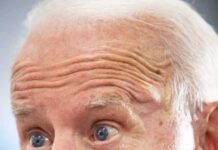
A sitting U.S. congressman spent four months hospitalized for depression, collected his full salary, missed over 140 votes — and then returned to cast a vote against paid sick leave for American workers.
Story Snapshot
- Rep. Tom Kean Jr. (R-NJ) was hospitalized for depression for roughly four months in 2026, missing more than 140 House votes while receiving full pay.
- Kean revealed his condition in a House floor speech in June 2026, saying he had stayed quiet because he is “a private person by nature.”
- Critics quickly pointed out that Kean spent nearly two decades voting against paid leave legislation before and after his hospitalization.
- The core tension is real: his doctors called hospitalization the “quickest path to recovery,” yet his voting record consistently denies similar protections to working Americans.
Four Months Gone, Zero Explanation — Until Now
For months, Kean’s office said only that he was dealing with a “personal medical issue” and would be transparent upon his return. House Republican leaders said nothing more. Constituents and the press were left guessing. Then, on June 30, 2026, Kean stood on the House floor and disclosed he had been hospitalized for severe depression. He described the illness as something that “manifests physically and emotionally,” and said that unless you have lived through it, “it’s challenging to fully grasp the intensity of this condition.”
"Sick Leave for Me, Not for Thee"
GOP Rep. Tom Kean Jr. took four months off from Congress, fully paid, to treat depression. Time and again, he’s voted against paid sick leave legislation.https://t.co/XRLe8gRDm1 https://t.co/VPvY8eXXz3
— 🌻 Liza (@YesQuake) July 1, 2026
His medical team told him to stay hospitalized. They called it the “quickest path to recovery.” That detail matters. It is not a vague excuse. It is a clinical judgment that extended absence was medically necessary. Kean followed that advice. He stayed. He recovered. And he came back to Congress.
Nearly Two Decades of Voting the Other Way
Here is where the story gets harder to defend. Kean did not just vote against paid leave once. According to reporting by Mother Jones and The Lever, he spent nearly two decades opposing paid leave legislation. That includes a 2008 state parental and family leave bill and a 2018 New Jersey law that required employers to give workers 40 hours of paid sick time per year. He voted no on both while serving in the New Jersey State Senate.
Those votes were not accidents or close calls. They reflect a consistent, long-held policy position. Kean’s office has not issued any statement explaining how his personal experience with depression — and the medical necessity of extended paid absence — squares with that record. That silence is telling, and fair-minded readers should notice it.
The Salary Question Nobody in Leadership Is Answering
While Kean was hospitalized, his congressional salary kept coming. That is not illegal. Members of Congress have no formal sick leave system that docks pay for missed votes. But it does raise a pointed question: Kean personally benefited from a system where serious illness did not cost him his income. Millions of American workers have no such safety net. Many of them lose pay — or their jobs — when they get sick. Kean voted repeatedly to keep it that way.
Republican Rep. Tom Kean Jr. took four months off from Congress, fully paid, to treat depression. Time and again, he’s voted against paid sick leave legislation.
What a goddamn hypocrite. 😡https://t.co/7LT0eJ8ZR8
— Jon Cooper 🇺🇸 (@joncoopertweets) July 1, 2026
House Republican leaders kept the public in the dark about Kean’s condition for the entire duration of his absence. That institutional silence made things worse. It fed speculation, frustrated constituents, and delayed any honest conversation about what was actually happening. Some New Jersey residents expressed that frustration plainly online, asking why Kean did not simply tell people what was going on. Privacy is a reasonable value. But elected officials carry a public trust that complicates purely private decisions about transparency.
What the Hypocrisy Charge Gets Right and Where It Falls Short
The hypocrisy label fits in one important way: Kean’s personal experience proved exactly why paid medical leave matters. His doctors said so. He lived it. Yet his voting record shows no movement toward protecting that same option for workers who lack his salary and benefits. That gap is real, documented, and worth debating seriously.
Where the charge gets murkier is in the specifics. The research does not confirm a single “paid sick leave” vote cast on the day Kean returned from the hospital. His long-term opposition is well documented, but the dramatic framing — that he walked off the hospital ward and immediately voted against sick leave — appears to compress a more complicated timeline. Critics should be precise. Sloppy framing hands Kean an easy way to dismiss a legitimate critique. The underlying facts are damning enough without embellishment. A man who needed months of paid medical recovery to survive a serious illness has spent his career making sure fewer Americans can do the same. That is the story. It stands on its own.
Sources:
instagram.com, bbc.com, motherjones.com, facebook.com, mediaite.com
© partiallypolitics.com 2026. All rights reserved.