Texas officers say a 3 a.m. arrest stopped a planned violent attack on the State Capitol set for the next day.
Story Snapshot
- Texas Department of Public Safety said a “credible” Capitol attack for Oct. 1 was stopped.
- Authorities arrested 40-year-old Benny Caldera Jr. in Converse and booked him on a felony terroristic-threat charge.
- A Senate notice called him the “main suspect” and mentioned possible co-conspirators.
- Bond was set at $75,000; the Federal Bureau of Investigation (FBI) then took him into federal custody.
Overnight tip, 3 a.m. raid, and a target named
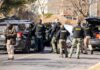
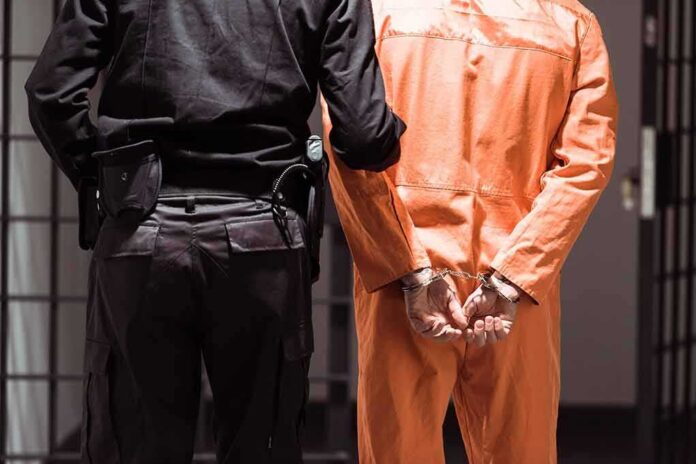
Texas Department of Public Safety leaders said a tip came in Tuesday evening about a planned violent attack on the Texas State Capitol for Thursday. Within hours, Texas Department of Public Safety criminal investigators, a special weapons and tactics team, the Federal Bureau of Investigation, and local officers moved on a home in Converse, near San Antonio. They arrested 40-year-old Benny Caldera Jr. around 3 a.m. Wednesday and booked him into the Bexar County Jail on a felony terroristic-threat charge against a public servant, according to state and local records and agency statements.
Officials framed the timeline in blunt terms: a warning at night, validation by multiple agencies, and an arrest before sunrise. The target was the Capitol, with the date spelled out as Oct. 1 in internal notices. The urgency matched the location. State capitols sit at the center of government, and Texas treats threats to that ground as zero-fail missions. FBI Director Kash Patel said the arrest came within hours of the initial tip, underscoring the speed of the response.
The charge, the bond, and the federal handoff
Booking records and news reports say Caldera faced a felony count for a terroristic threat against a public servant under Texas law. A magistrate set bond at $75,000, which Caldera posted the same day, according to reports that cited county court records. That bond signaled a standard criminal process moving forward, not a simple administrative hold. Later, the FBI took Caldera into federal custody at the Bexar County Jail, reflecting the often-seamless handoff when a state case overlaps with potential federal interest in threats to government institutions.
One sentence in the reporting stood out. Court documents, as described by outlets citing the paperwork, say Caldera told a friend, “I am going to the Capitol and I am going to shoot it up.” Reporters also noted that the friend described prior verbal threats to attack the building. That quote, if tested and admitted in court, speaks to intent, target selection, and timing, the core questions in any threat-to-government case.
Inside the Senate warning and the co-conspirator question
A notice to senators from Secretary of the Senate Patsy Spaw described an attack planned for Oct. 1 and called the arrested person the “main suspect.” The message also mentioned suspected co-conspirators. That language told lawmakers and staff two things: expect heightened security now, and expect more investigative steps to find anyone else involved. Public reports have not identified any additional suspects by name as of those initial accounts, but the multi-agency posture suggests active follow-up on that lead.
🇺🇸 A Texas man has been arrested over an alleged plot to carry out a violent attack on the state Capitol.
Authorities identified the suspect as 40-year-old Benny Caldera Jr. The FBI helped with the arrest, and Texas officials have increased security while investigators look into… pic.twitter.com/DMSPANFAsl
— NewsForce (@Newsforce) October 1, 2026
Texas law enforcement used clear terms that draw a line: credible information, planned violent attack, and a swift arrest to stop it. That language is familiar to anyone who tracks Capitol threat cases across the country. Agencies move fast when a target is sensitive and the clock is short. That is common sense policing. It also aligns with conservative values on law and order: protect the public, protect institutions, and let the courts weigh the evidence with no excuses for delay.
Why the process matters as much as the arrest
Speed stopped a possible attack window. Process now decides the case. Prosecutors must show that the statements and any other evidence meet the legal bar for a terroristic threat against a public servant. Defense counsel can test the source of the tip, the context of the alleged quote, and any digital or travel records tied to planning. If federal charges follow, expect filings that map the timeline from tip, to threat validation, to the 3 a.m. entry, and then to the FBI custody shift.
Two things are clear already. First, interagency work functioned as designed. Texas Department of Public Safety called in partners, confirmed the risk, and used a special weapons and tactics team when officers believed urgency demanded it. Second, the justice system moved on schedule. A judge set a bond, the suspect posted it, and federal agents asserted custody under their authority. That is how a free society handles danger: fast when safety is at stake, fair when liberty is at stake.
What Texans should watch next
Watch for public charging documents that detail communications, the role of any “co-conspirators,” and how officers tied words to an actual plan. Look for whether prosecutors pursue state charges only or add federal counts that cover threats to government property or officials. Track any bond changes, including conditions like no firearms, movement limits, or mental health evaluations, which can show how judges gauge risk. Most of all, expect visible security at the Capitol when warnings name a date and a place.
Sources:
abc7news.com, kvue.com, wjla.com, click2houston.com
© partiallypolitics.com 2026. All rights reserved.