Two commercial ships sank near the Strait of Hormuz after projectile strikes, scattering containers and wreckage across a vital sea lane.
At a Glance
- Reuters reported two separate ship sinkings near Hormuz after projectile hits.
- A Singapore-flagged container ship, GFS Pride, caught fire and went down.
- Footage shows floating debris and containers off Oman’s coast.
- The chokepoint moves about one-fifth of global oil and much liquefied natural gas.
What Happened In The Water
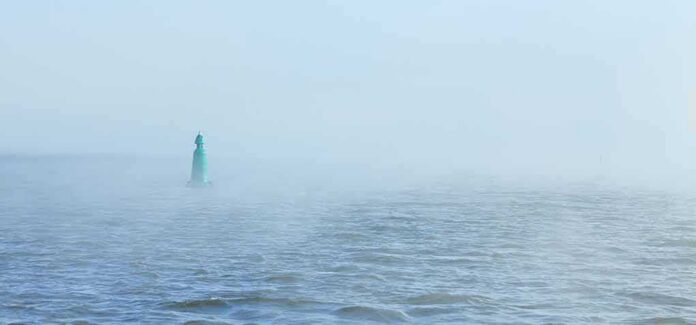
Maritime security sources told Reuters that two vessels sank near the Strait of Hormuz within a day after separate projectile strikes. The Singapore-flagged container ship GFS Pride sustained damage, burned, and later sank. A dry bulk carrier also went down after a different strike, according to the same reporting. Debris and containers later appeared on the surface, as rescue and survey craft moved through the area. Early reports said crews were rescued, and authorities began routing ships away from danger.
Iran’s state outlets said the Islamic Revolutionary Guard Corps Navy struck a Togo-flagged tanker called Trend after it tried an “illegal” passage, forcing it to stop and catch fire. Gulf and regional media repeated the claim and described a disabled ship in the strait. These statements fit a recent pattern of Iran signaling control and risk inside the chokepoint. The separate Reuters account tied the sinkings to unidentified projectiles and did not assign blame.
Why This Waterway Matters
The Strait of Hormuz is the narrow spigot for global energy. About one-fifth of world oil flows through this channel, along with a major share of liquefied natural gas. When traffic slows here, fuel and freight costs jump, and those costs hit everyday goods months later. International trade agencies warn that shocks at Hormuz ripple into shipping insurance, sailor pay, and final prices for consumers worldwide. Every incident in these waters, even short of war, can rock markets and unsettle supply chains.
Shippers respond fast to risk. War risk insurance can spike several times higher in days, as underwriters reprice danger. Charterers demand premiums to send ships, crews ask for hazard pay, and cargo owners weigh delays against re-routing. Analysts have tracked product flows that dipped this month amid new strikes and warnings. When danger rises, fewer ships move, and tight markets get tighter. That pressure shows up at the pump, at the store, and in factory input costs in the following quarters.
Signals, Responsibility, And Real-World Costs
Iran-linked statements frame these actions as policing the waterway, while international reporting frames them as attacks on commercial traffic. The facts that matter for consumers and governments are simple: ships were hit, two sank, and debris now drifts across a corridor that powers the world. Common sense says free navigation is not a luxury; it is the backbone of global trade. American conservative values stress peace through strength and the rule of law at sea. Weakness and mixed messages invite more risk.
Past Gulf crises show how fast mines, missiles, and seizures turn a shipping lane into a battlefield. The current reporting describes “unknown” projectiles and separate events, which implies varied threats and tactics. That uncertainty makes routing and defense harder. It also raises the odds of miscalculation. Regional commanders will now scan for small boats, coastal launchers, and air threats at once. Each new escort or patrol increases safety for one ship but tightens the space for everyone else.
What To Watch Next
Watch for rerouting and speed reductions by major carriers. Look for temporary convoys and more naval escorts through the traffic lanes. Track insurance quotes and day rates for tankers and container ships. Early market notes already flagged lower product flows through the strait in early October as strikes rose. If that trend holds, expect upward pressure on energy prices. If another high-profile hit occurs, expect a sharper jump, a pullback by risk-averse fleets, and longer detours around Africa.
Eyewitness footage shows containers and debris floating at sea off the coast of Oman after reports that a container ship sank near the Strait of Hormuz after being hit by a projectile. pic.twitter.com/CbmT8PxxxE
— #Anonymous (@TheStripesGirl) October 15, 2026
Policy responses will shape the next chapter. Clear, credible security commitments deter more hits; muddled half-steps do not. Private owners will take protection if offered and charge more if not. If authorities remove threats quickly, traffic can recover and costs ease. If attacks continue, the world could relive a slow-motion shock, with higher fuel, costlier goods, and thinner margins for families and small businesses. The path is not abstract. It runs through a narrow strip of water with wreckage floating on it today.
Sources:
youtube.com, internazionale.it, en.irna.ir, trend.az, rferl.org, x.com
© partiallypolitics.com 2026. All rights reserved.